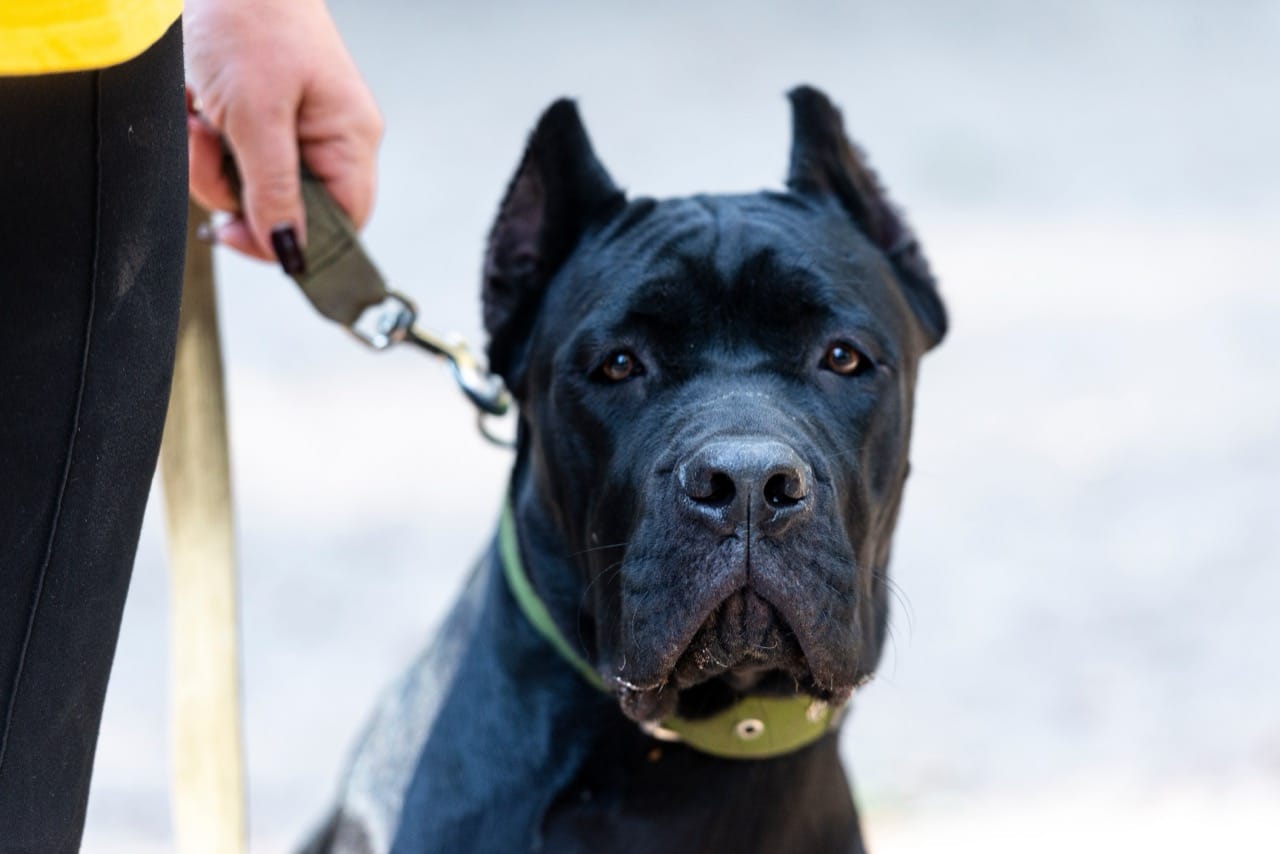
Spot the Real Pit Bull Terrier
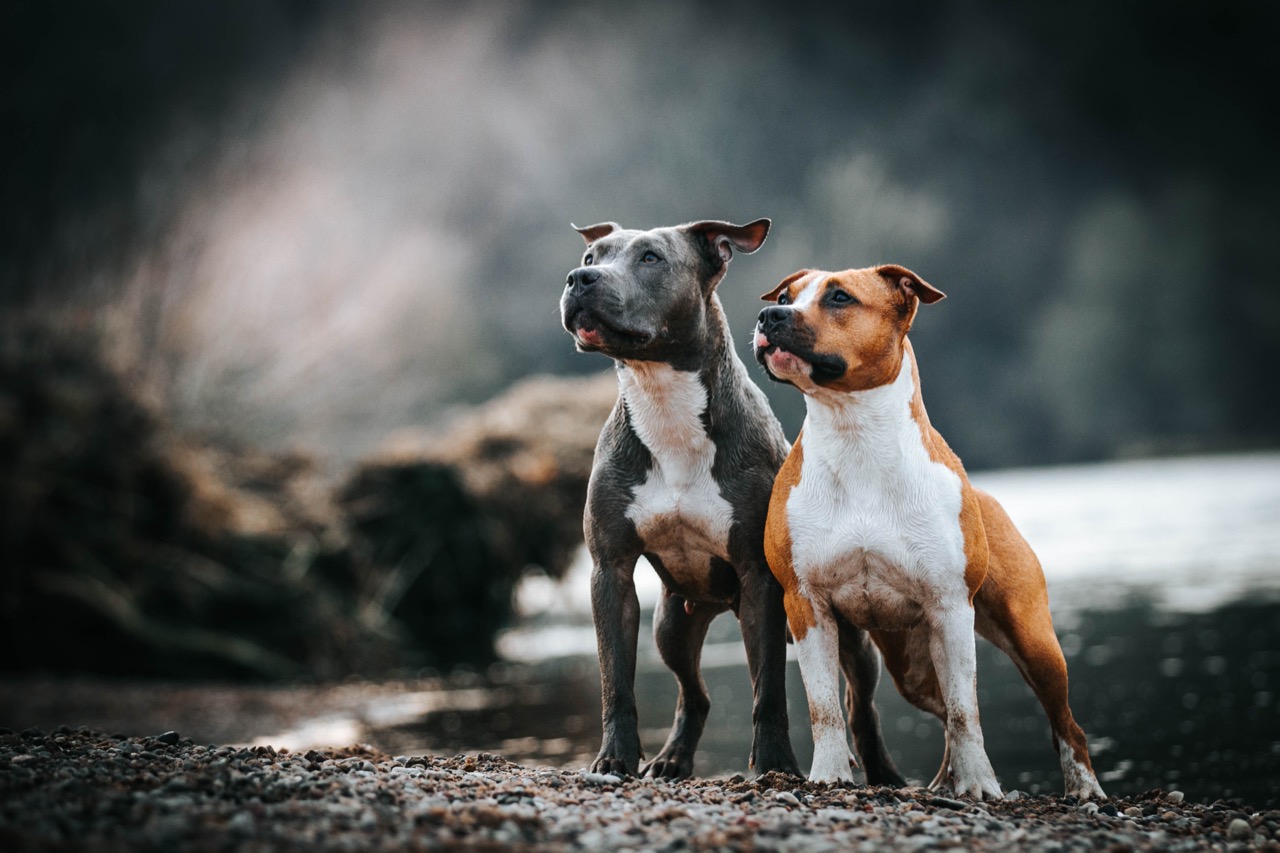
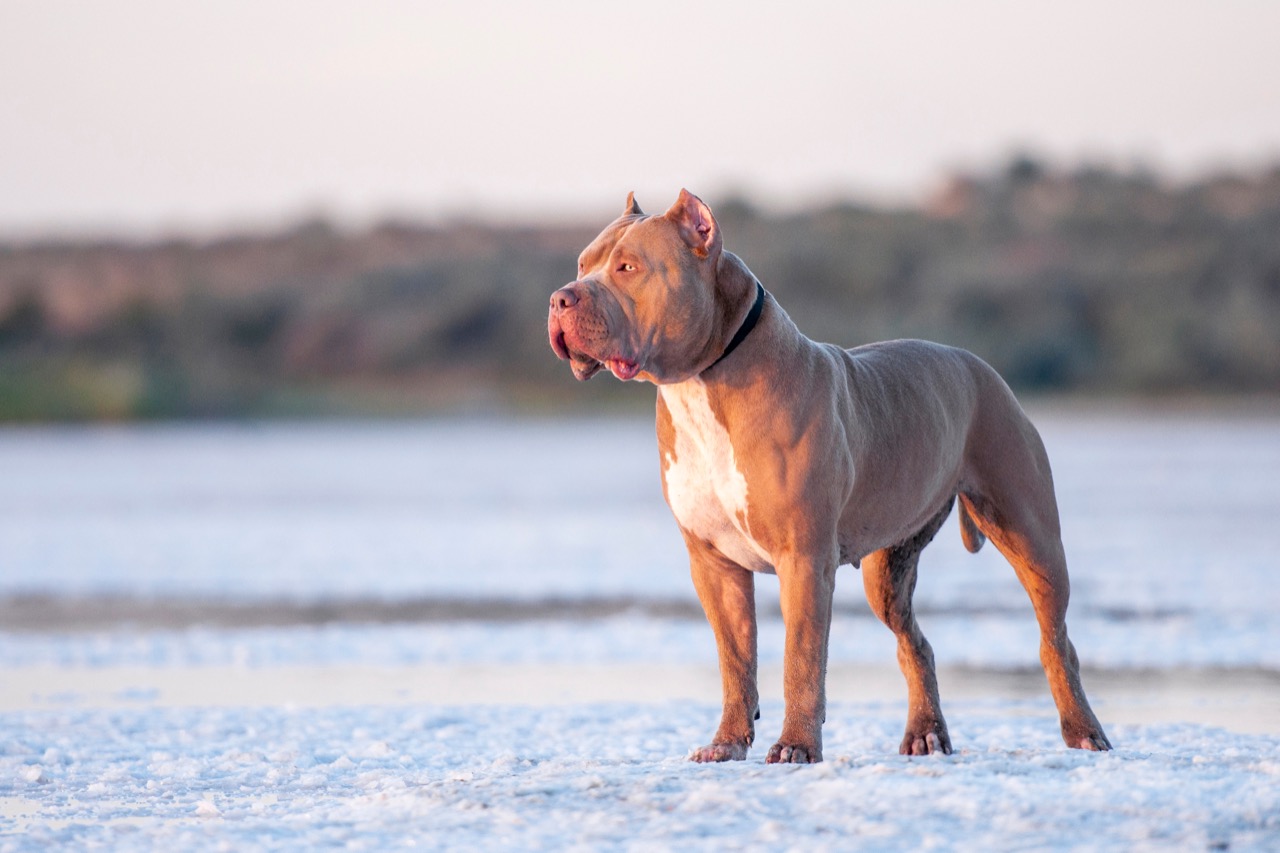

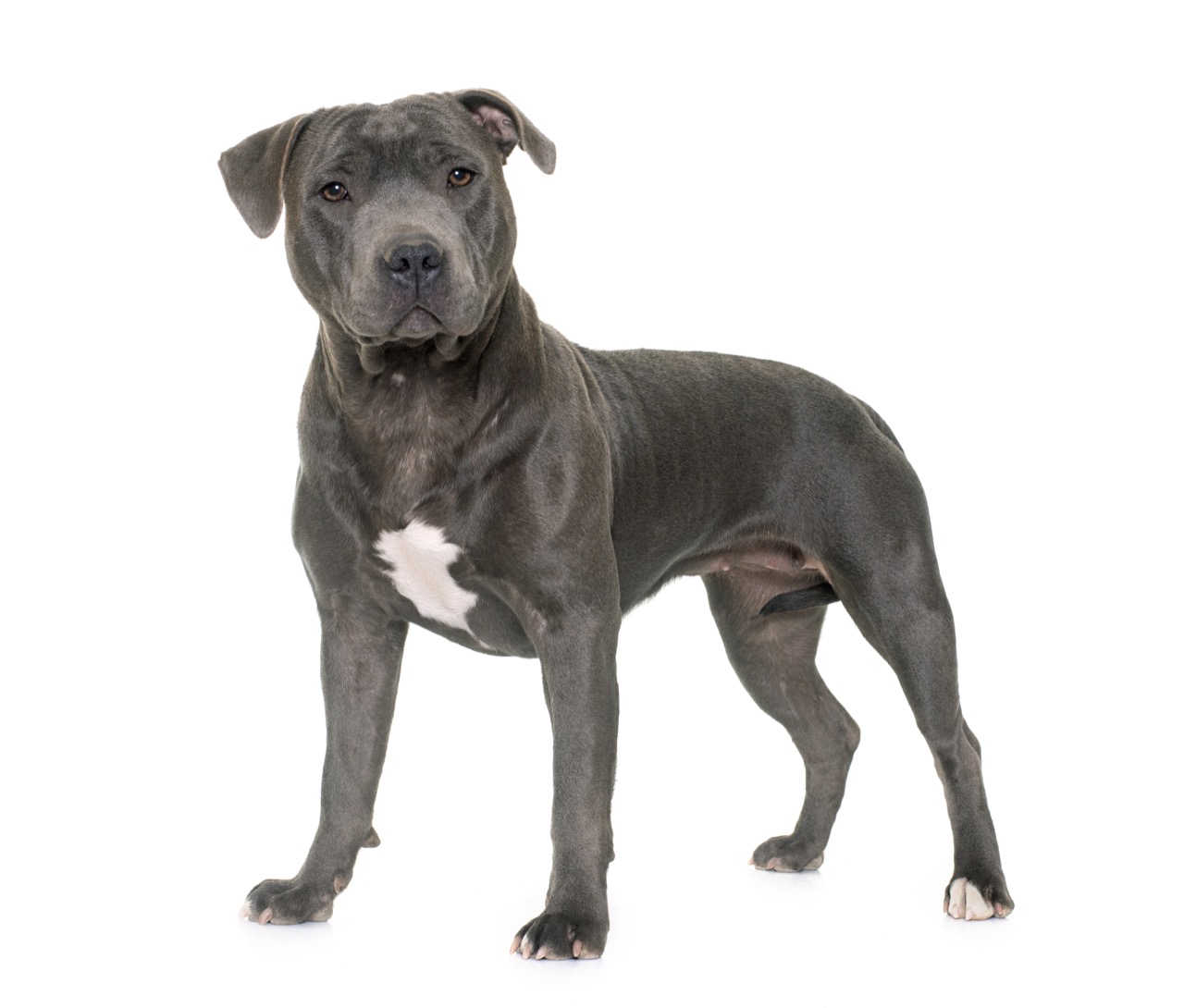
Quiz Complete!
How to Identify an American Pit Bull Terrier by Structure and Coat
The American Pit Bull Terrier is one of the most commonly misidentified dogs, partly because the term pit bull is often used as a casual umbrella for several different breeds and mixes. If you want to spot an American Pit Bull Terrier in real life, it helps to focus on concrete, visible traits: overall build, head shape, coat type, and the way the dog carries itself. While no single feature is perfect on its own, a cluster of consistent cues can make your identification much more reliable. The descriptions here follow the United Kennel Club standard, since the AKC has no standard for this breed; the American Dog Breeders Association keeps its own.
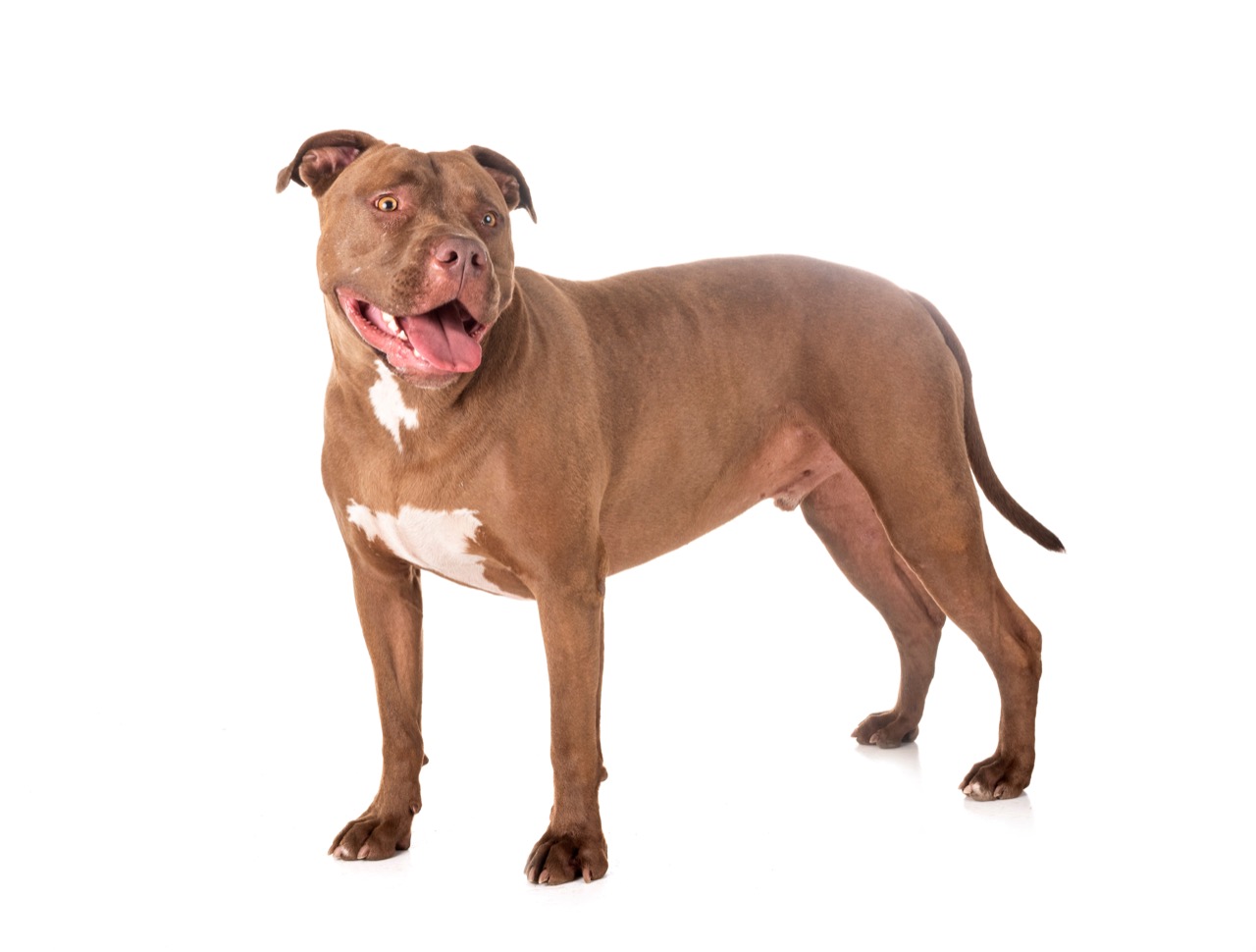
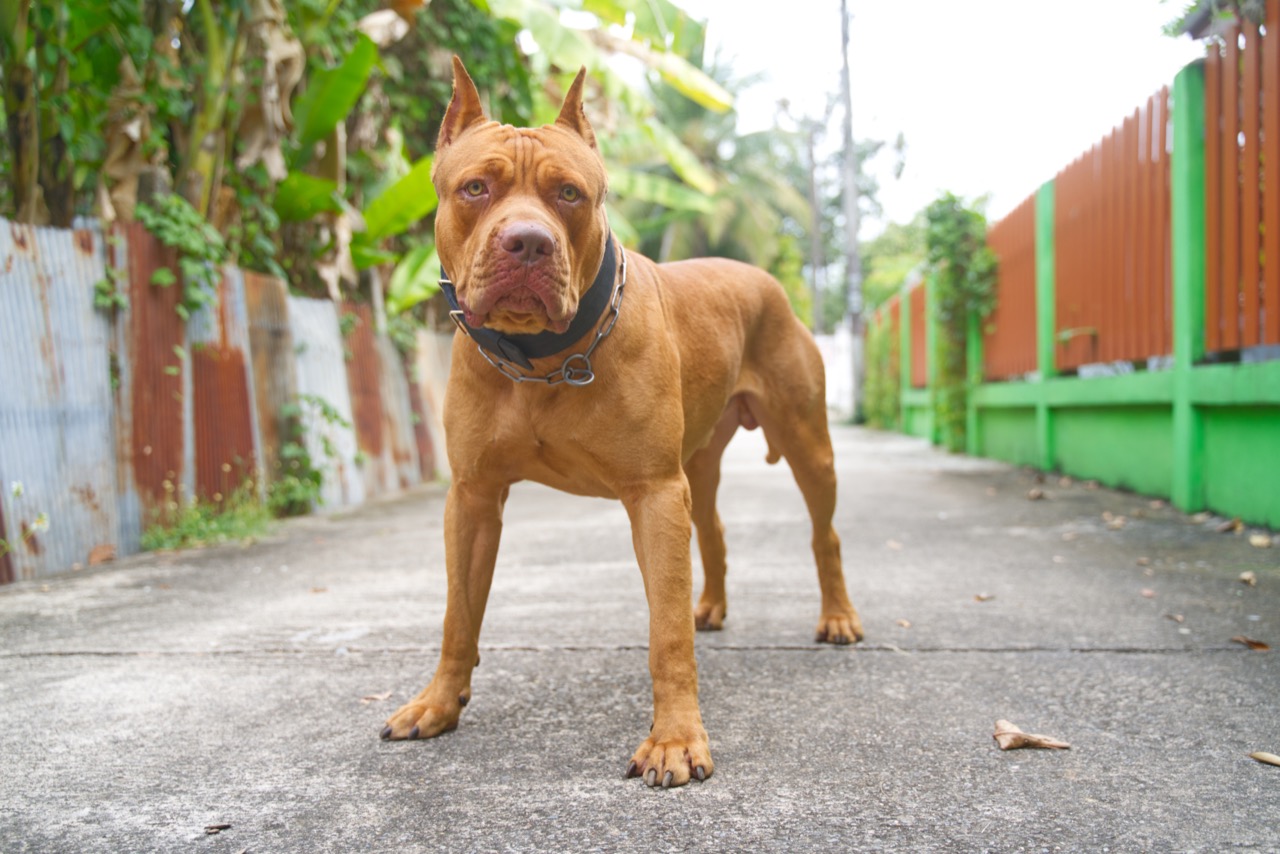
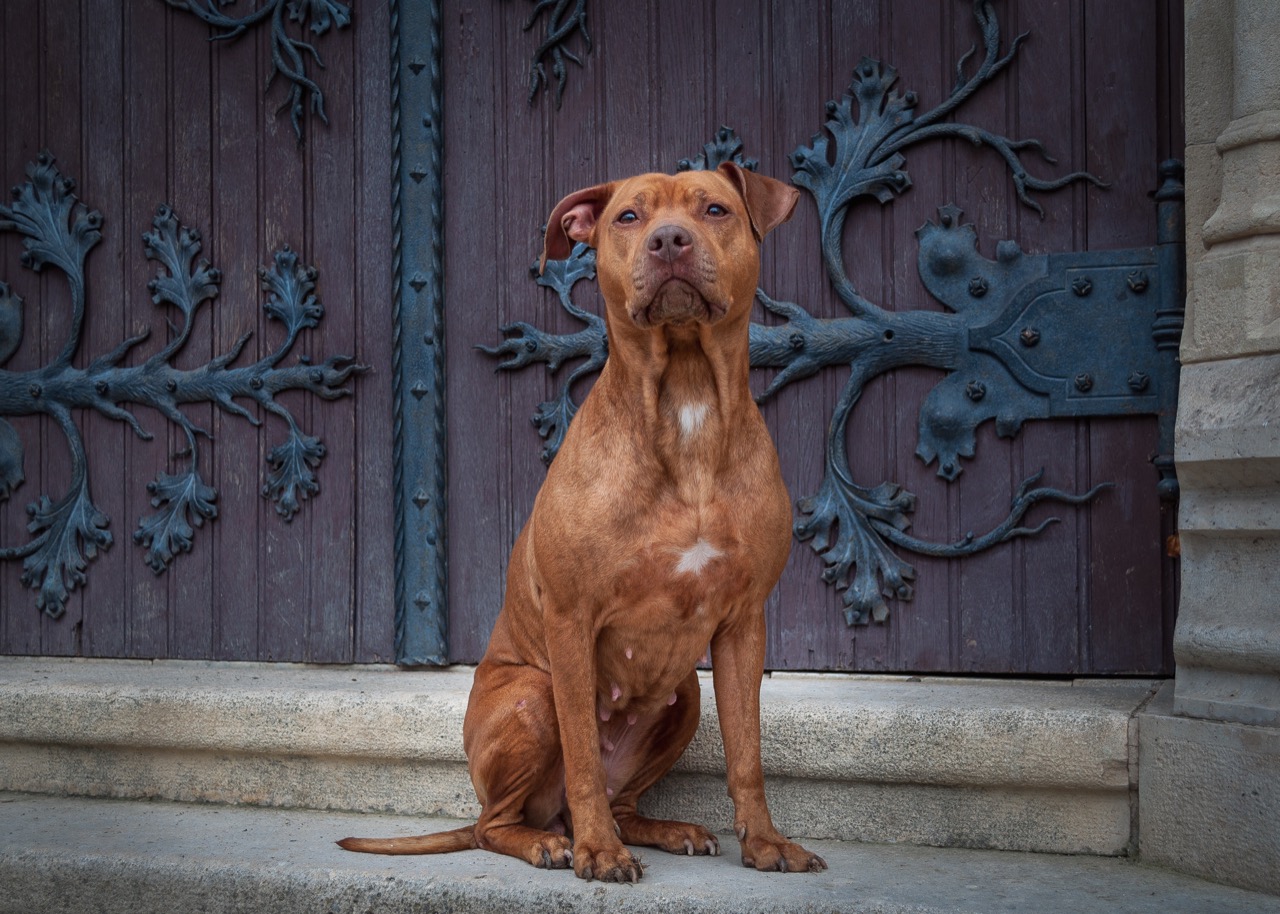
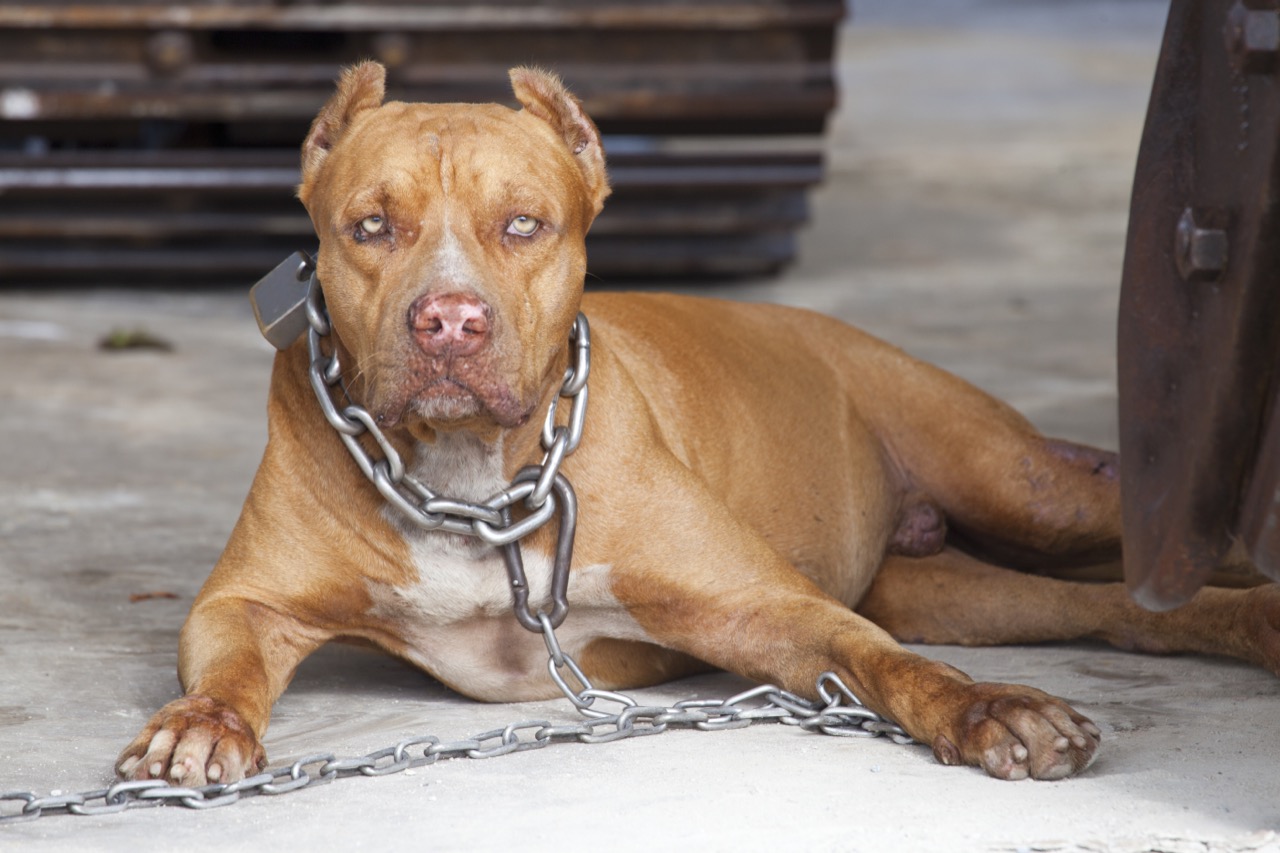
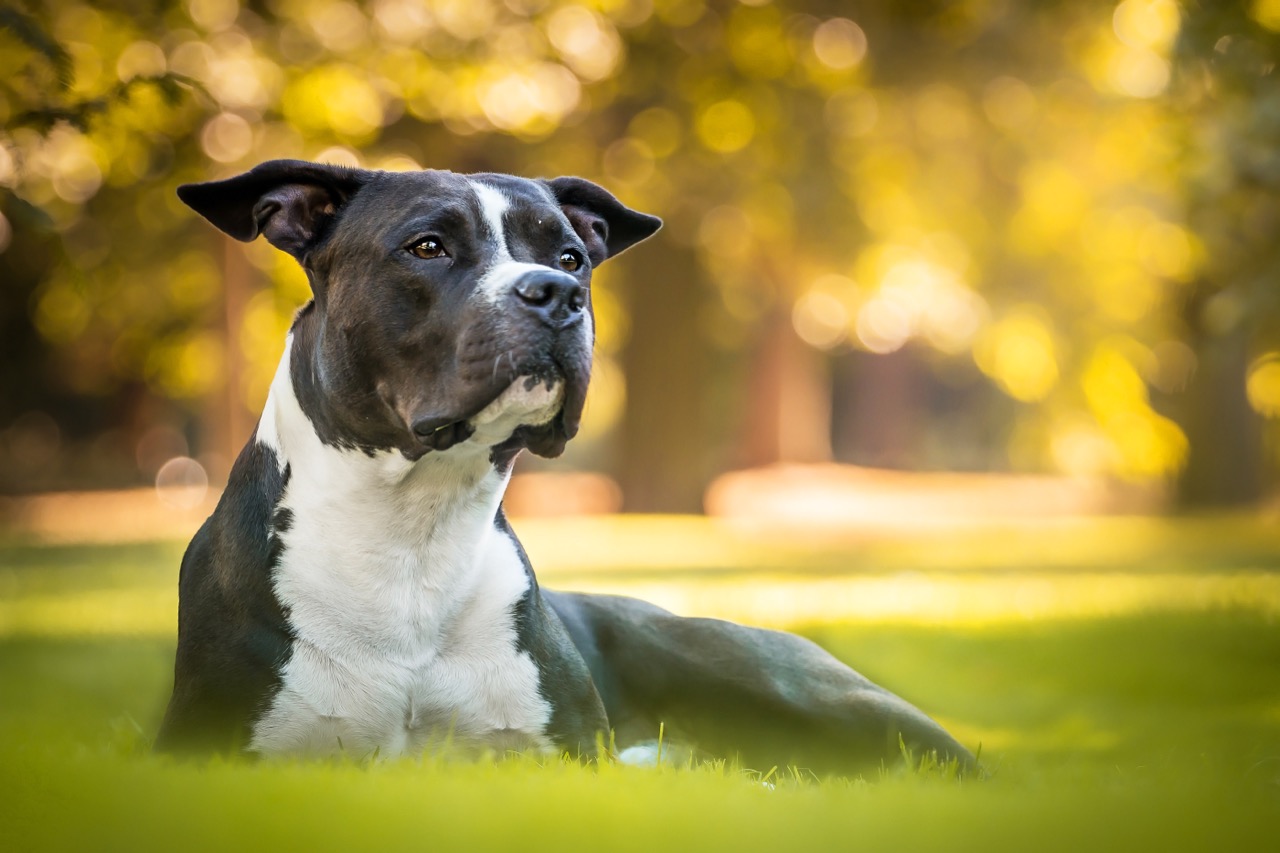
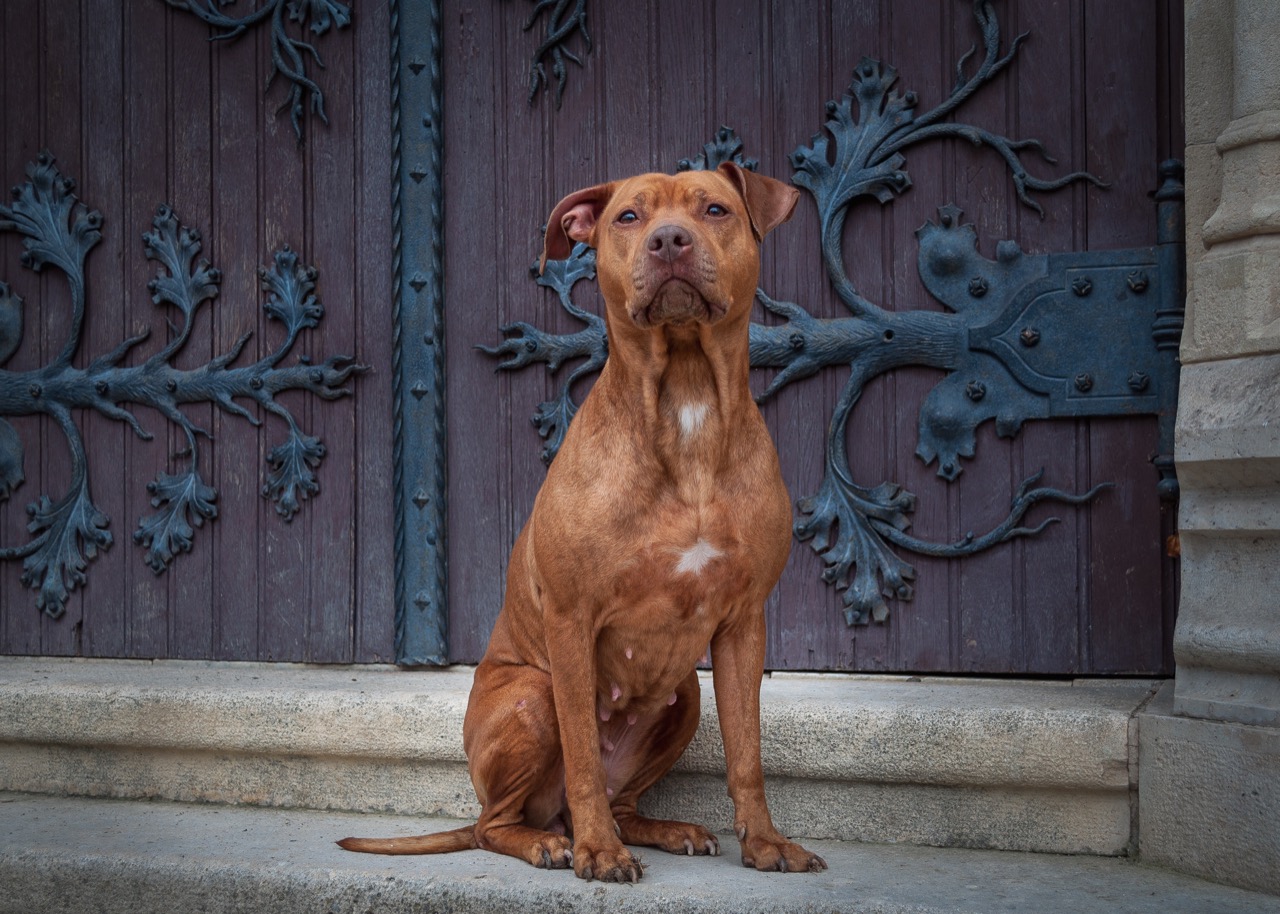
Start with the silhouette. The American Pit Bull Terrier is typically medium sized and athletic, built for strength and agility rather than bulk. The body often reads as compact and powerful, with a deep chest and well sprung ribs, but not a barrel shaped torso. The back is usually level to slightly sloping with a strong loin, and the dog tends to look balanced from shoulder to hip. Legs are straight and muscular, and the dog often stands with an alert, ready posture. A common mistake is assuming any stocky dog with a big head is an American Pit Bull Terrier. Many lookalikes are heavier boned, shorter legged, or much more exaggerated in width.
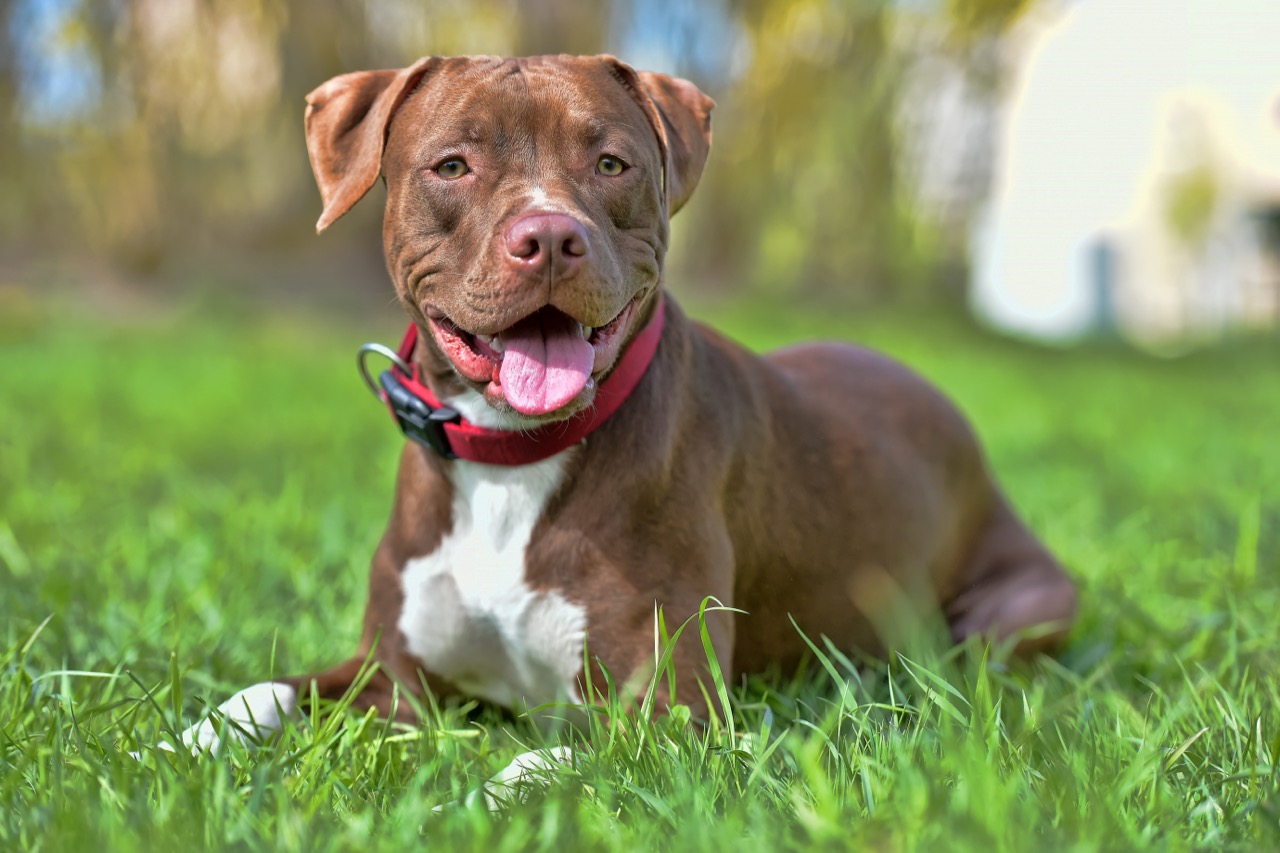
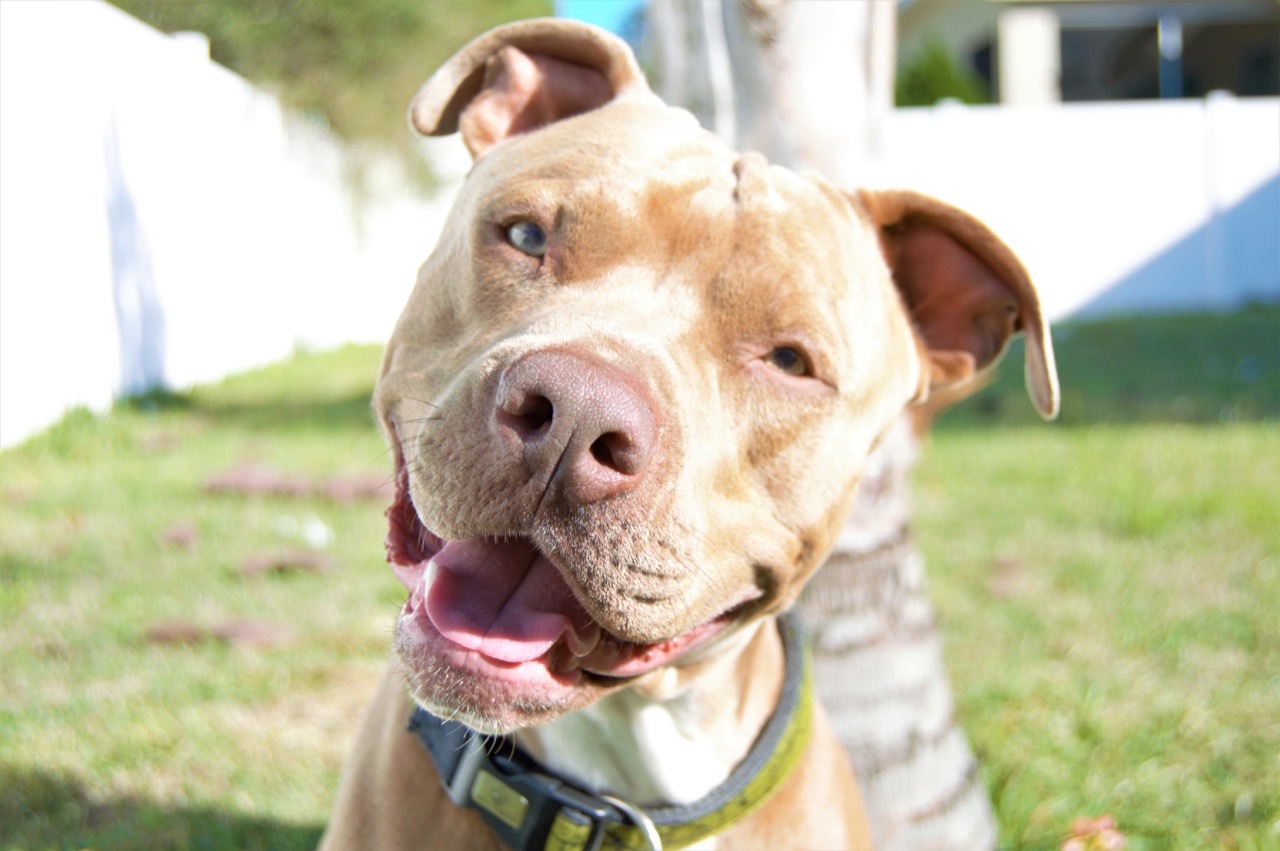
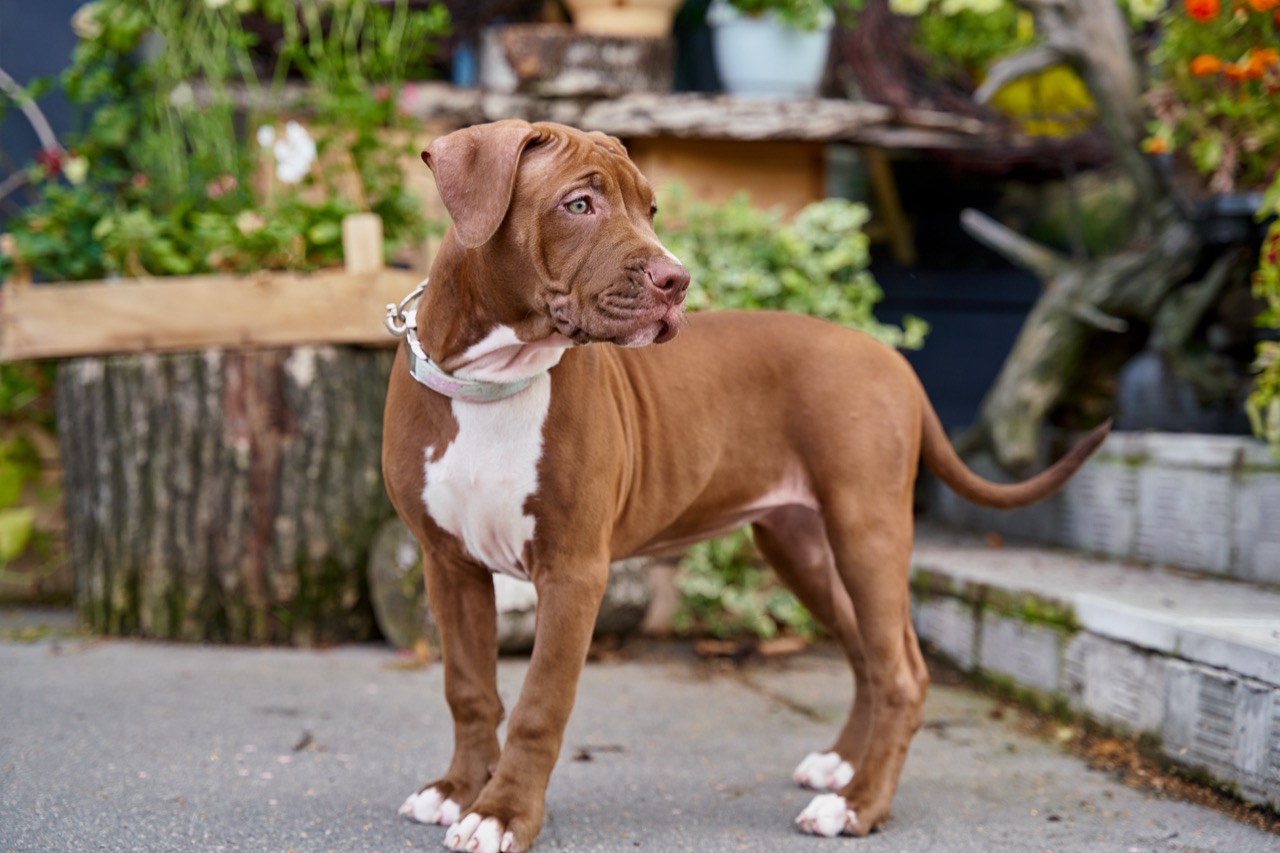
The coat is another practical clue. American Pit Bull Terriers have a short, smooth coat that lies close to the body. It is not fluffy, wiry, or long, and it typically has a noticeable sheen when healthy. Because the coat is so short, the dog’s musculature and structure show clearly, which is why body proportions matter so much for identification.
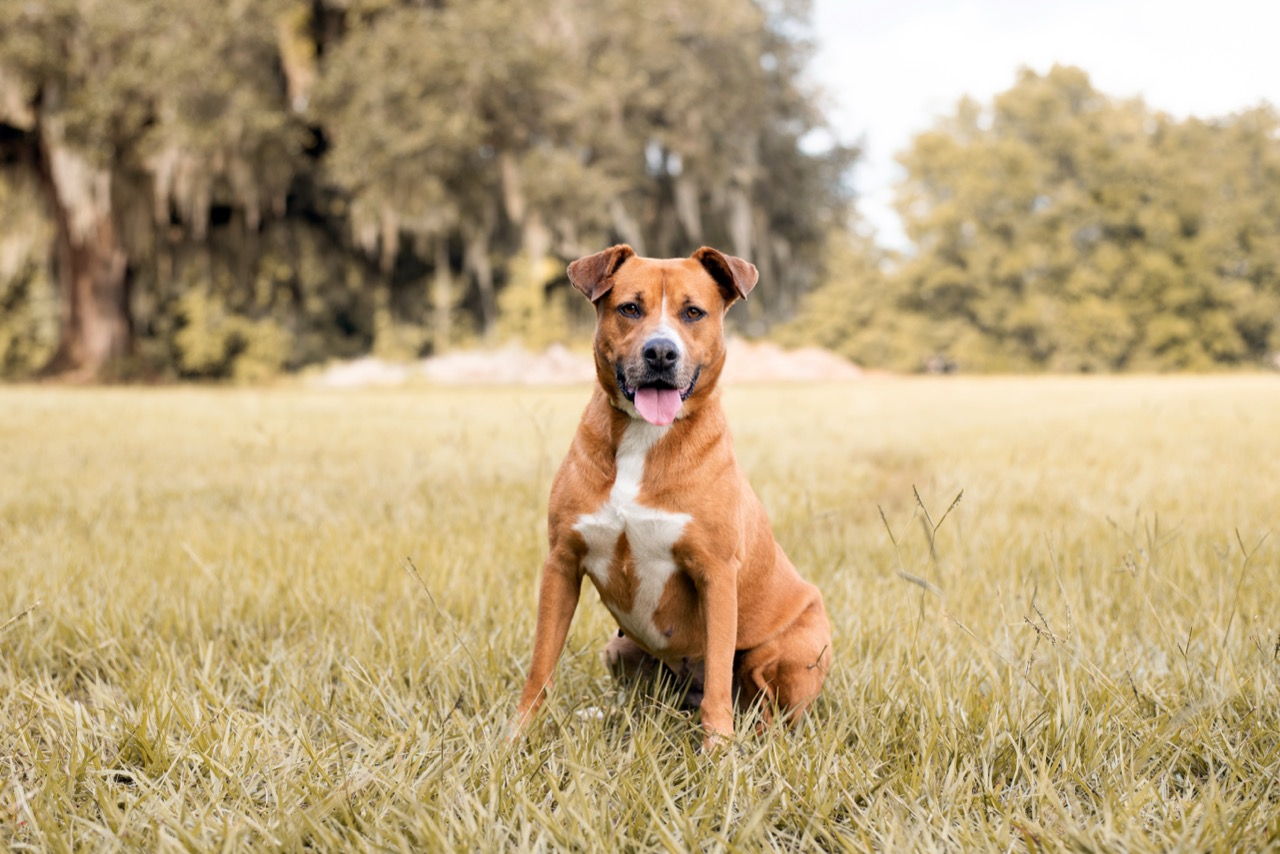
Color can be almost anything, which surprises people looking for one signature shade. You may see solid colors like black, red, brown, or fawn, as well as brindle striping, patches of white, or a mix of markings. Some dogs have a black mask or white chest blaze. Because the UKC standard accepts any color or pattern except merle, it is better to treat color as a supporting detail rather than a deciding factor. In other words, color can match, but color alone cannot confirm.
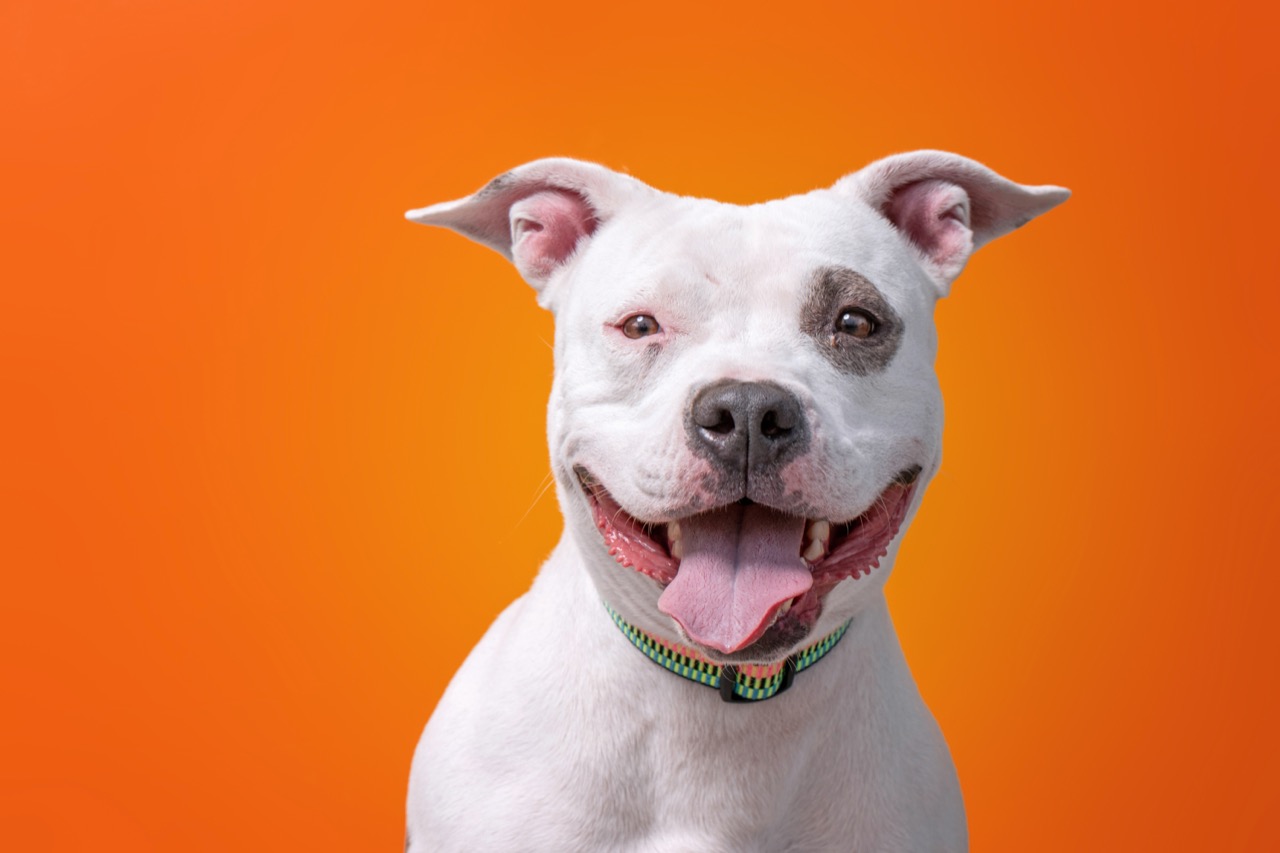
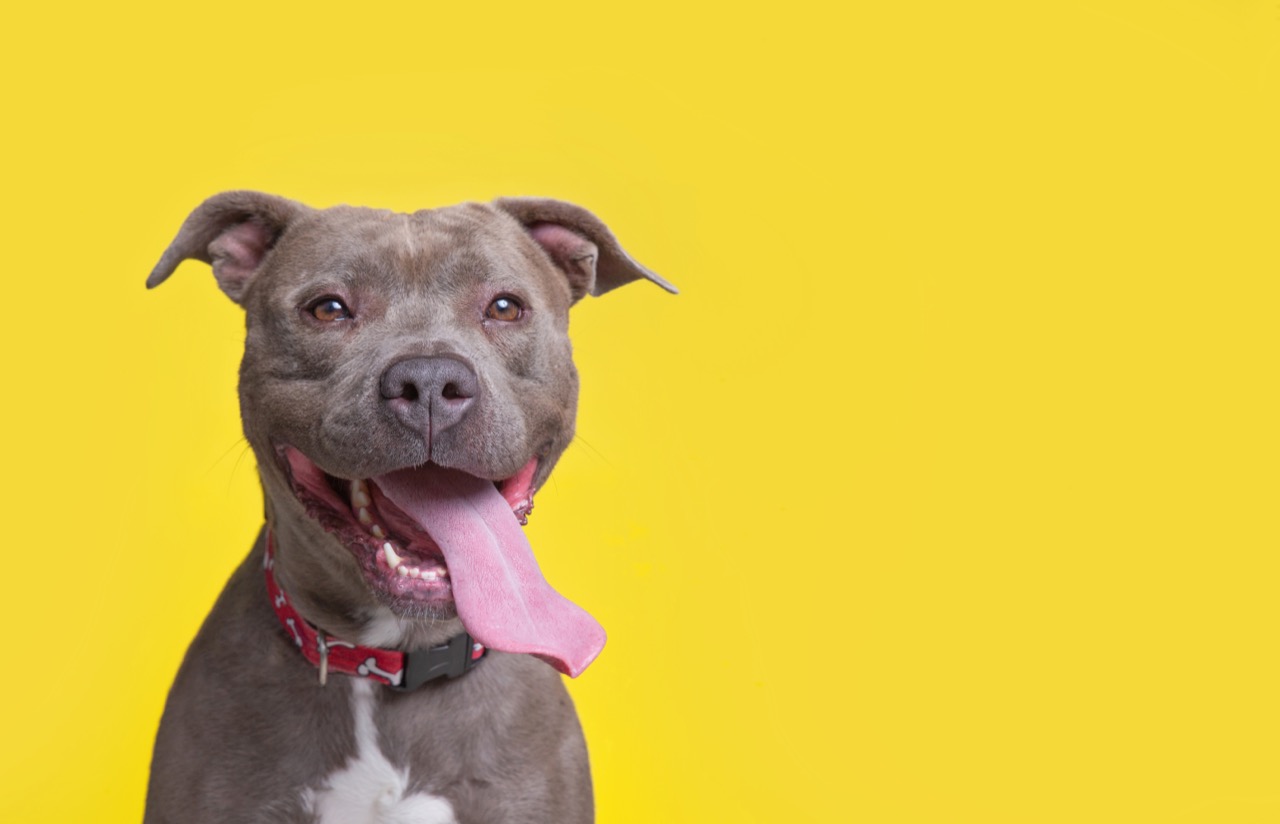
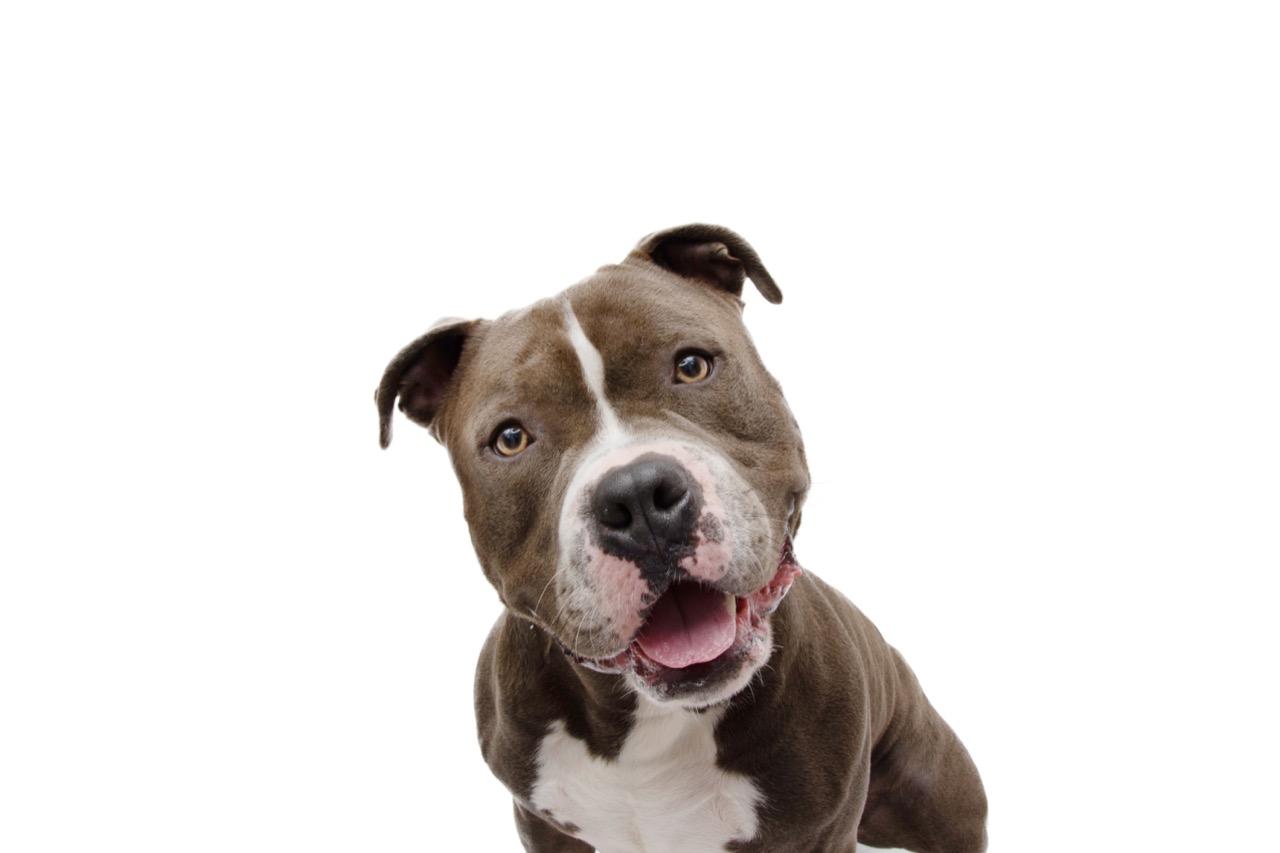
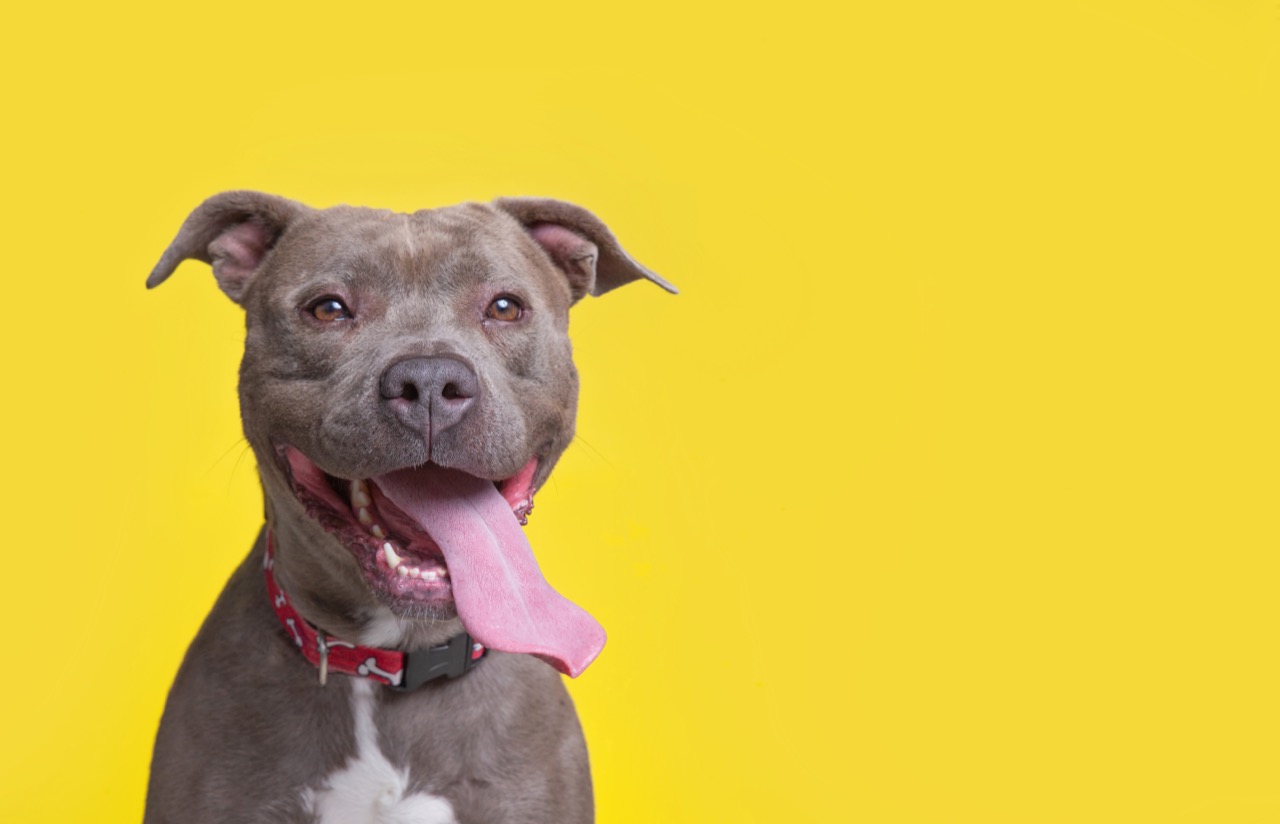
Head and facial details are often where people feel confident, yet this is also where myths creep in. The American Pit Bull Terrier tends to have a broad, wedge shaped head with prominent cheek muscles and a defined stop, but not an overly short muzzle. The muzzle is usually medium length and strong, with a large nose and well developed jaw. The expression often looks keen and focused rather than heavy or droopy. Eyes are typically set well apart and can be many colors, and the ears may be natural or cropped depending on the dog. Natural ears often appear rose or semi prick, folding slightly rather than hanging long and low like a hound’s.
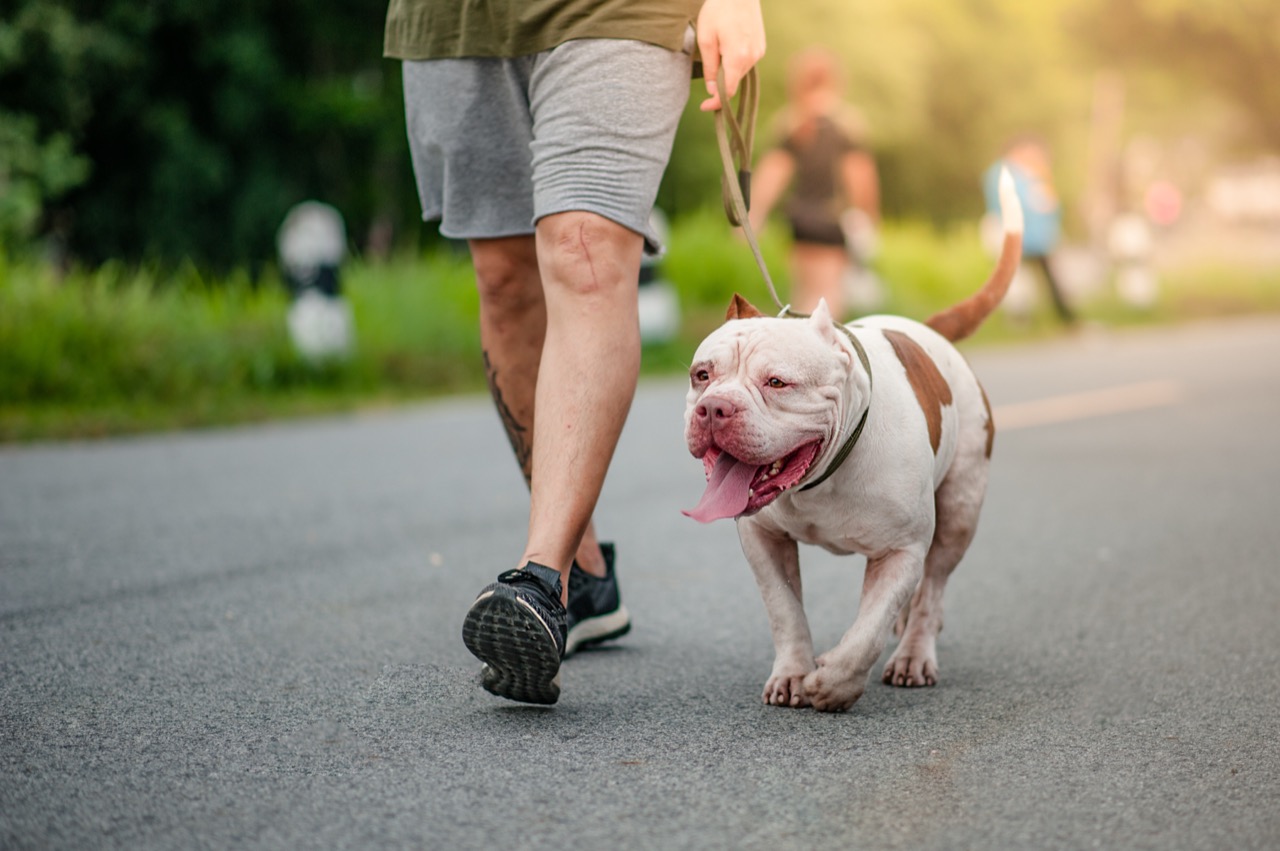
To rule out common lookalikes, compare structure. American Staffordshire Terriers can look similar but are often heavier and more show ring compact, with a more uniform, blocky appearance. Staffordshire Bull Terriers are usually smaller overall with a shorter muzzle and a very distinct, compact build. American Bullies are commonly much wider and more exaggerated in chest and head, with shorter legs and a more extreme, bulky outline. Boxers tend to have a noticeably shorter muzzle and a more tucked up, square athletic frame with different head proportions. Mixed breed dogs can combine traits in confusing ways, which is why focusing on multiple features at once is the most honest approach.
A useful habit is to watch the dog move. The American Pit Bull Terrier often has a springy, efficient gait, with strong drive from the rear and a smooth reach in front. The movement usually looks athletic and capable rather than lumbering. Seen together with the short coat, balanced proportions, and characteristic head shape, motion can reinforce what you think you are seeing.
Because misidentification is so common, the most reliable takeaway is to think in patterns, not labels. When you can describe a dog’s coat, head, ears, chest, legs, and overall balance in specific terms, you will make better identifications and also become better at spotting when a dog is likely a different breed or a mix. That practical, visual approach is exactly what makes a good identification quiz worth taking.