Spot the French Bulldog





Quiz Complete!
French Bulldog Looks Through the Years: How to Spot a True Frenchie
French Bulldogs are one of those breeds you can often recognize at a glance, even from a distance. Their look is built around a few bold design elements that fit together like a signature: a compact, muscular body, a large square head, and the famous upright bat ears that give them an alert, slightly comical expression. Knowing how these traits relate to each other makes it much easier to tell a true Frenchie from similar short faced breeds.
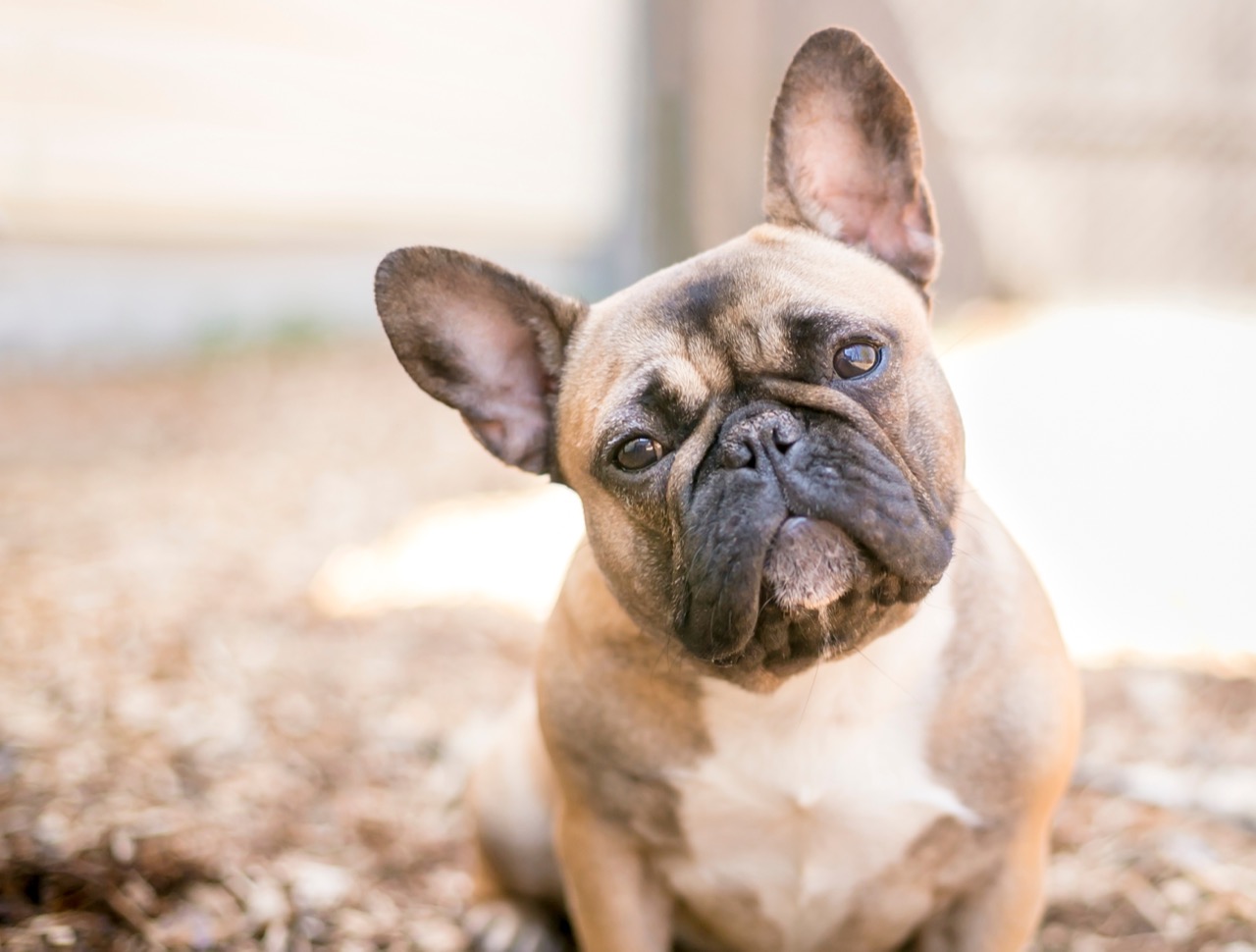
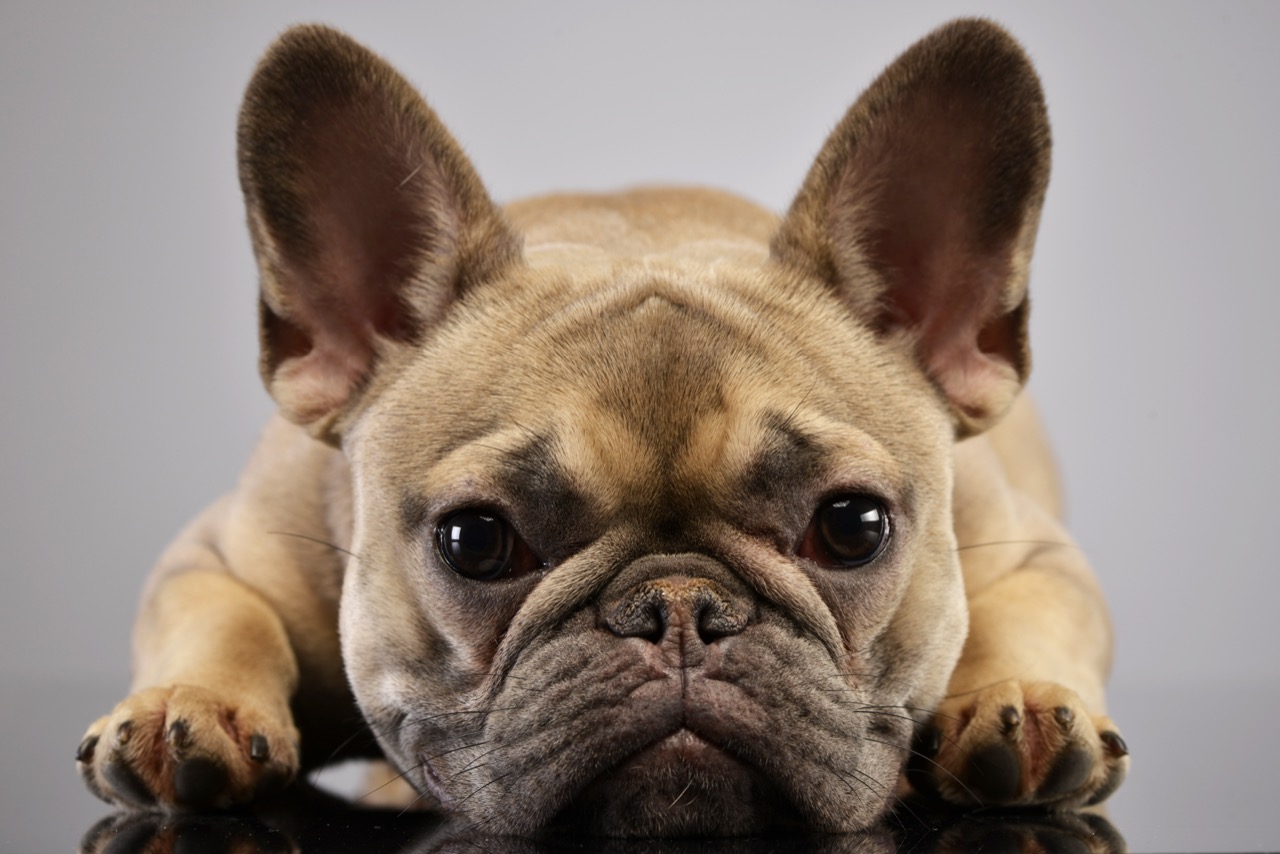
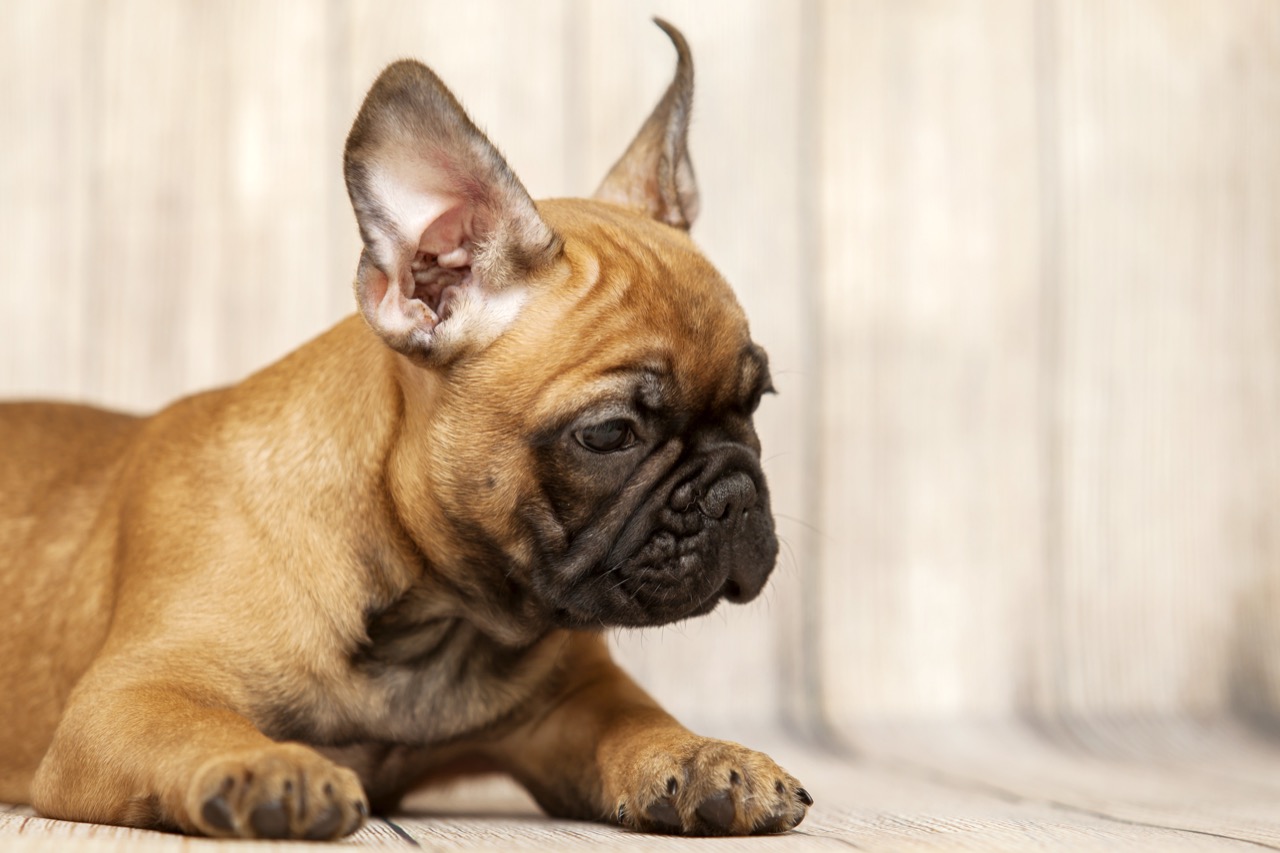
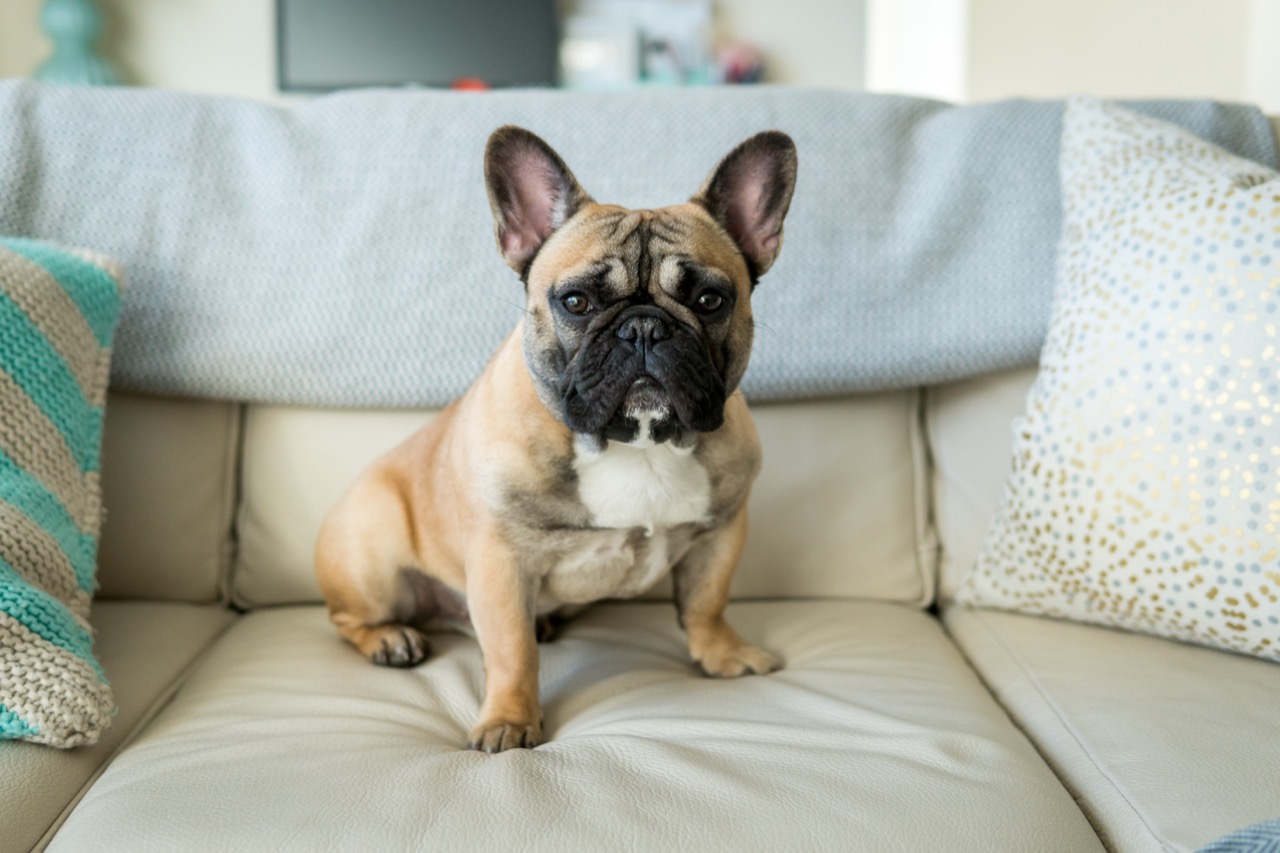
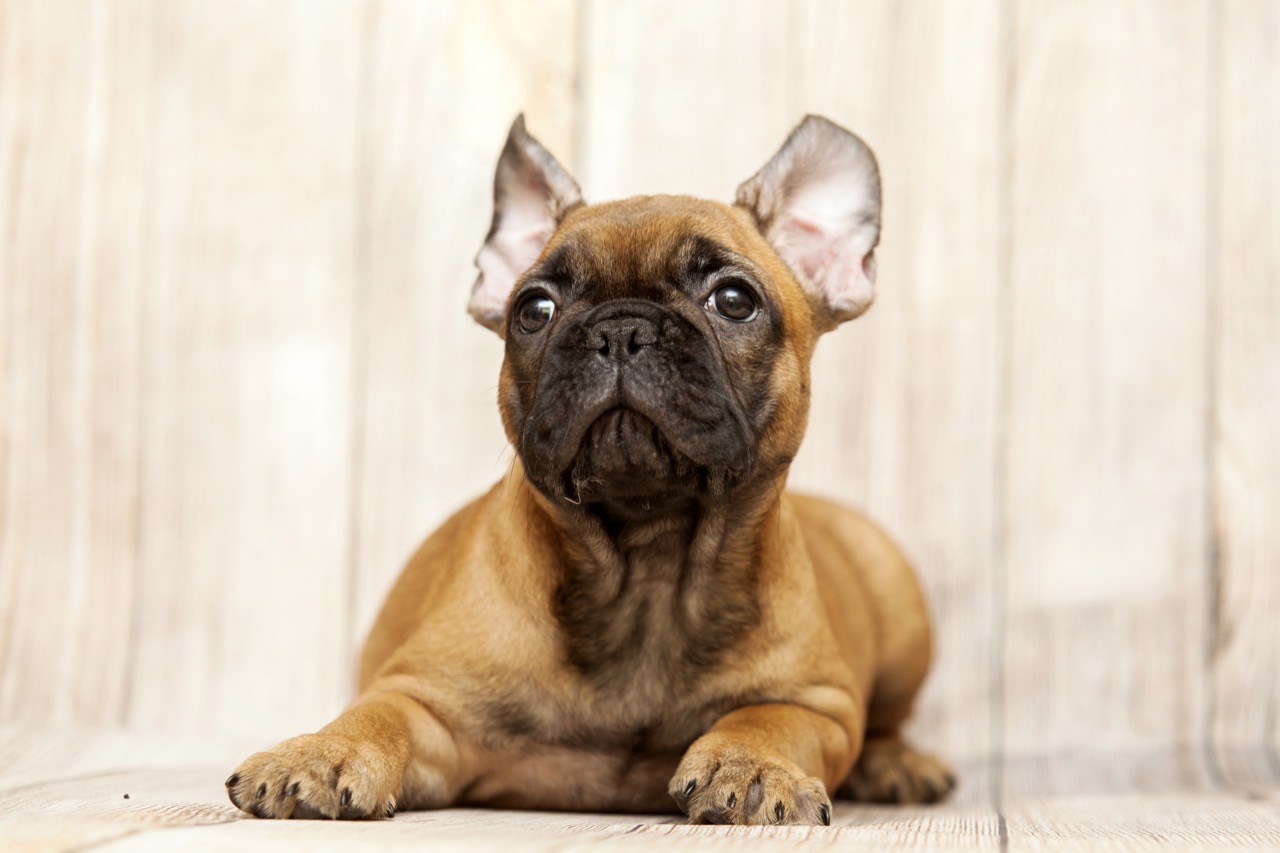
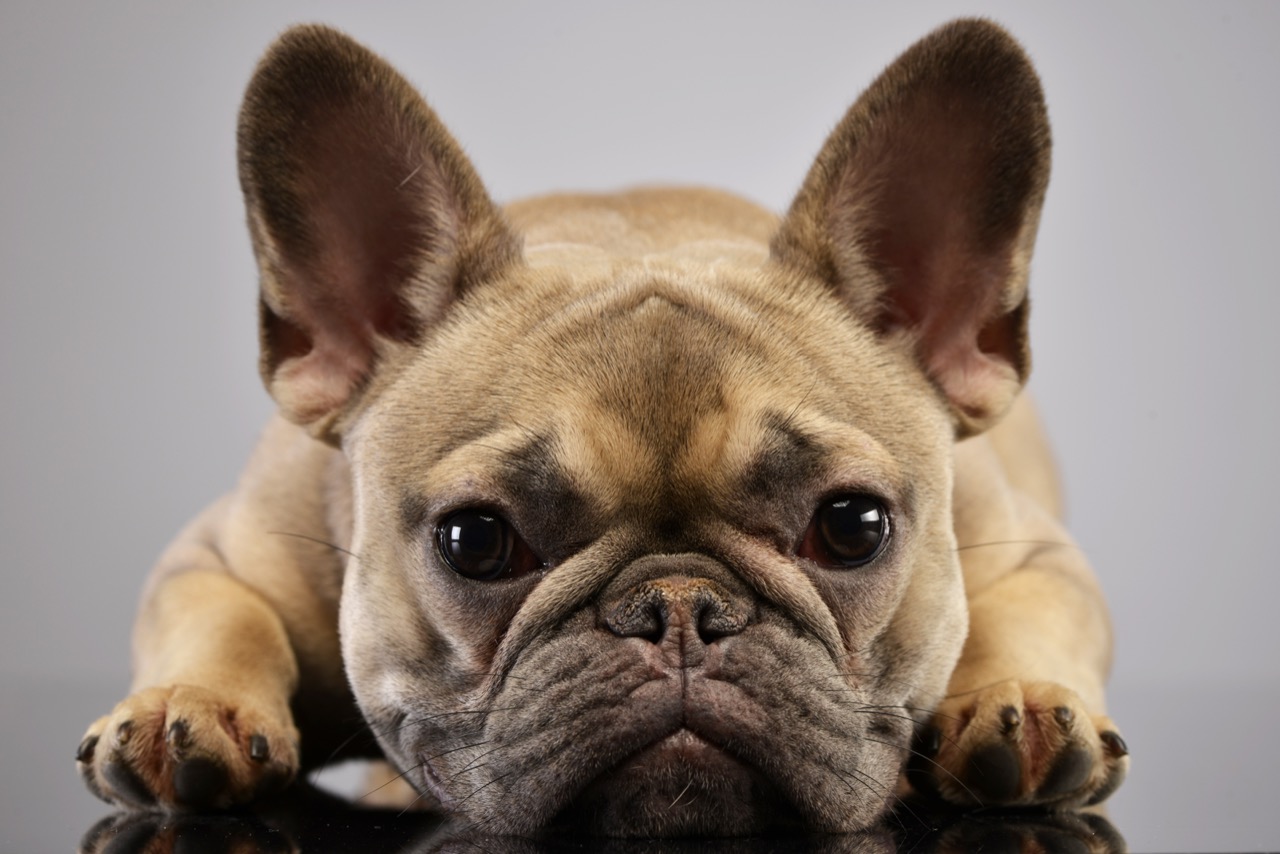
The head is the first big clue. A French Bulldog’s skull is broad and fairly square, with prominent cheeks and a short muzzle. The face is brachycephalic, meaning the nose is pushed back and the muzzle is shortened, but the overall expression should still look balanced rather than pinched. The nose is typically black, and the eyes are round and set fairly wide apart, contributing to that open, friendly look. The AKC standard describes heavy wrinkles forming a soft roll over the extremely short nose, within a compact, tidy head.
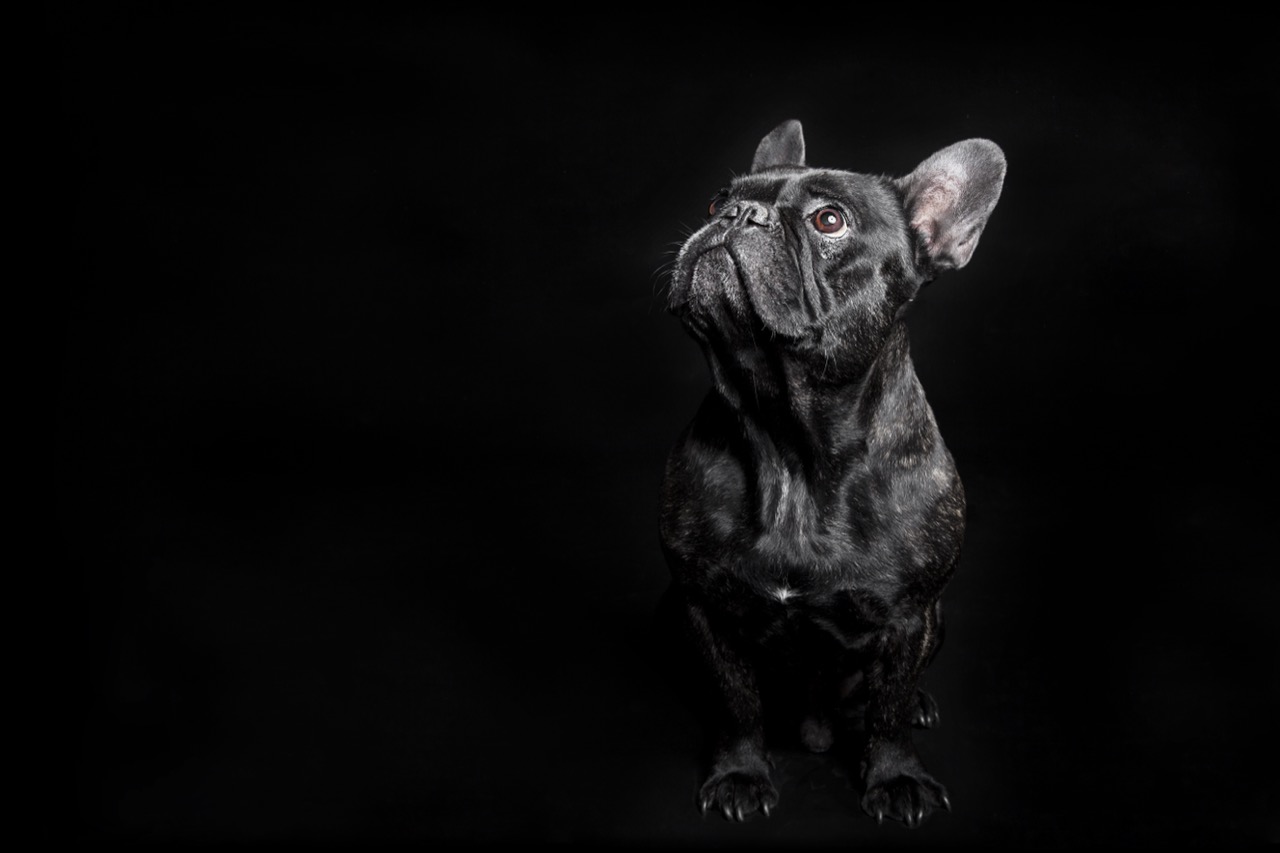
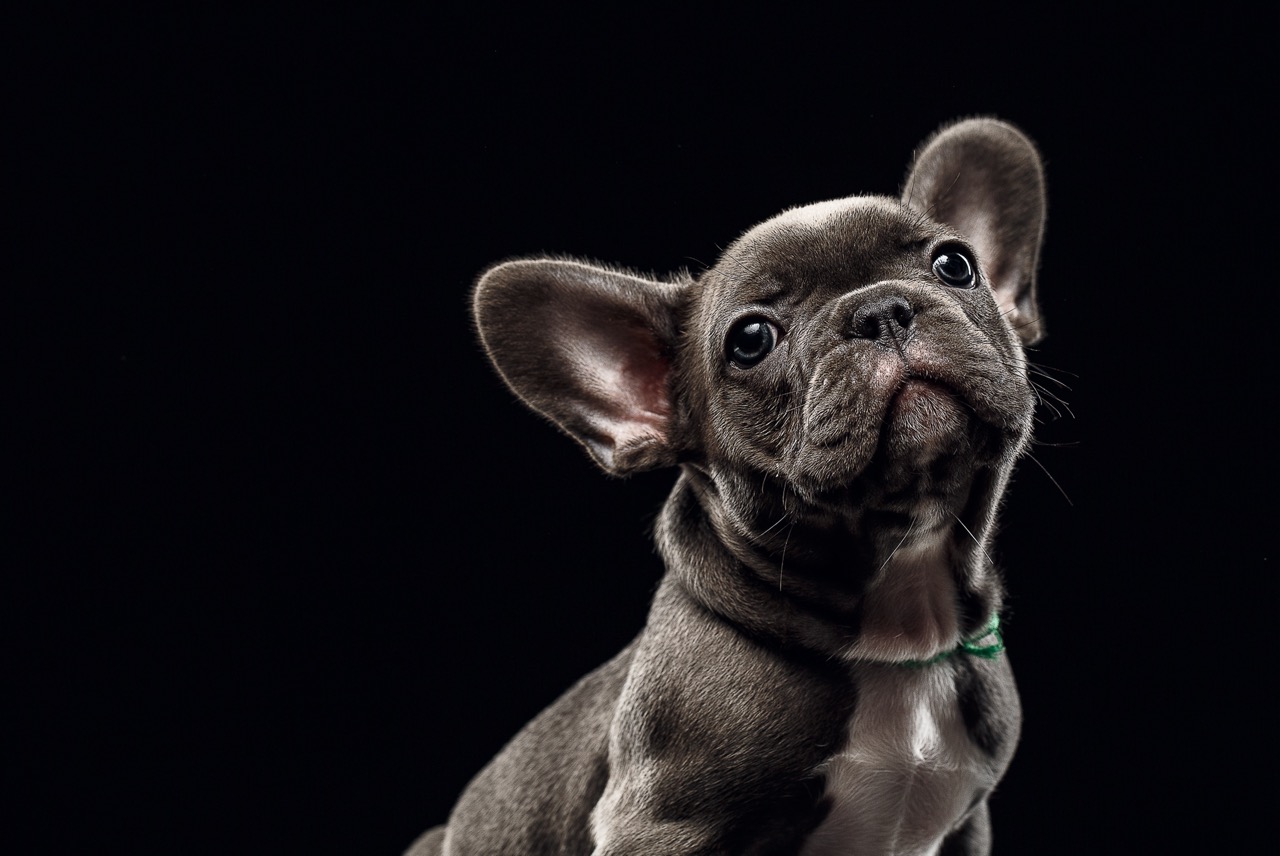
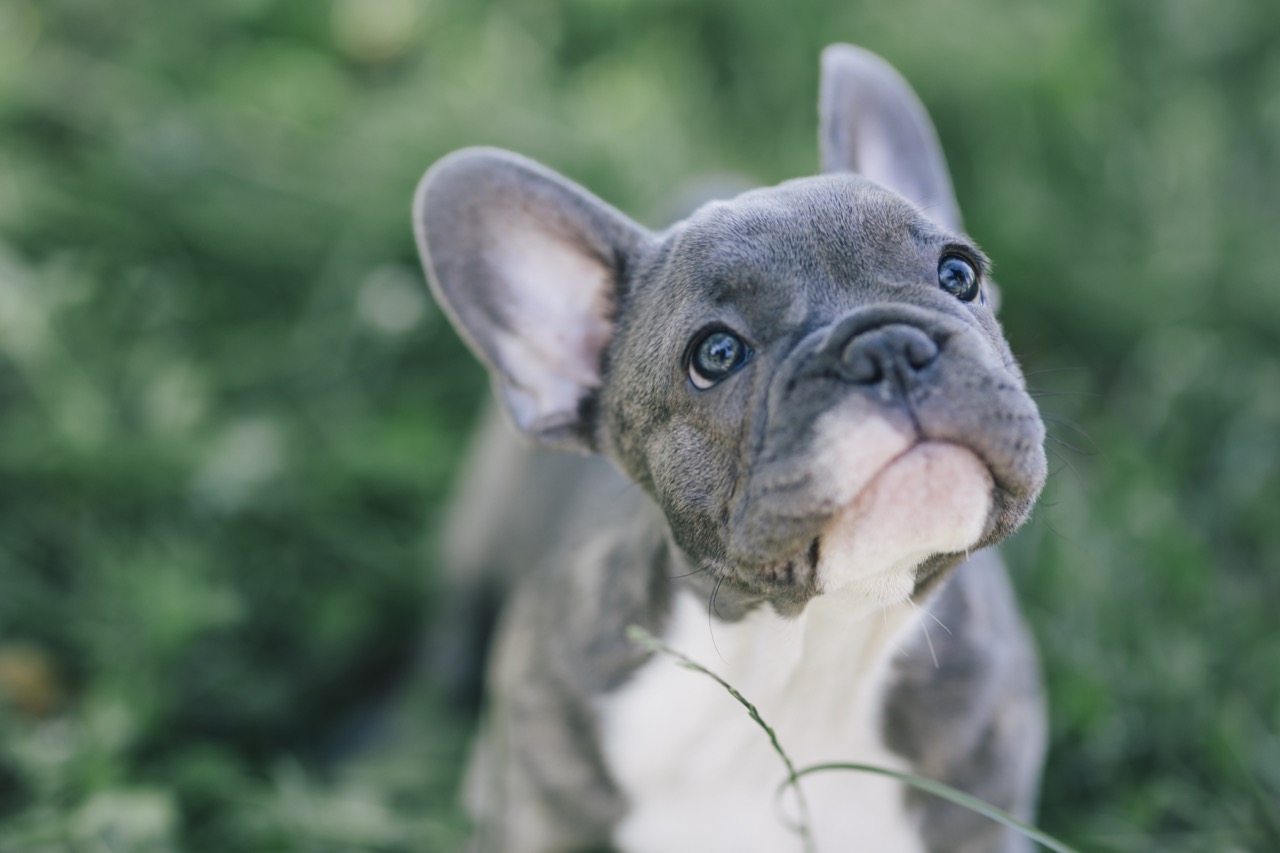
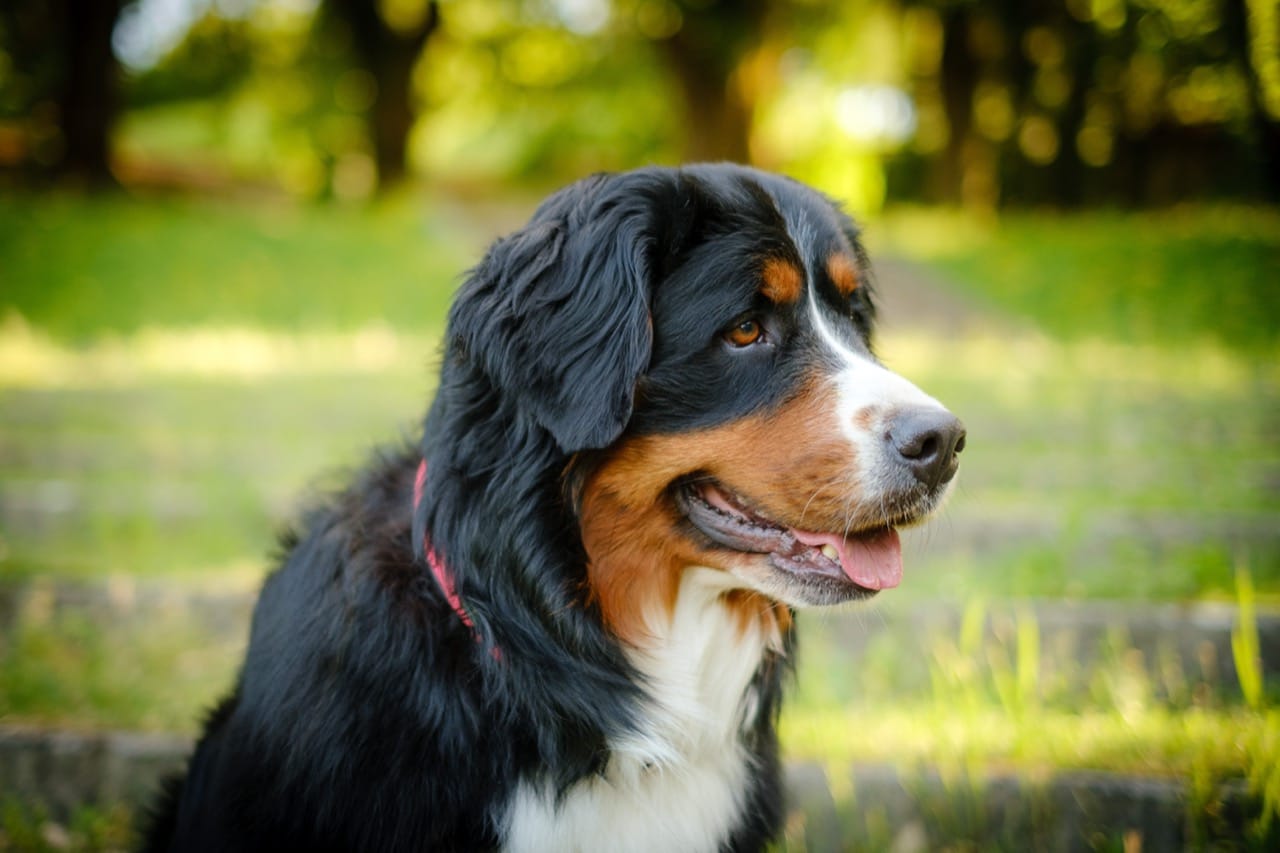
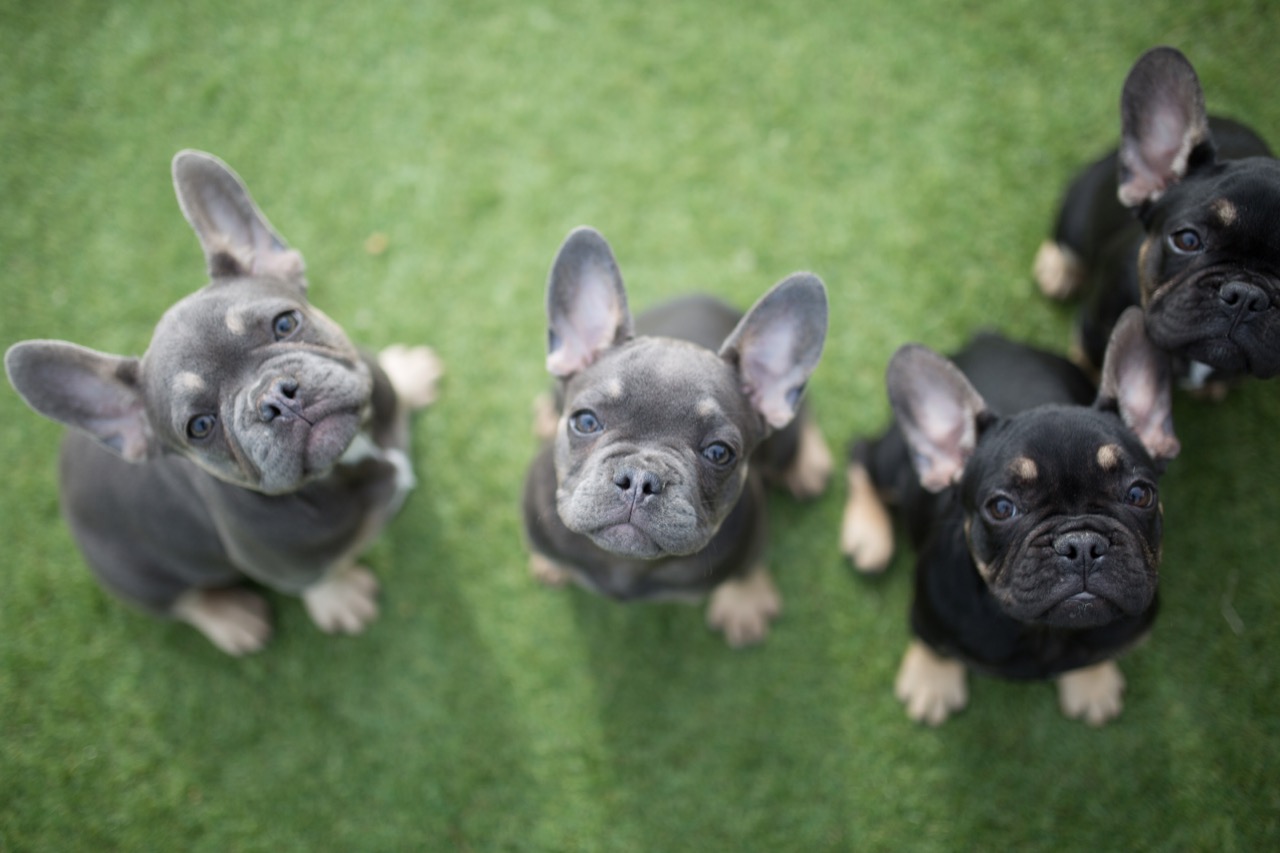
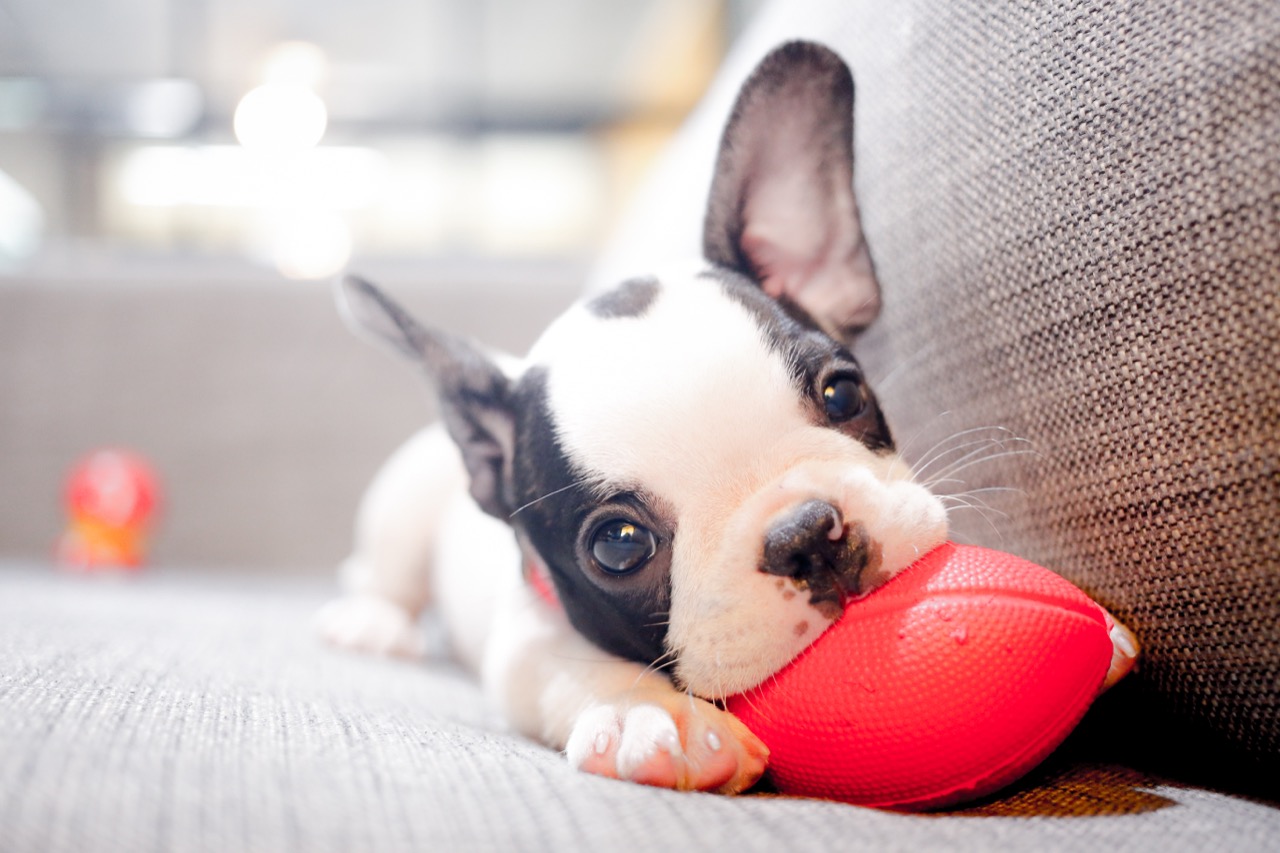
Those ears are the hallmark. French Bulldogs have ears that stand erect, wide at the base and rounded at the tip, like a bat’s. Ear carriage matters when comparing lookalikes. Boston Terriers also have upright ears, but their ears tend to be more pointed, and their overall head is usually less massive. English Bulldogs, on the other hand, typically have small folded ears rather than fully upright ones. If you see a dog with a bulldog face and truly vertical, rounded ears, you are already leaning strongly toward Frenchie.
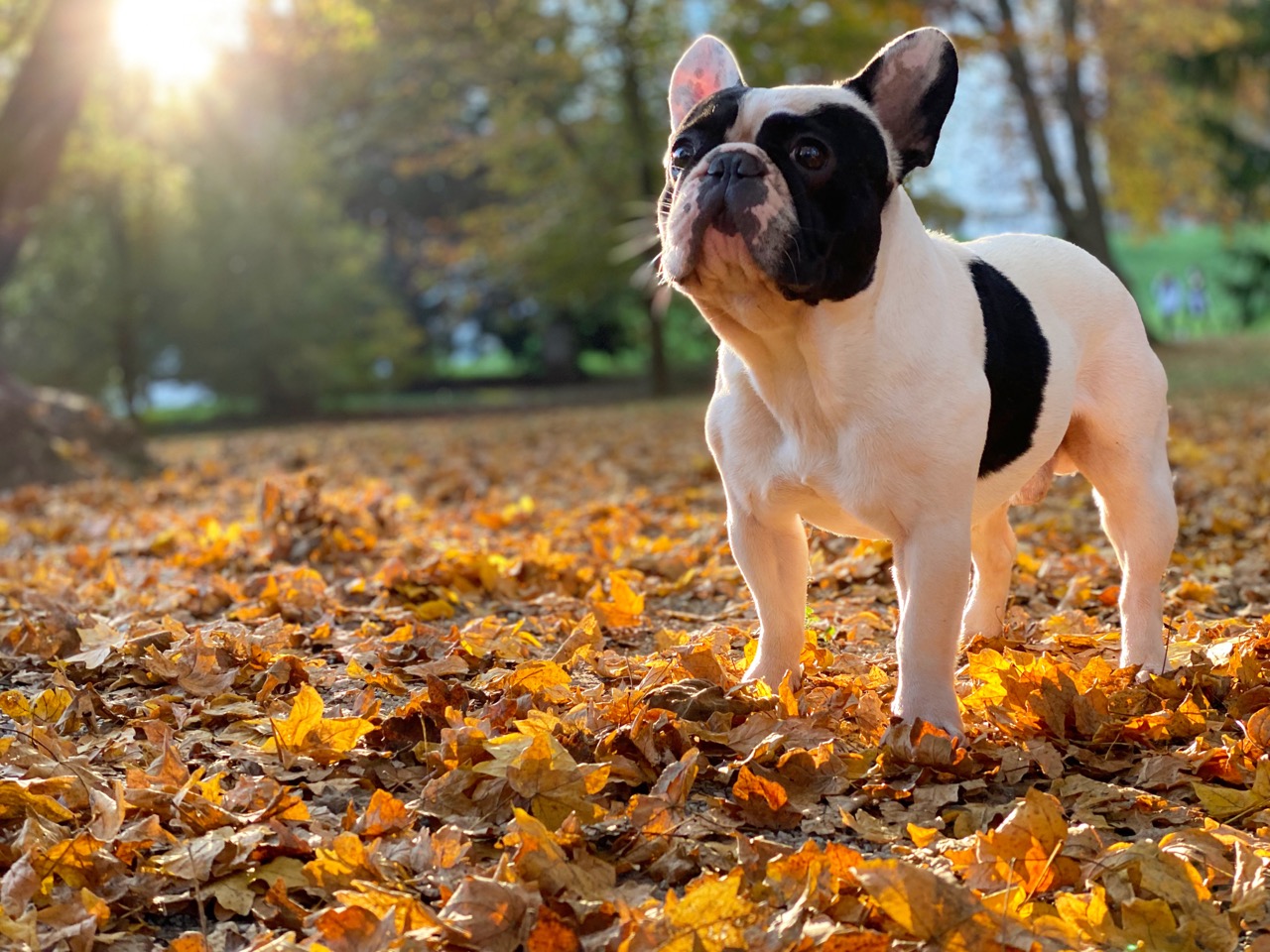
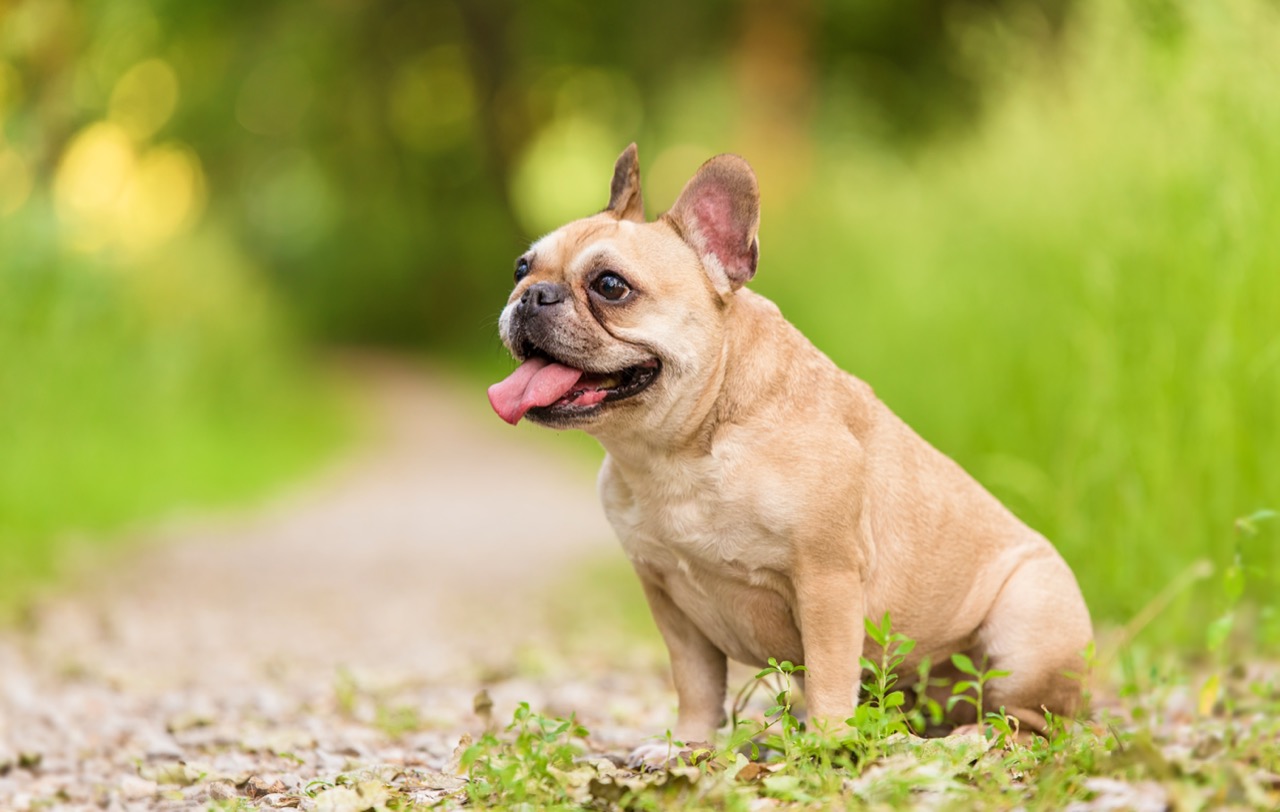
The body shape is the next checkpoint. French Bulldogs are compact and muscular, with a broad chest and a sturdy, substantial feel for their height. They are not tall dogs, and they are not meant to look leggy. The back often shows a slight rise over the loin, sometimes called a roach back, which can make the rear look a bit higher than the shoulders. This is one of the silhouette details that helps separate them from Boston Terriers, which are generally more square and athletic in outline, with longer legs and a lighter frame.
Coat and color can be eye catching, but they are supporting clues rather than the main identifier. Frenchies have a short, smooth coat that lies close to the body and highlights their muscle and shape. Common colors include brindle and fawn, and you may also see pied patterns with white plus patches of another color. Because the coat is so sleek, markings can look crisp and high contrast, which sometimes leads people to confuse a pied Frenchie with a Boston Terrier. A quick way to reset your eye is to compare the head and chest: Frenchies tend to have a heavier head and a wider, more barrel like front.
The tail is a surprisingly useful detail. French Bulldogs have naturally short tails that may be straight or screwed, carried low rather than curled over the back. They should not have a long whip tail. English Bulldogs also have short tails, often screwed, but combined with their heavier, lower slung body and different ear type, the overall picture changes.
When you look at French Bulldogs through the years, what stands out is how consistent these essentials remain. Fashionable colors and social media trends come and go, but the breed’s recognizable outline is built from stable traits: bat ears, a compact muscular body, a short smooth coat, and a naturally short tail. If you train your eye to check ears, proportions, and tail type in that order, you will be able to spot a Frenchie quickly and confidently, even among the most convincing lookalikes.