Lace, Paris and Bat Ears



Quiz Complete!
From Workshop Companions to City Sidekicks: The Working Roots of the French Bulldog
French Bulldogs are often pictured as modern couch companions, but their story begins in busy human spaces where a small, sturdy dog had a practical place. The breed did not appear out of nowhere as a decorative pet. It developed from small bulldog types kept in Britain, especially in working class settings where people valued tough little dogs that could live close to them. These early bulldog descendants were compact, determined, and comfortable in crowded homes. When the Industrial Revolution pushed many Nottingham lace workers to relocate to Normandy, their dogs traveled with them, and the French Bulldog identity began to take shape.
A key part of the breed’s early history is tied to small workshops and city life. In environments like lace making and other home based trades, people worked long hours in tight quarters. A dog that could settle quietly nearby and thrive without much outdoor space would have suited that life. These dogs were not herders or hunters built for distance. They were shaped by circumstance into close range companions, always within a few feet of their person. That people focused temperament, often described today as affectionate and comical, may well owe something to that life of constant proximity.
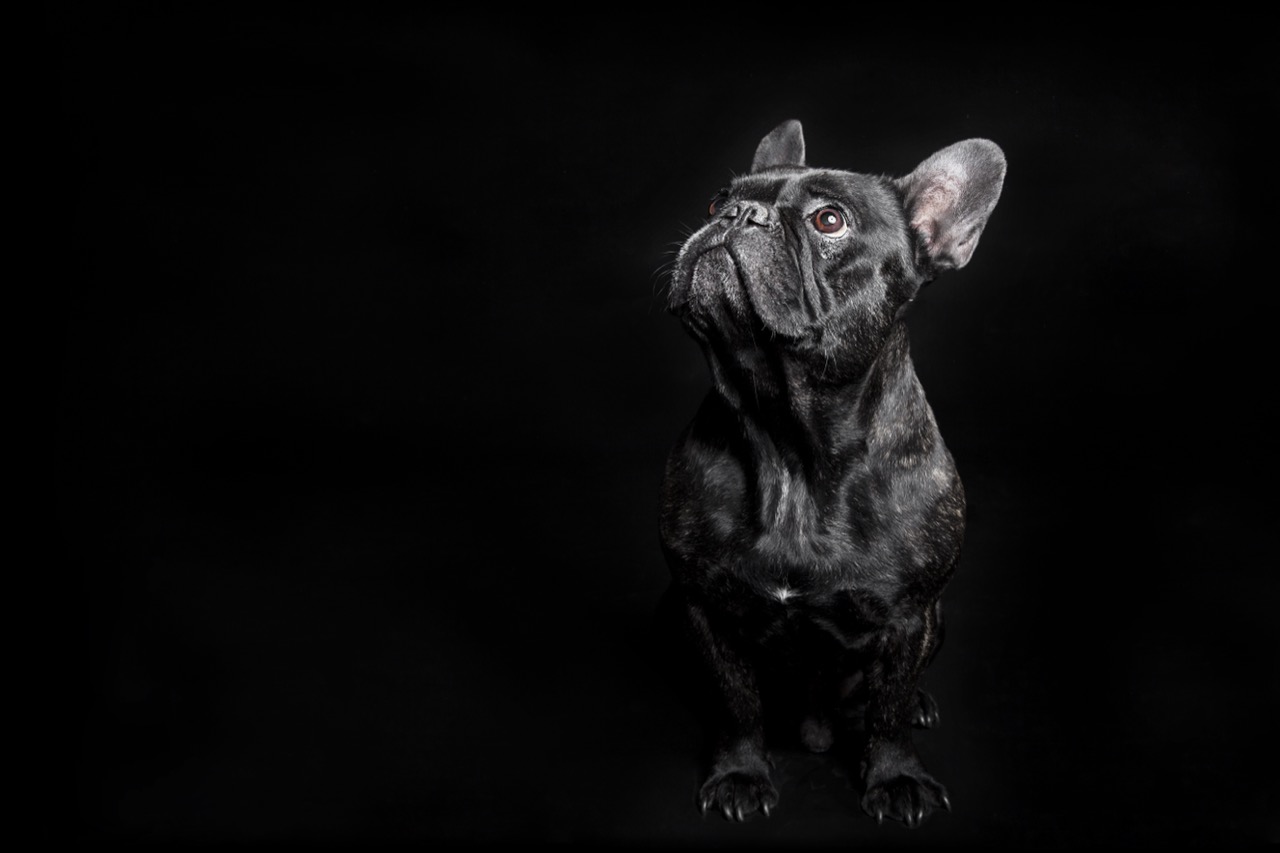
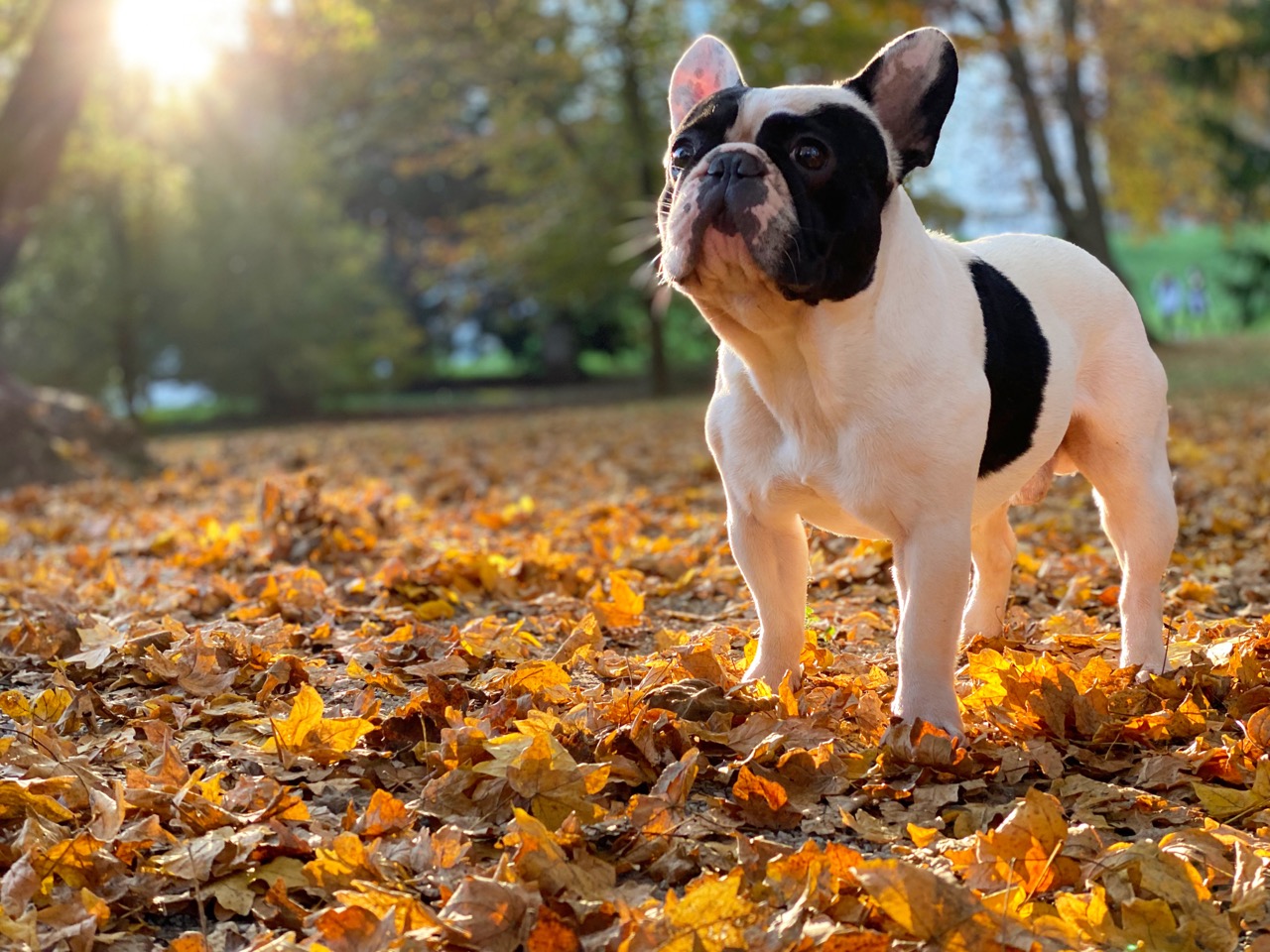
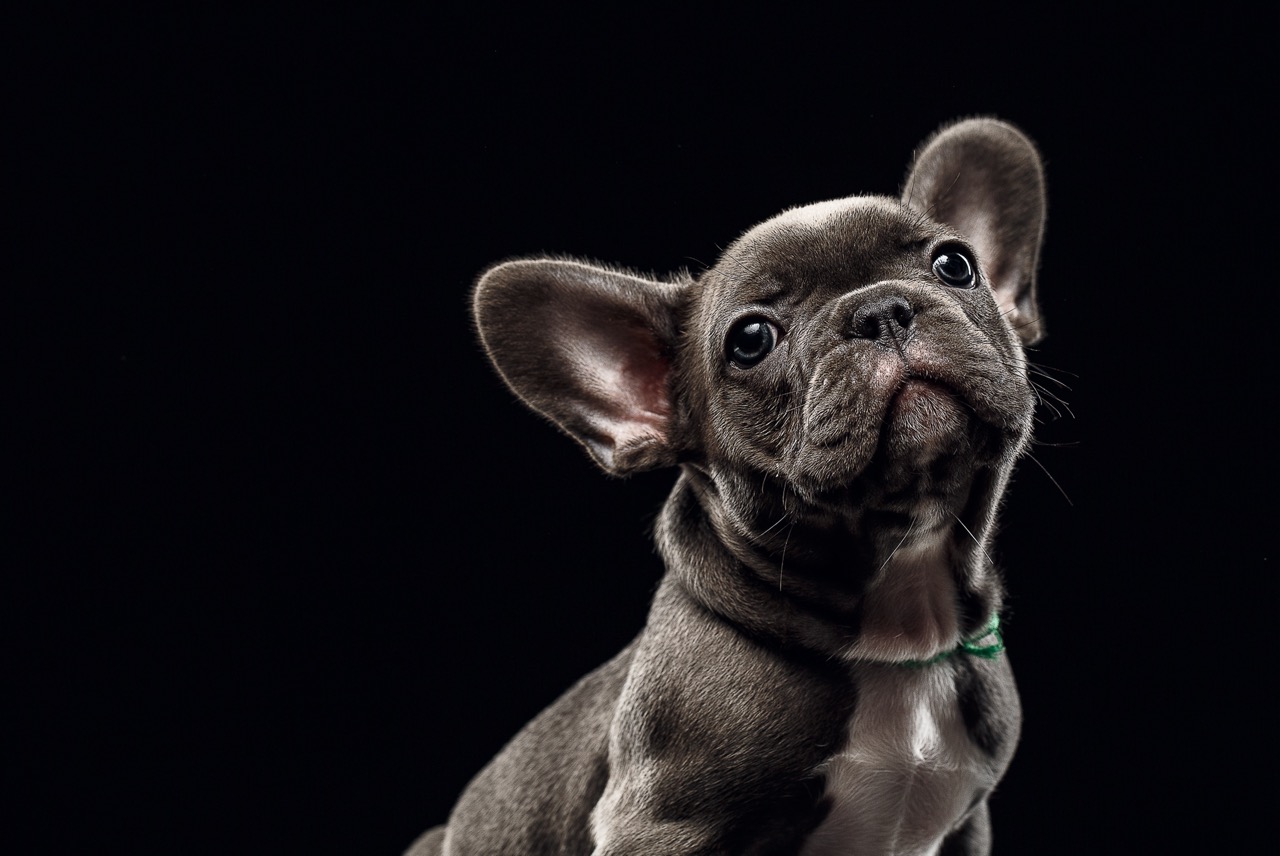
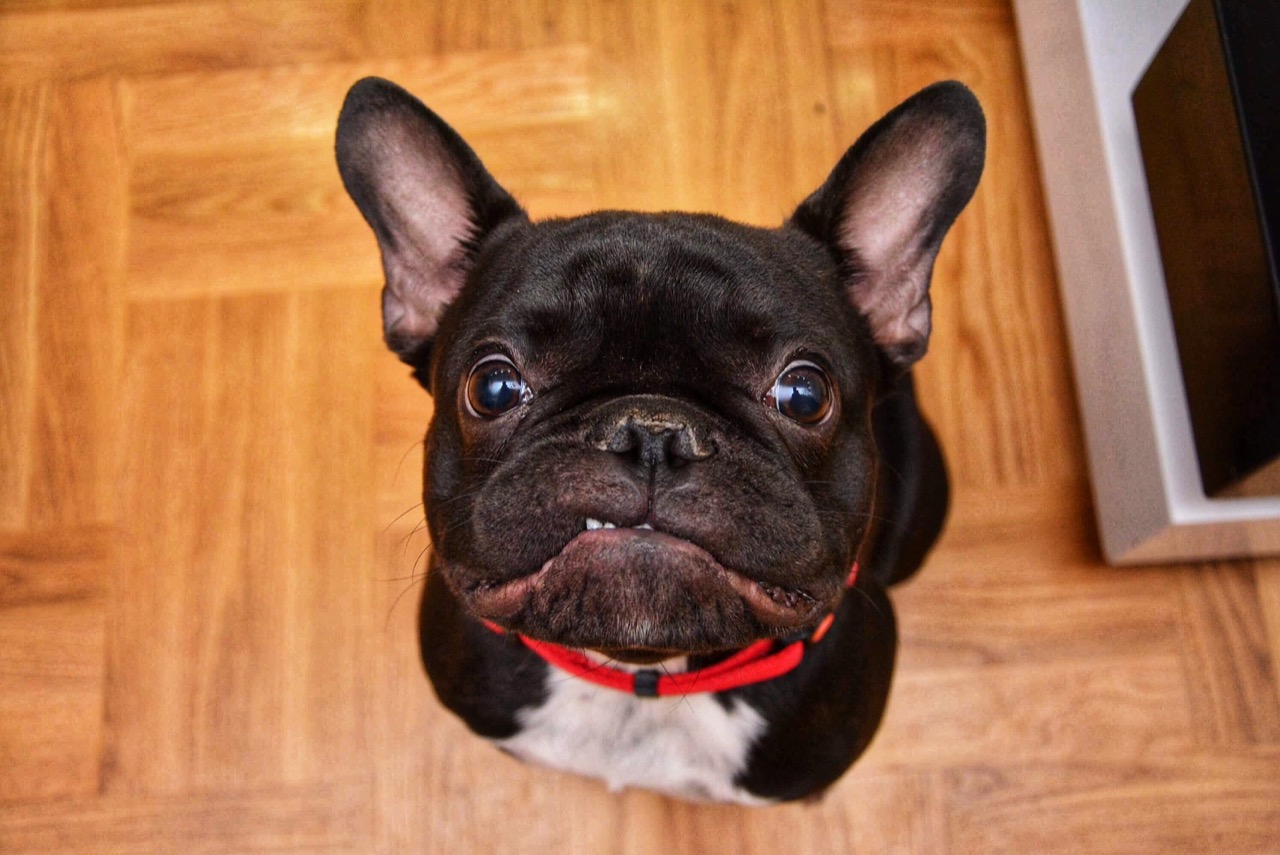
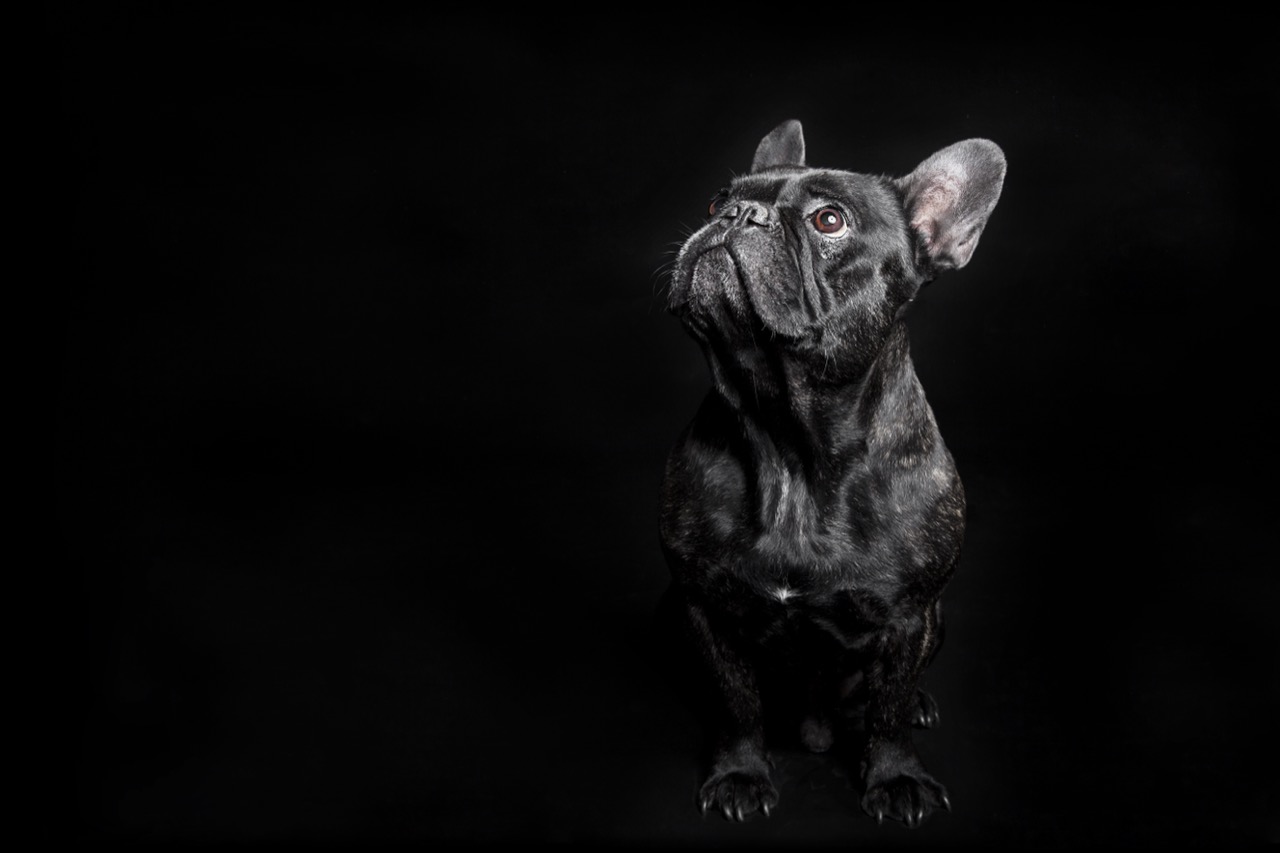
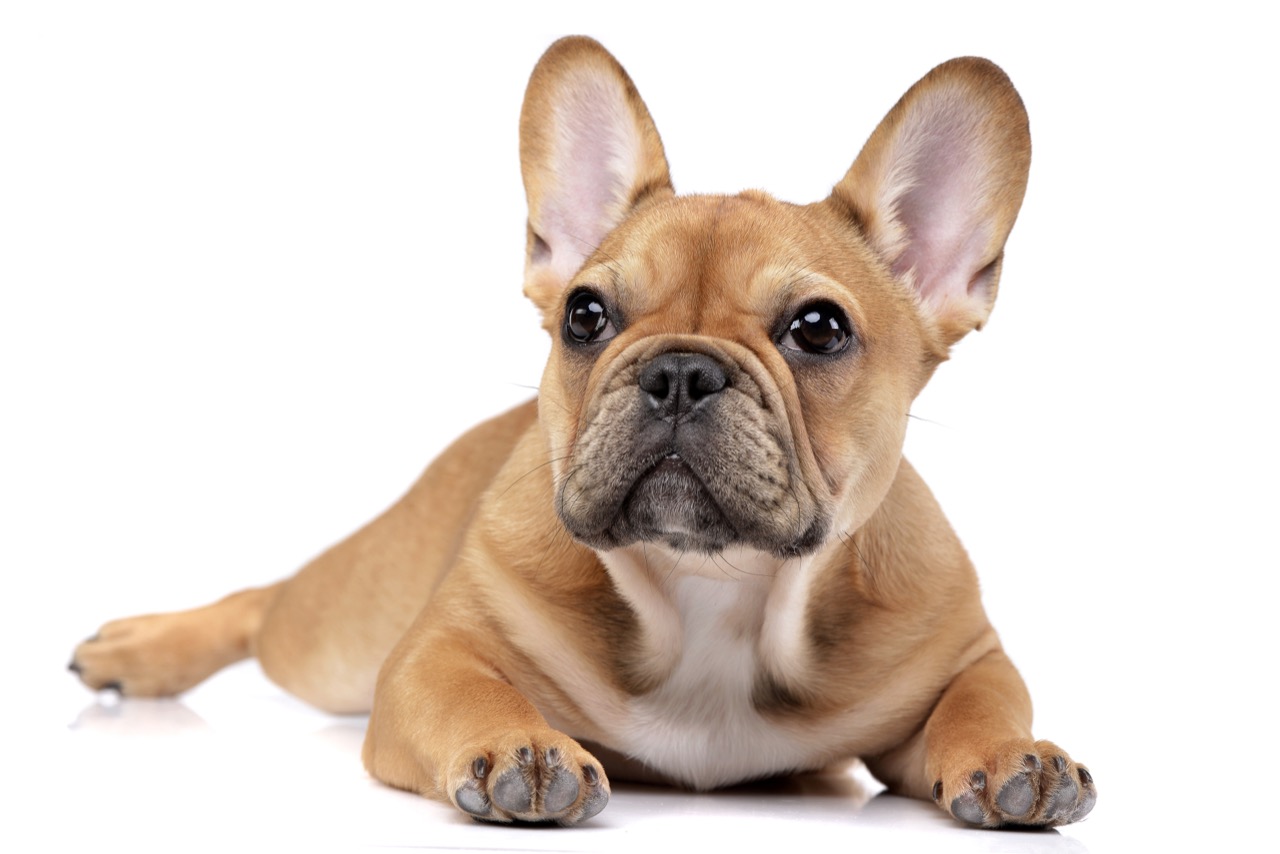
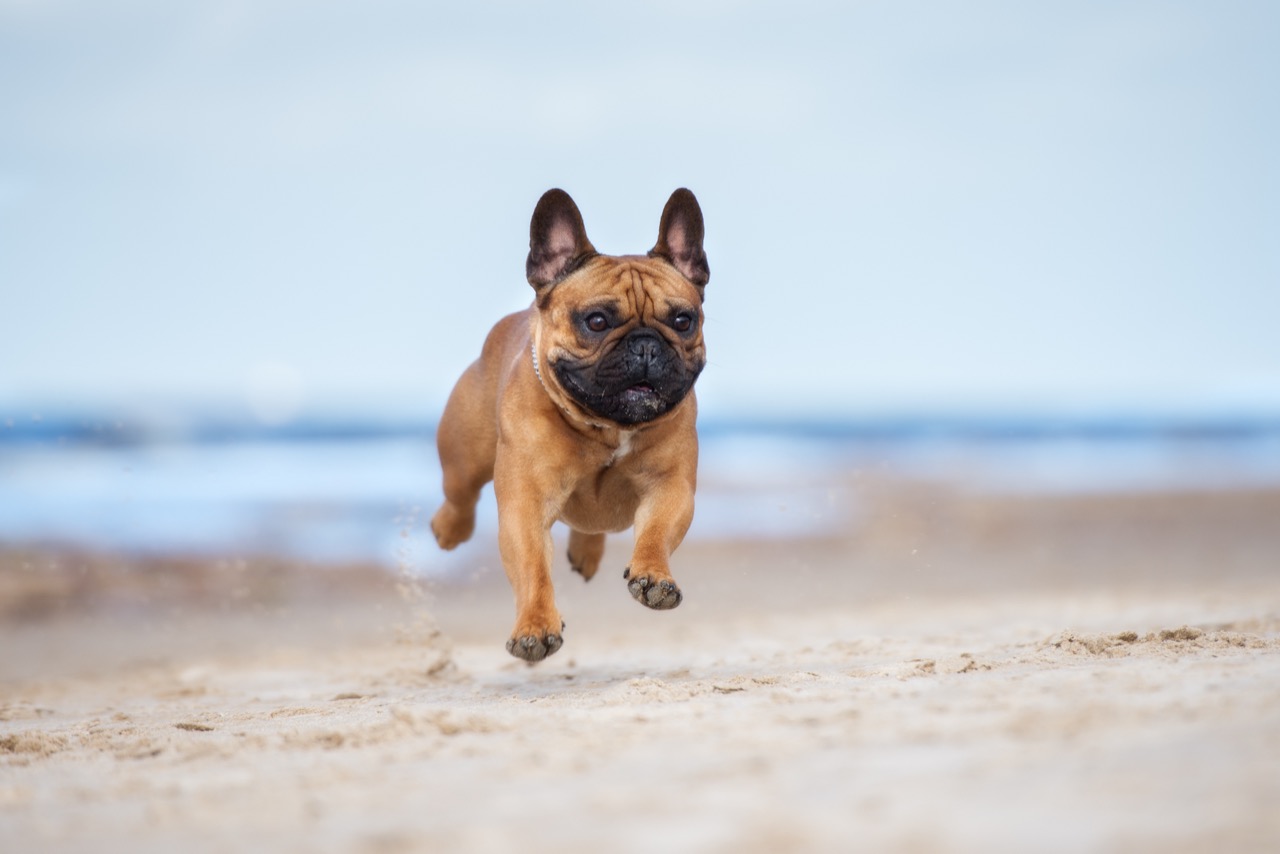
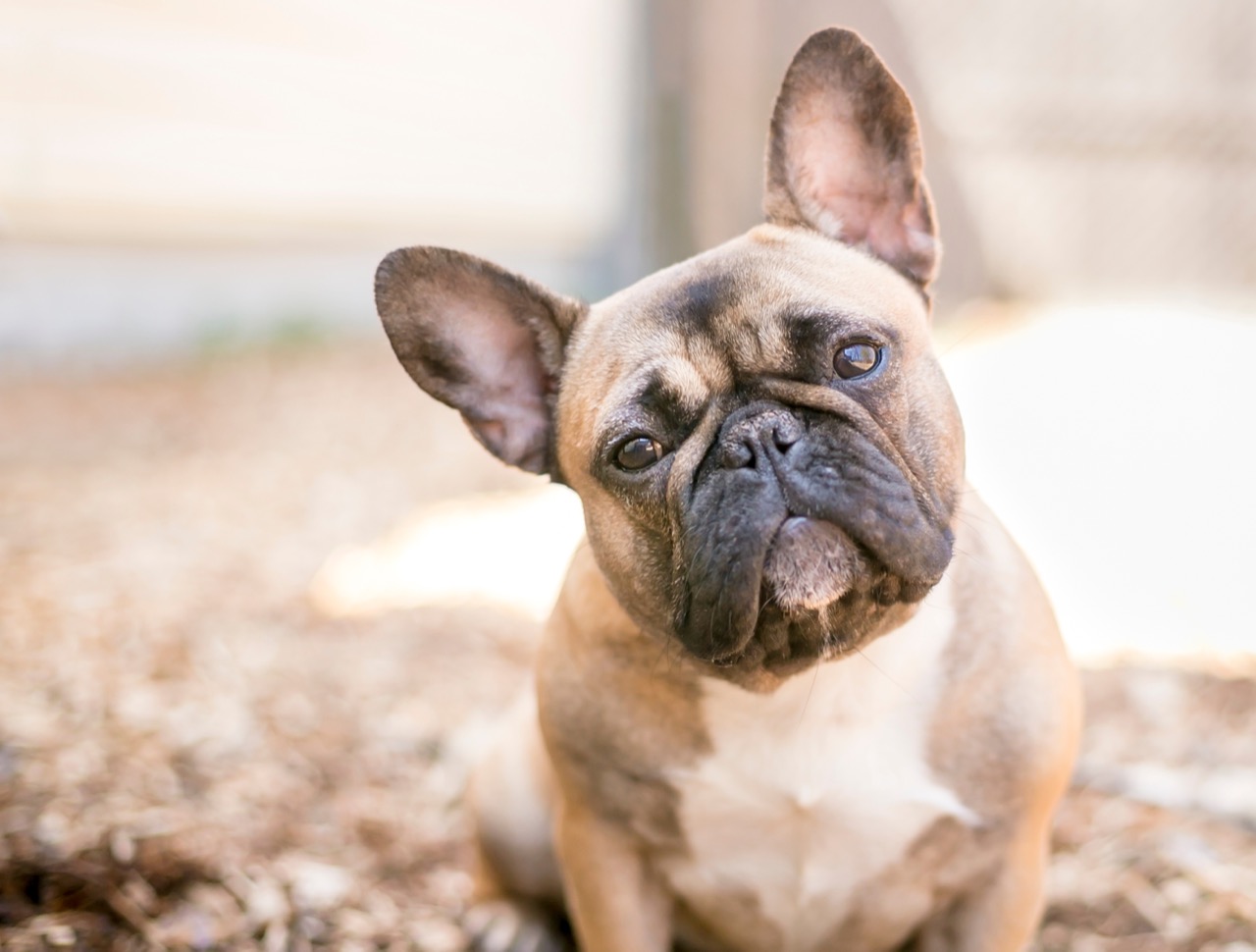
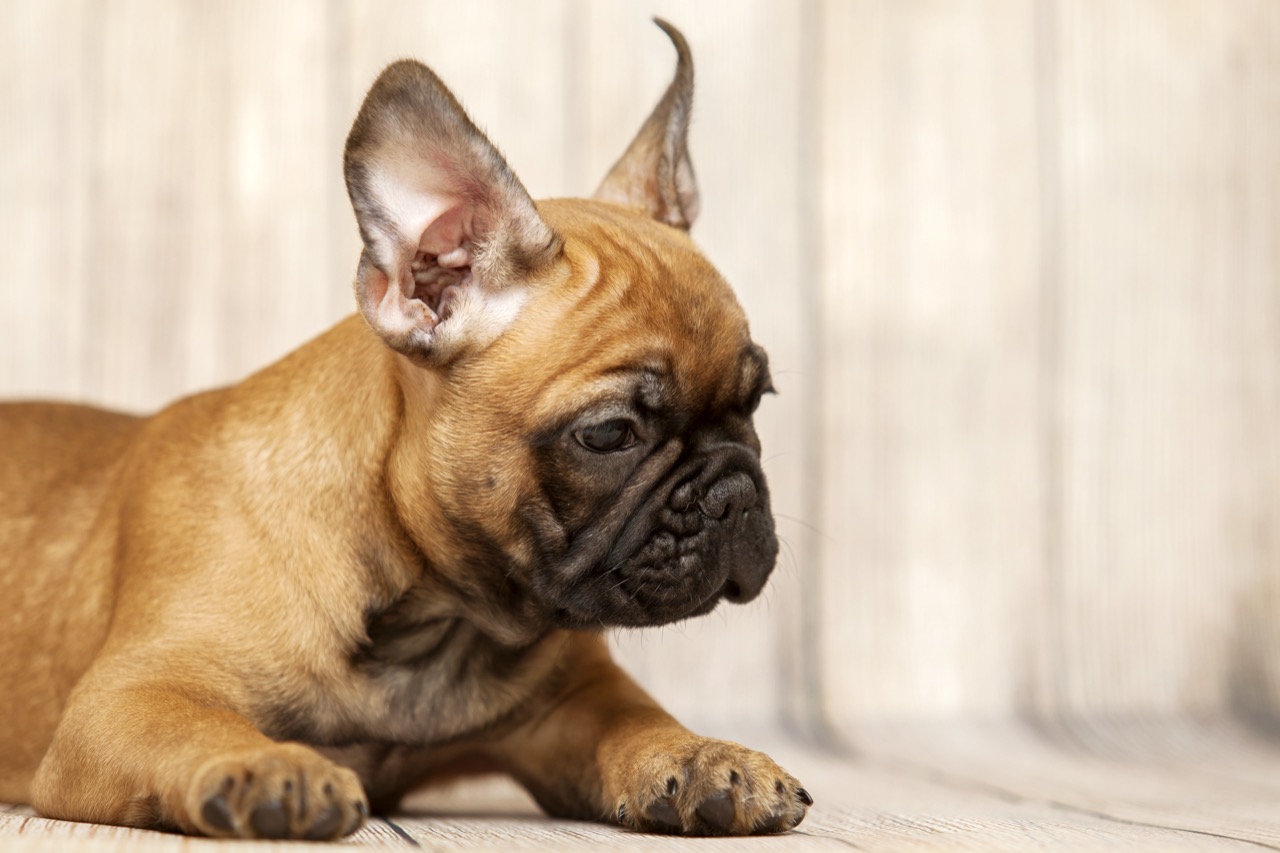
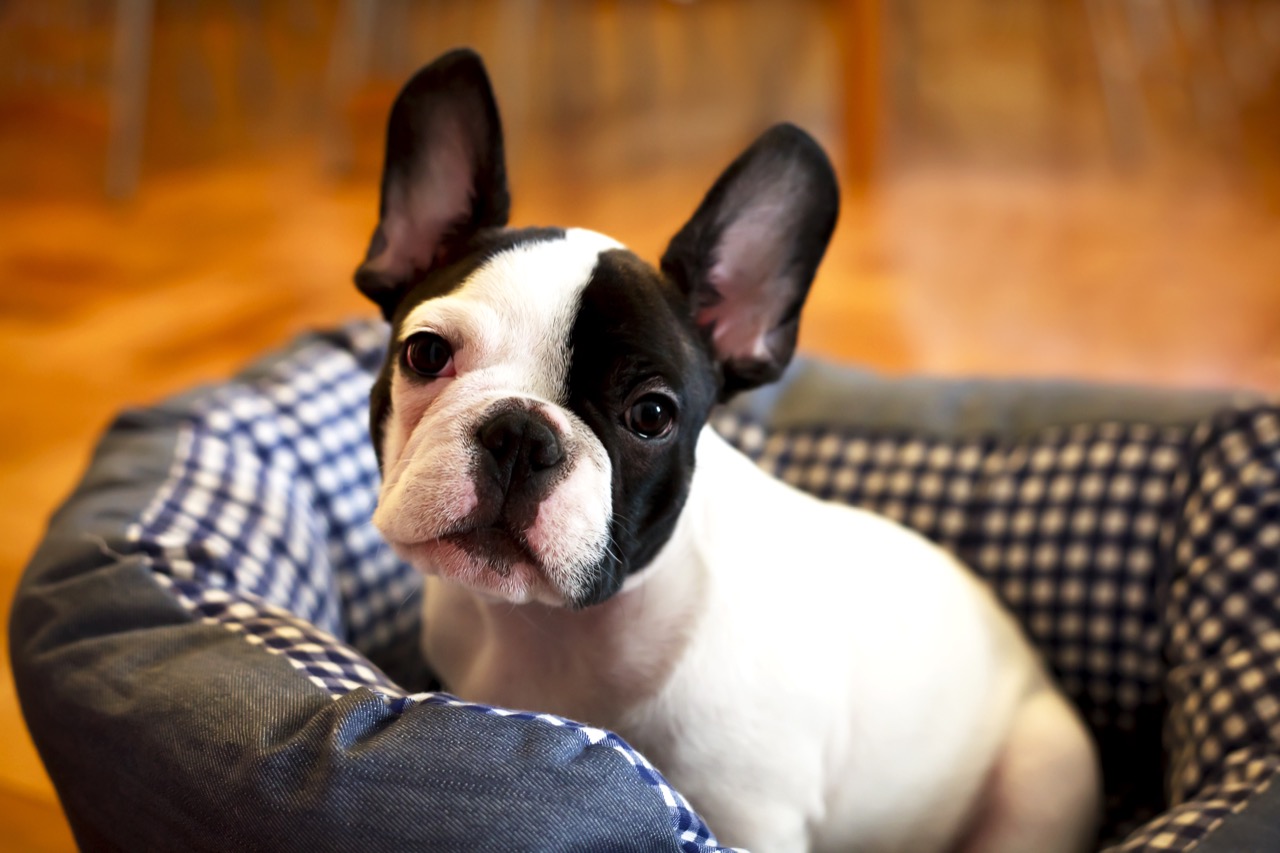
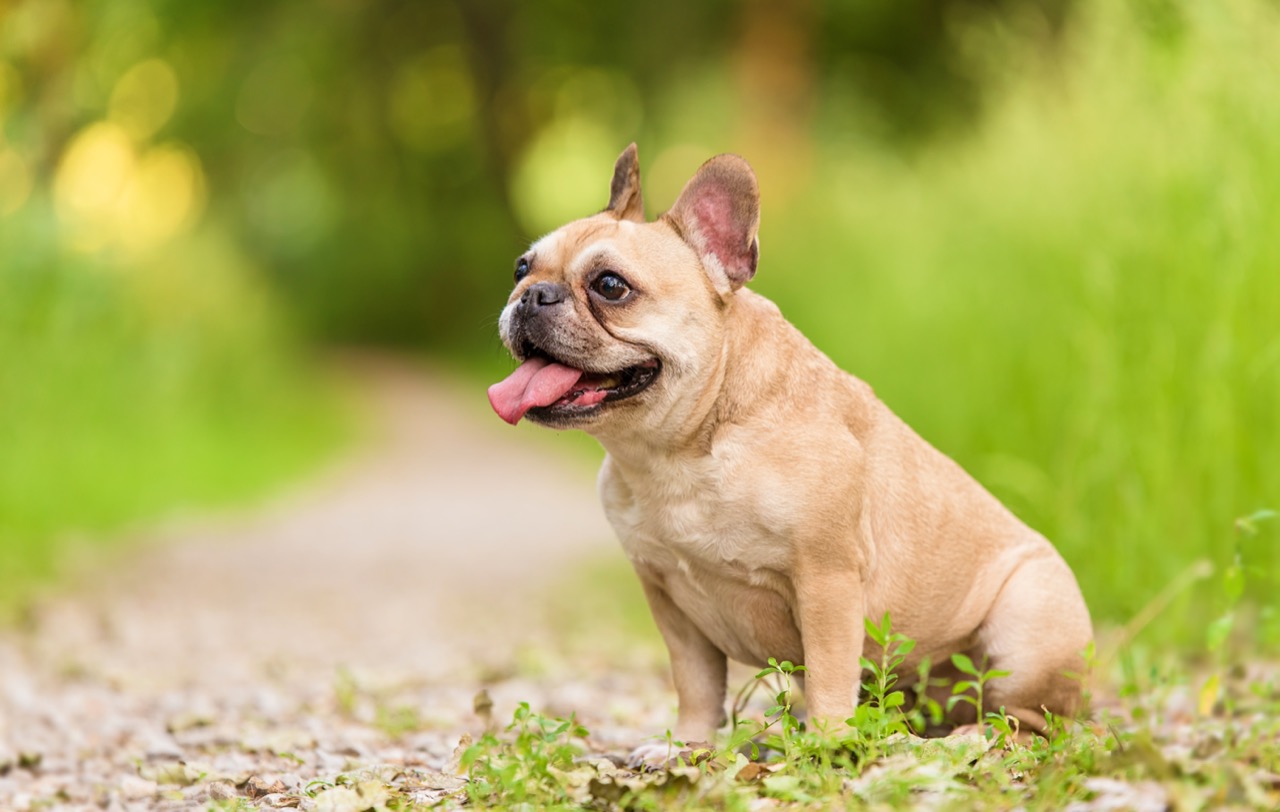
Their physical traits also make more sense when you picture the settings they lived in. The Frenchie’s sturdy build and broad chest reflect bulldog ancestry, selected for strength and resilience in a small package. A compact body is easier to manage in narrow streets, small apartments, and crowded workrooms. It also helped the dogs hold their own around the bustle of urban life, where they might encounter carts, other animals, and plenty of noise. The breed’s trademark bat ears were not the only ear type seen early on. Some dogs had folded rose ears, and it was American fanciers who insisted on the bat ear, founding the French Bull Dog Club of America in 1897 after a dispute over the issue.
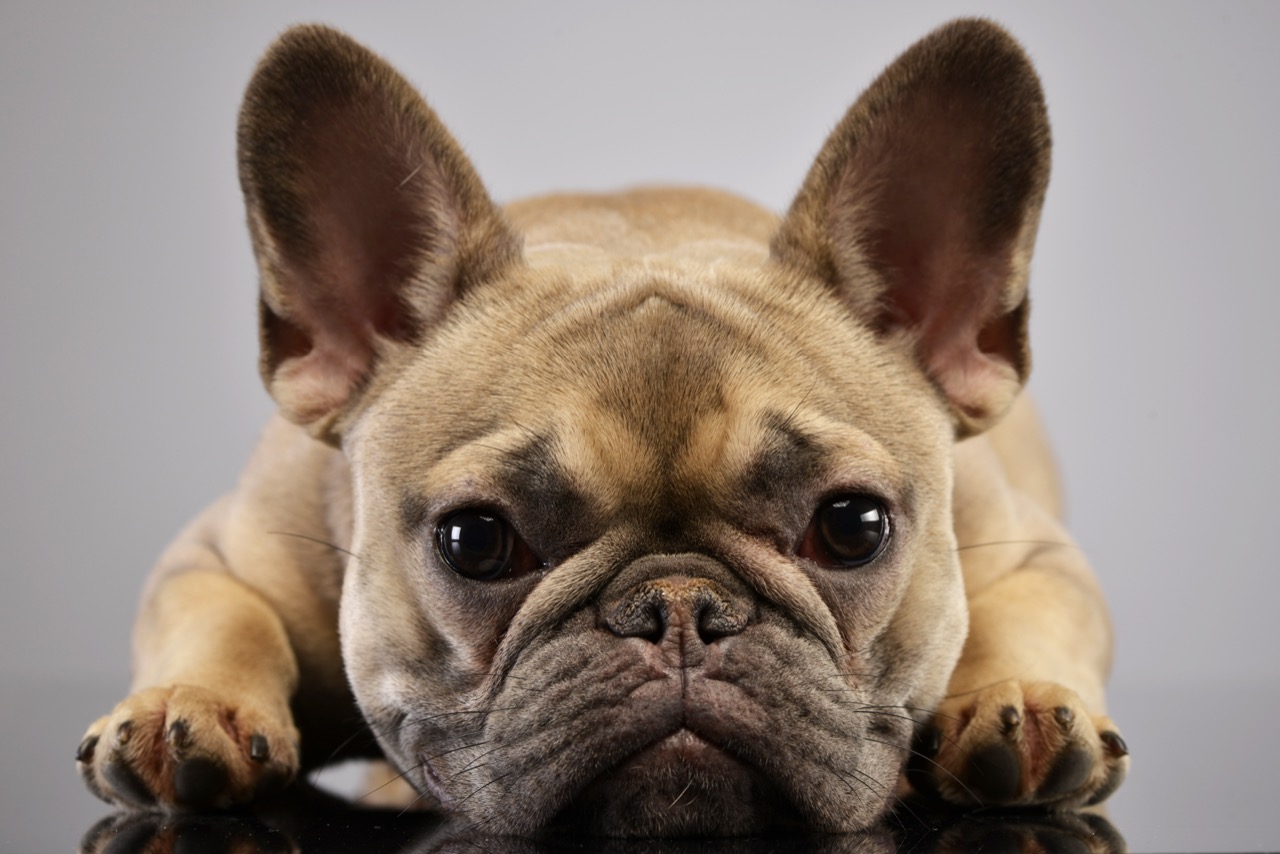
The brachycephalic head, with its shortened muzzle, is one of the most recognizable features, and it likely persisted because people found the look appealing and the dogs remained effective at their companion role. A shorter face can be associated with expressive eyes and a range of facial signals that humans interpret easily. In a workshop or city home, a dog that communicated clearly through expression could be especially valued. At the same time, modern owners should remember that this trait can come with health challenges, particularly around breathing and heat tolerance, which matters when choosing activities and environments.
French Bulldogs also became closely linked with urban social life in France, where they gained popularity among different groups and eventually moved from practical companions to fashionable ones. In Paris, the English dogs were reportedly crossed with local ratters, and Toulouse-Lautrec drew and painted Bouboule, the bulldog of café owner Madame Palmyre. Yet even as their status shifted, the original requirements still shaped them: a dog that bonds intensely, prefers being with people, and stays engaged with its surroundings. That is why many Frenchies today follow their owners from room to room, react quickly to changes in tone or routine, and seem happiest when included in daily life.
Understanding these working roots adds depth to the breed’s modern personality. The French Bulldog is not a generic lapdog by design, even if it enjoys a good nap. It is a product of human workplaces, dense neighborhoods, and constant companionship. When you connect their history to their body and behavior, the breed’s signature mix of sturdiness, alertness, and people centered charm stops being a mystery and starts looking like a job description written by city living itself.