Labrador Retriever Nose to Tail








Quiz Complete!
Spotting a Labrador Retriever by Looks: The Details That Define the Breed
At first glance, many medium to large sporting dogs can blur together, especially when they share friendly expressions and practical coats. The Labrador Retriever stands out once you know the specific combination of features that creates true Labrador type. A Labrador is built to work in water and field, and its appearance reflects that purpose in several consistent, easy to spot ways.
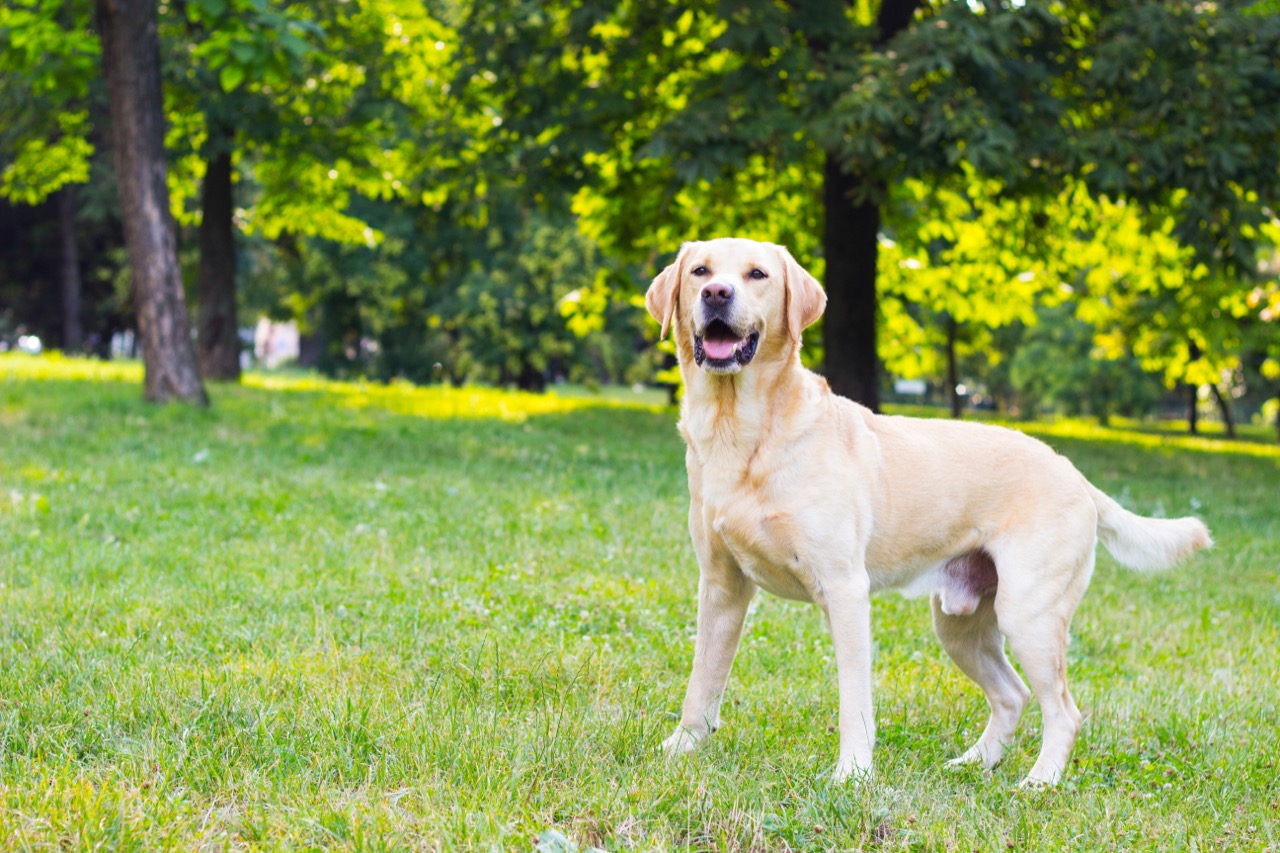
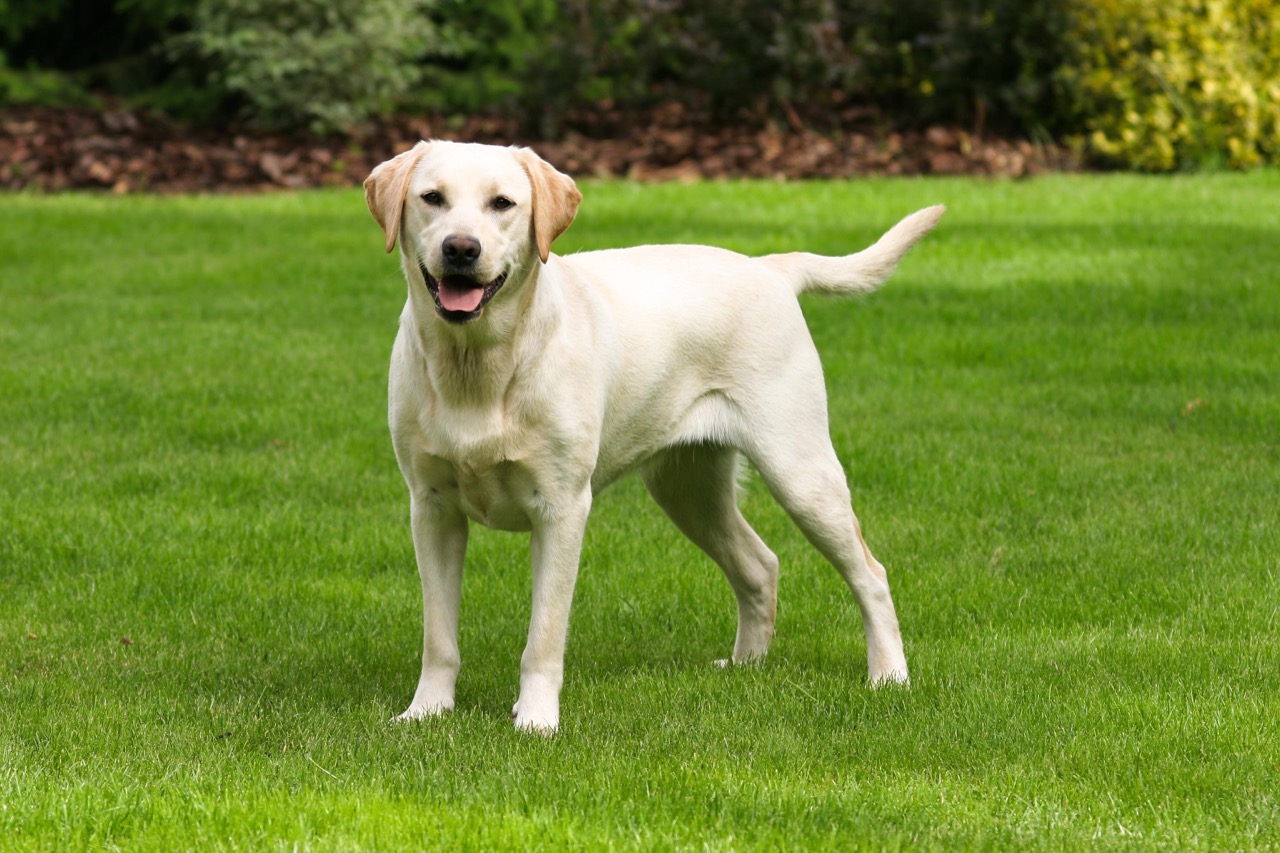
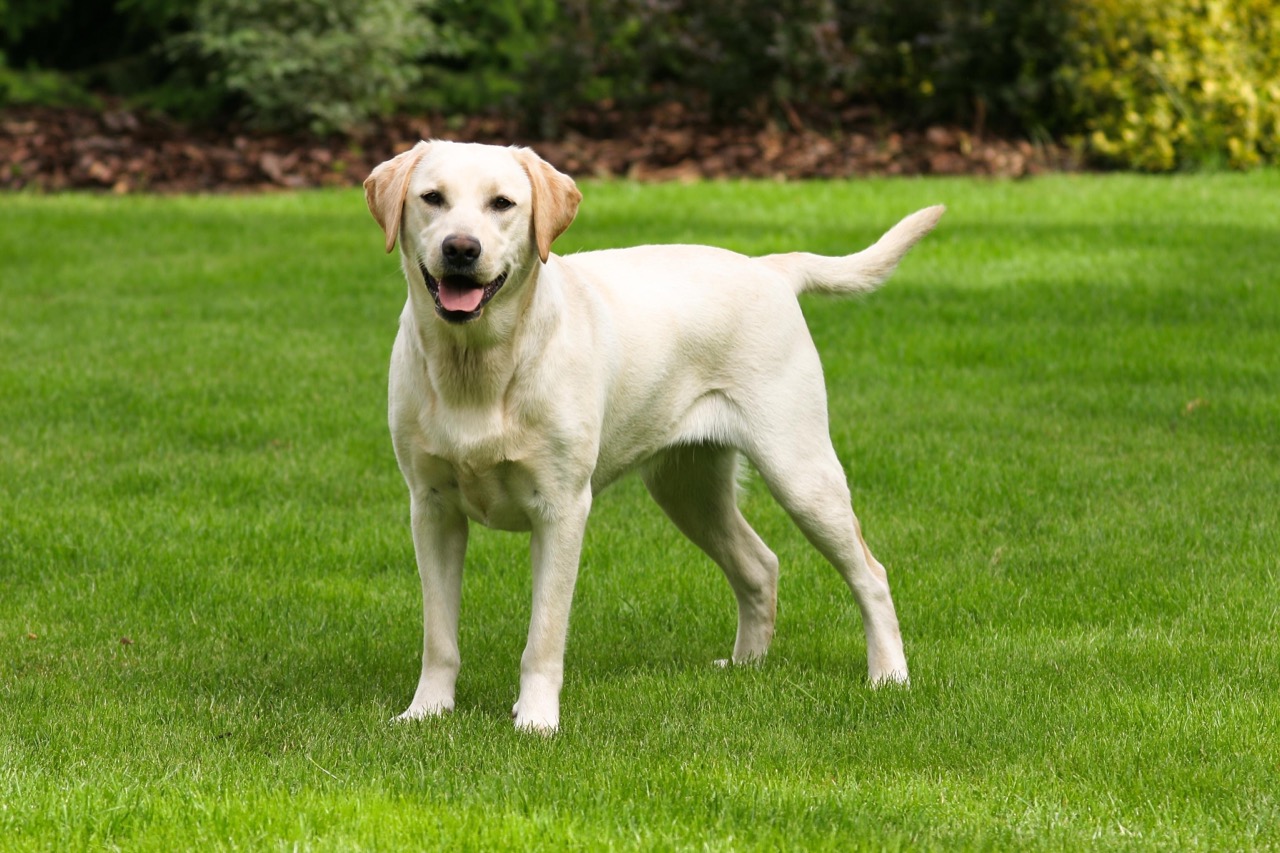
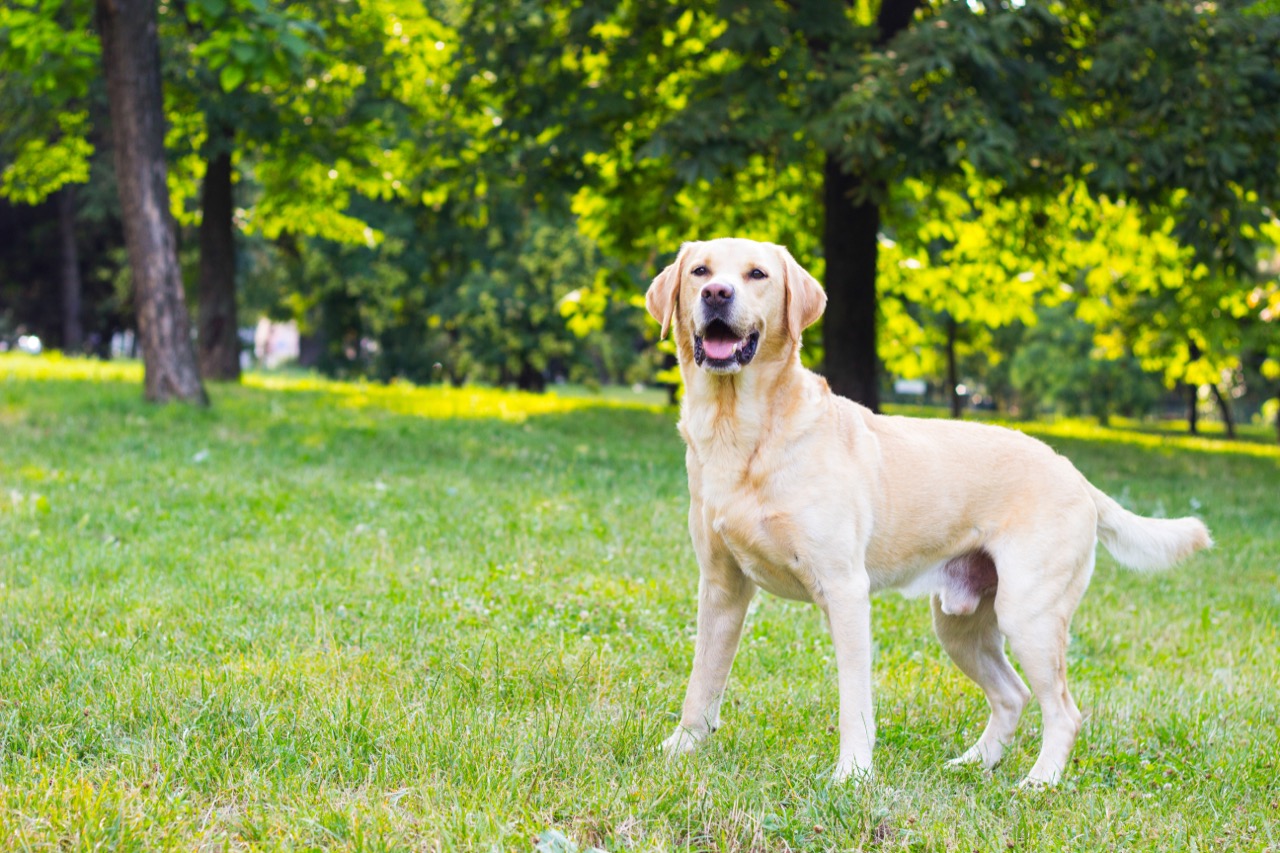
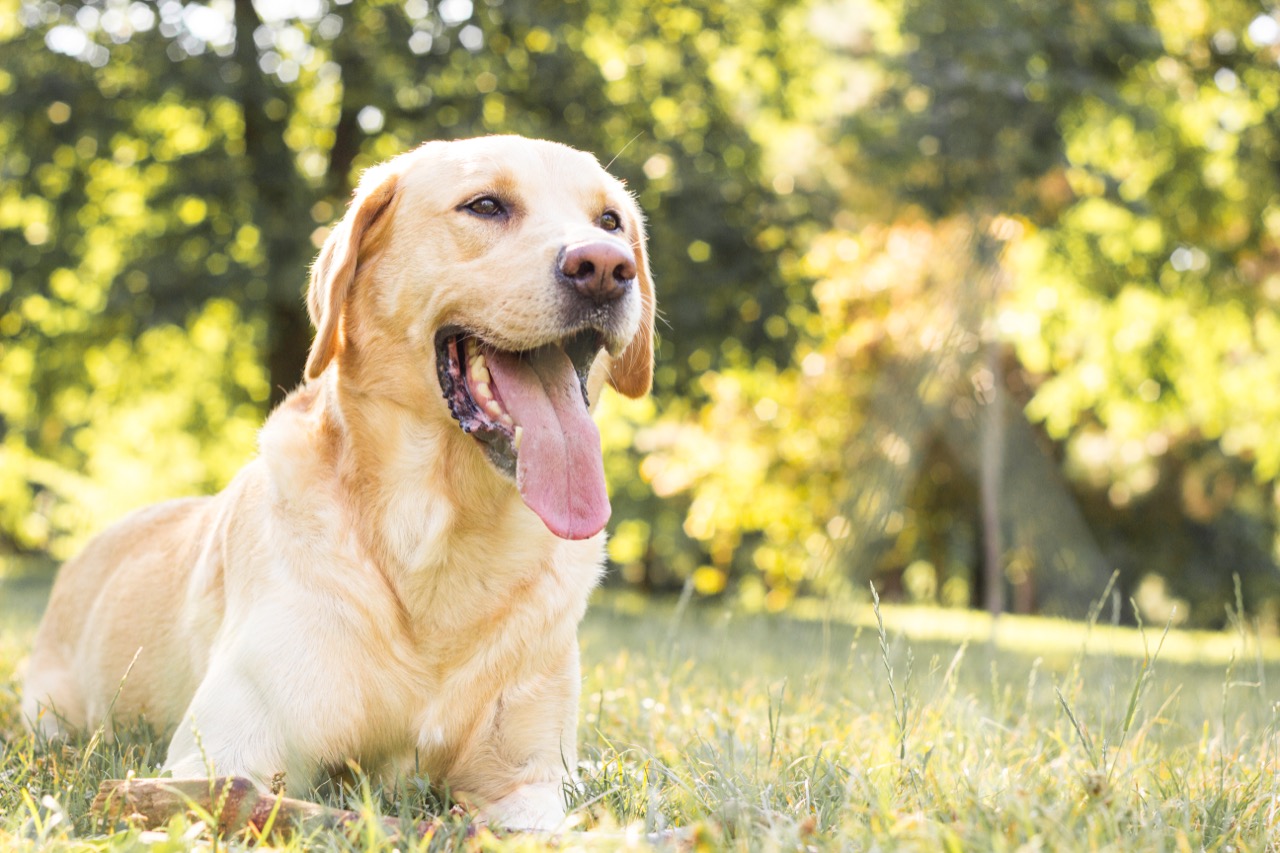
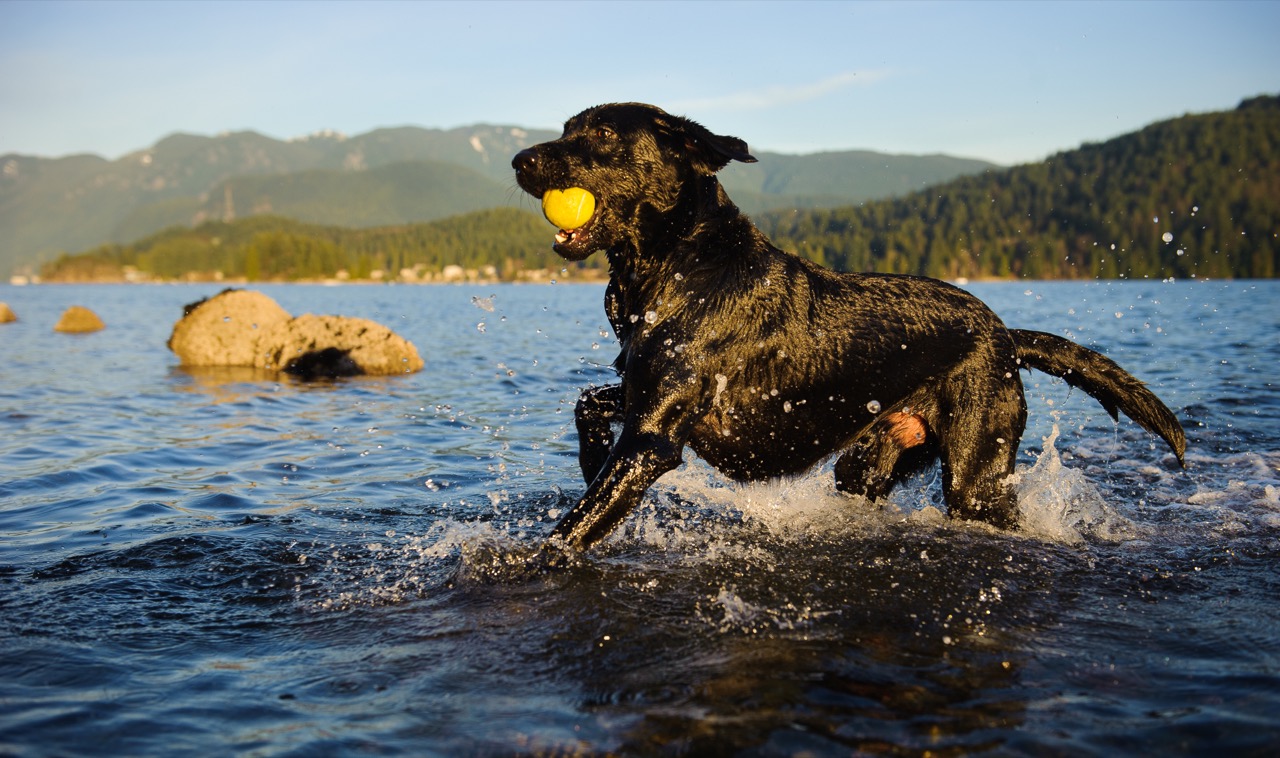
One of the clearest identifiers is the coat. Labradors have a short, dense double coat that lies close to the body. The outer coat feels firm rather than silky, and the undercoat is soft and insulating. This double coat is designed to shed water and provide warmth, so it tends to look neat and functional, not flowing or feathered. If you see obvious feathering on the legs, tail, or chest, you are likely looking at a Golden Retriever or another long coated breed rather than a Labrador.
Color helps, but it is not the whole story. The commonly recognized Labrador colors are black, yellow, and chocolate. Yellow can range from very pale to fox red, which surprises people who assume yellow means only a light cream shade. Chocolate varies from lighter to darker brown. You may hear claims about rare colors, but many unusual shades fall outside typical breed descriptions or indicate mixed ancestry. Small white markings can occur, especially a tiny spot on the chest, but large areas of white are not typical.
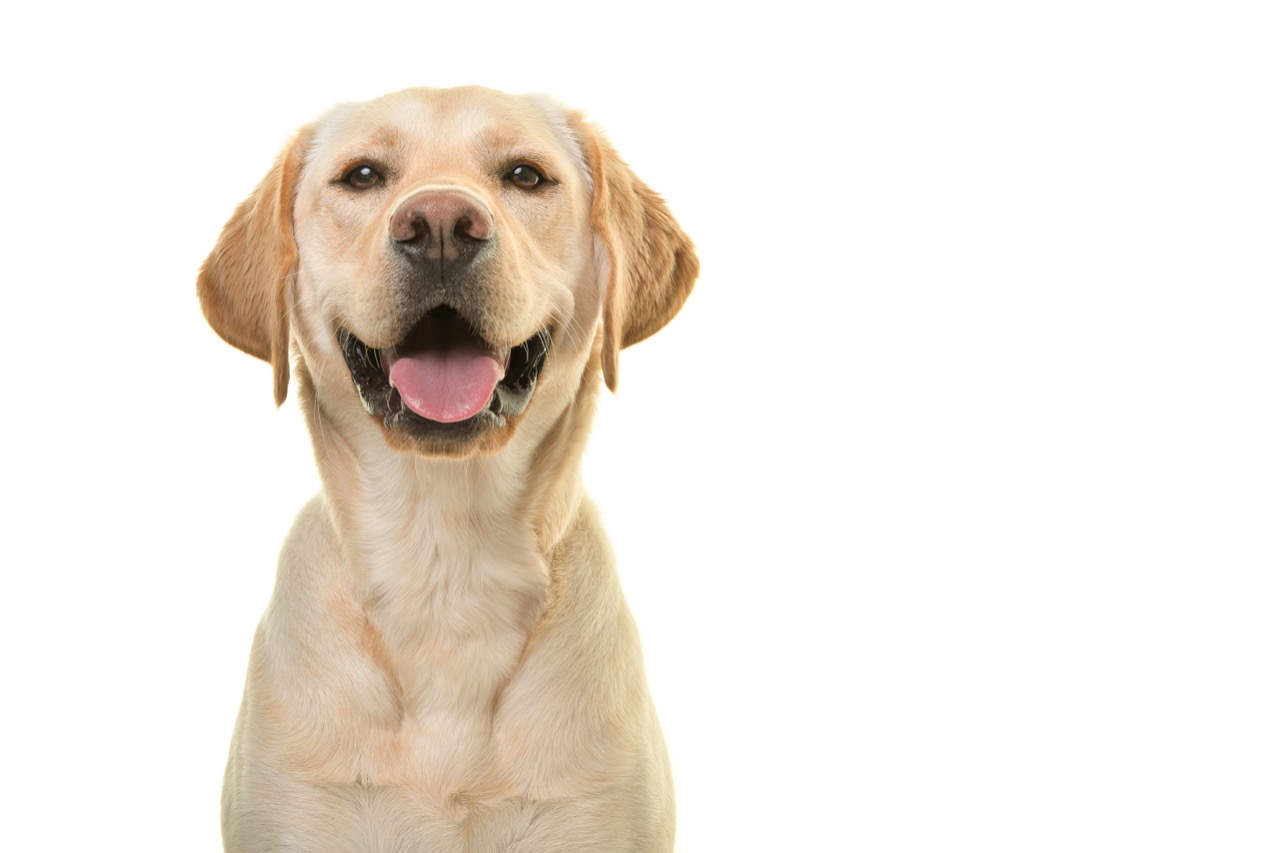
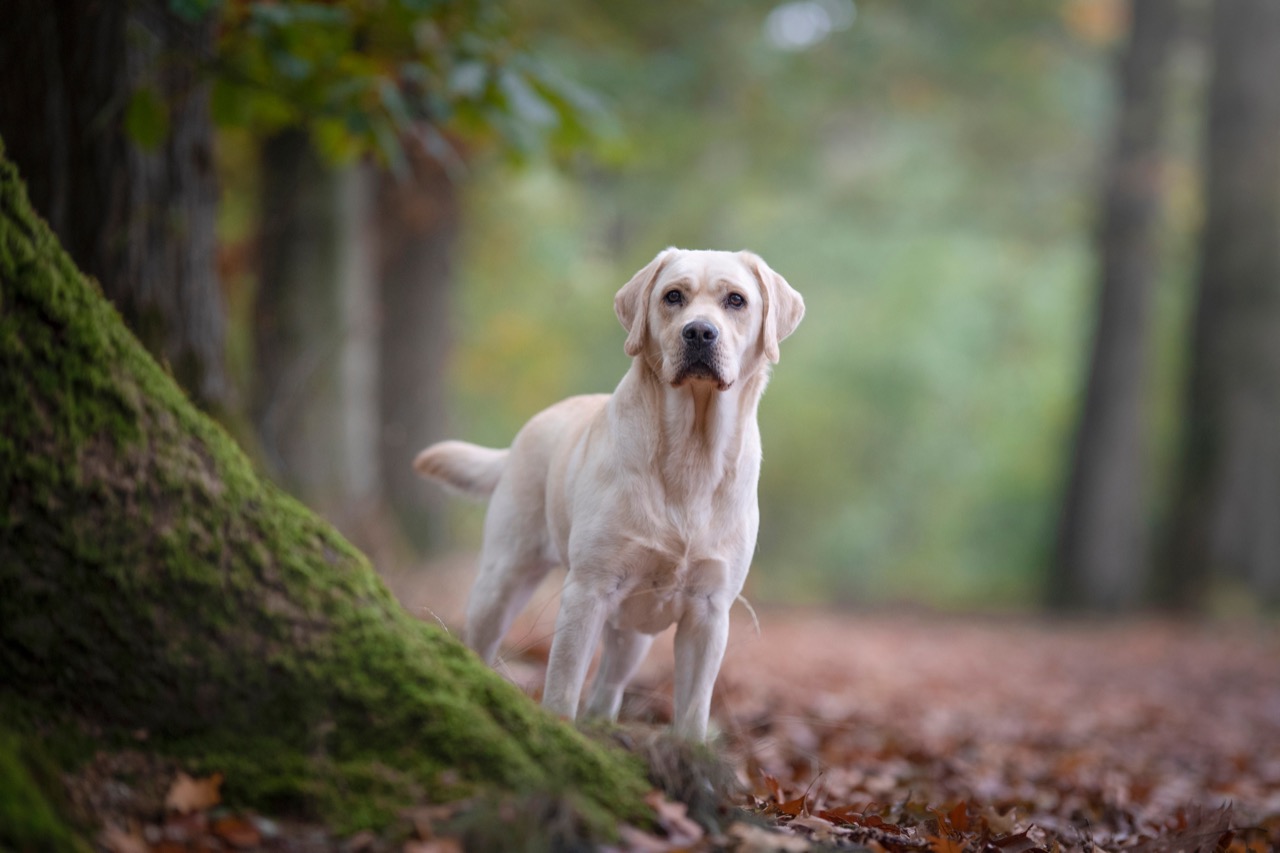
The head is another hallmark. Labradors have a broad skull with a defined but not abrupt stop, and a muzzle that is substantial without being long and narrow. The expression is often described as kind and intelligent. The ears are medium sized and set rather far back, hanging close to the head rather than standing upright. Eye color is usually brown or hazel, and extremely light eyes can look striking but are less typical of the classic Labrador look.
If there is one feature people love to mention, it is the tail. The Labrador tail is thick at the base and tapers toward the tip, carried level with the back rather than curled over it. It is covered in short, dense hair, giving it a rounded appearance often compared to an otter tail. This is a practical tool for swimming, acting like a rudder. A long, thin tail with flowing hair suggests a different retriever type, while a tightly curled tail points away from Labrador ancestry.
Body shape matters because it is easy to confuse a Labrador with other athletic breeds. Labradors are sturdy and well balanced, with a deep chest and strong neck and shoulders. They should look capable of endurance rather than built for extreme speed. Some dogs marketed as Labradors are much taller and narrower, which can resemble pointer type dogs. Others are very stocky, reflecting different breeding styles, but even then the overall outline should look powerful and athletic rather than heavy and cumbersome.
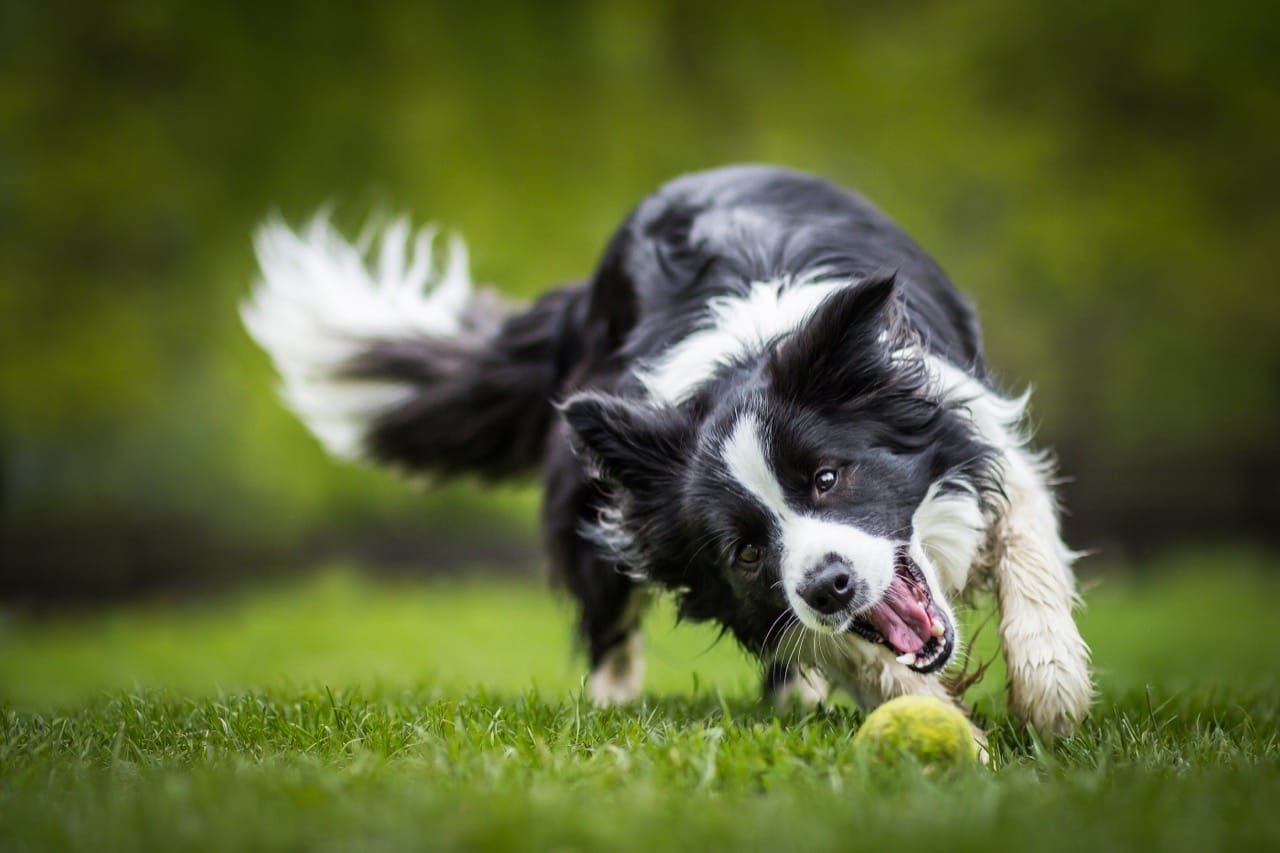
Comparing Labradors to their common lookalikes makes the key traits pop. Golden Retrievers share the friendly retriever vibe, but their longer coat and feathering are immediate giveaways. Flat Coated Retrievers are usually black or liver and have a longer, smoother coat and a more refined head. Chesapeake Bay Retrievers can look similar in purpose, yet their coat often has a distinctive wavy, oily texture and their expression can appear more intense. Curly Coated Retrievers are unmistakable once you notice the tight curls. Even some bully breed mixes are mistaken for Labradors because of a short coat and solid color, but the head shape, ear set, and tail structure often differ.
When you take a Labrador looks quiz, the best approach is to stack traits rather than rely on a single clue. Ask yourself: Is the coat short, dense, and double, without feathering? Is the head broad with a substantial muzzle and soft expression? Is the tail thick, straight, and otter like? Does the dog have a sturdy, athletic outline built for retrieving and swimming? When those details add up, you are not just guessing, you are recognizing what makes a Lab a Lab.