Jack Russell Patches and Coats
Quiz Complete!
How to Recognize the Jack Russell Terrier Look at a Glance
A Jack Russell Terrier can look like a simple small white-and-tan dog until you learn the visual clues that separate a true Jack Russell type from other small terriers. The breed’s look was shaped by work, not fashion, so most of its trademarks are practical: a body built for speed and quick turns, a coat that protects without slowing the dog down, and markings that stay visible in the field.
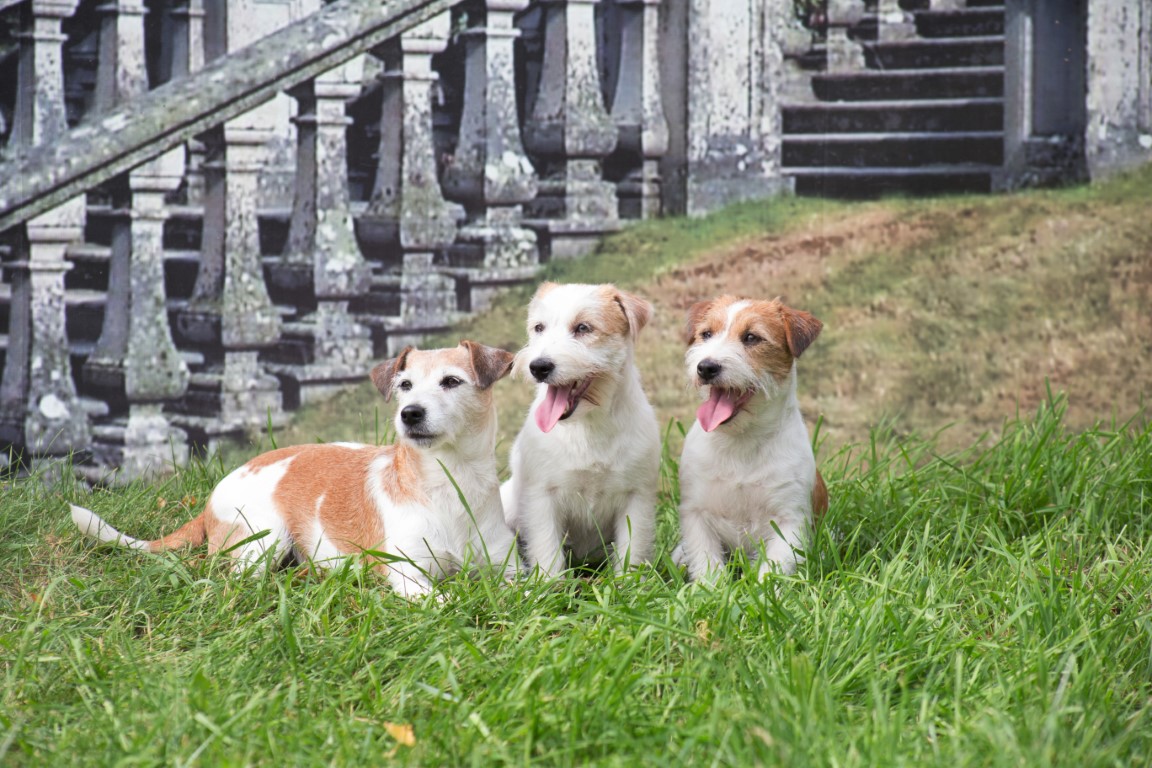
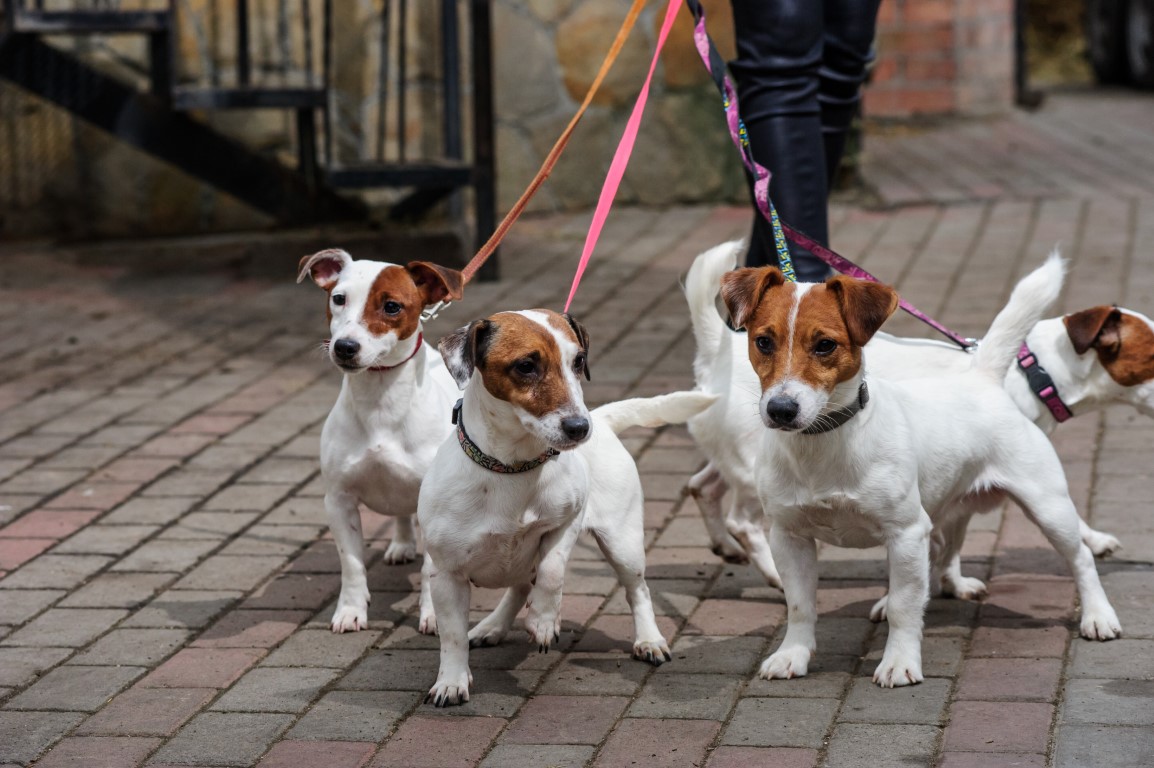
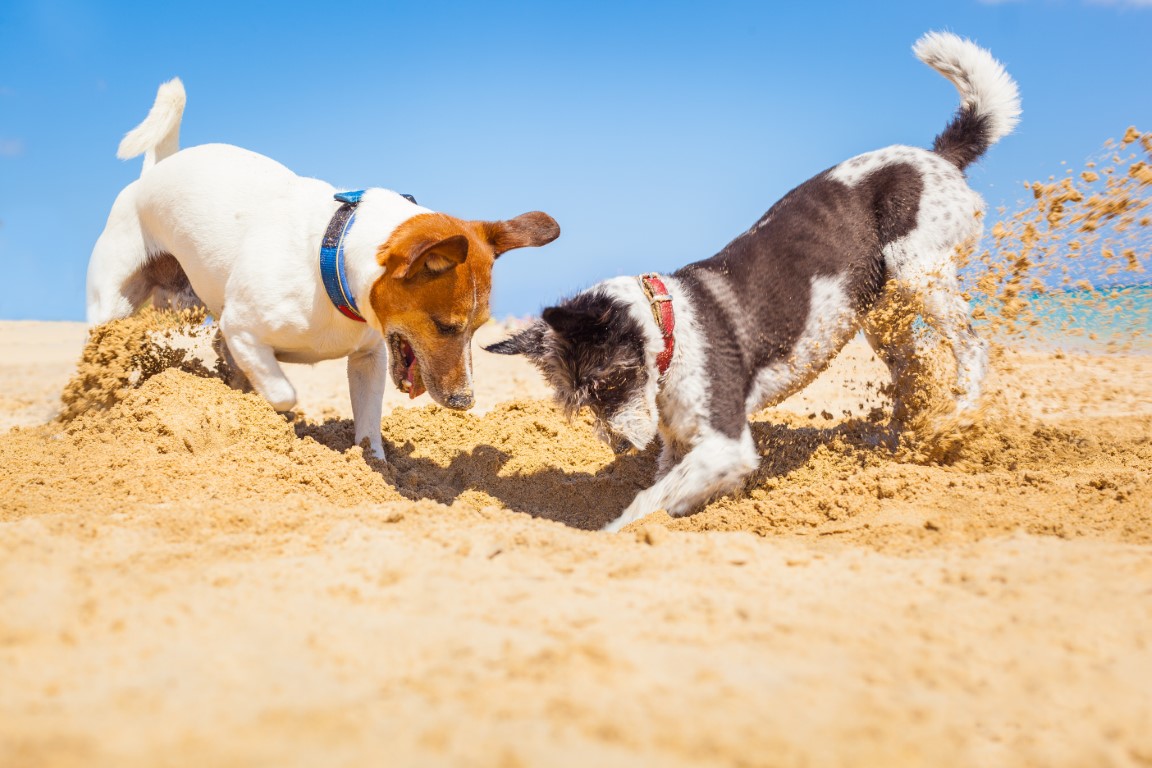
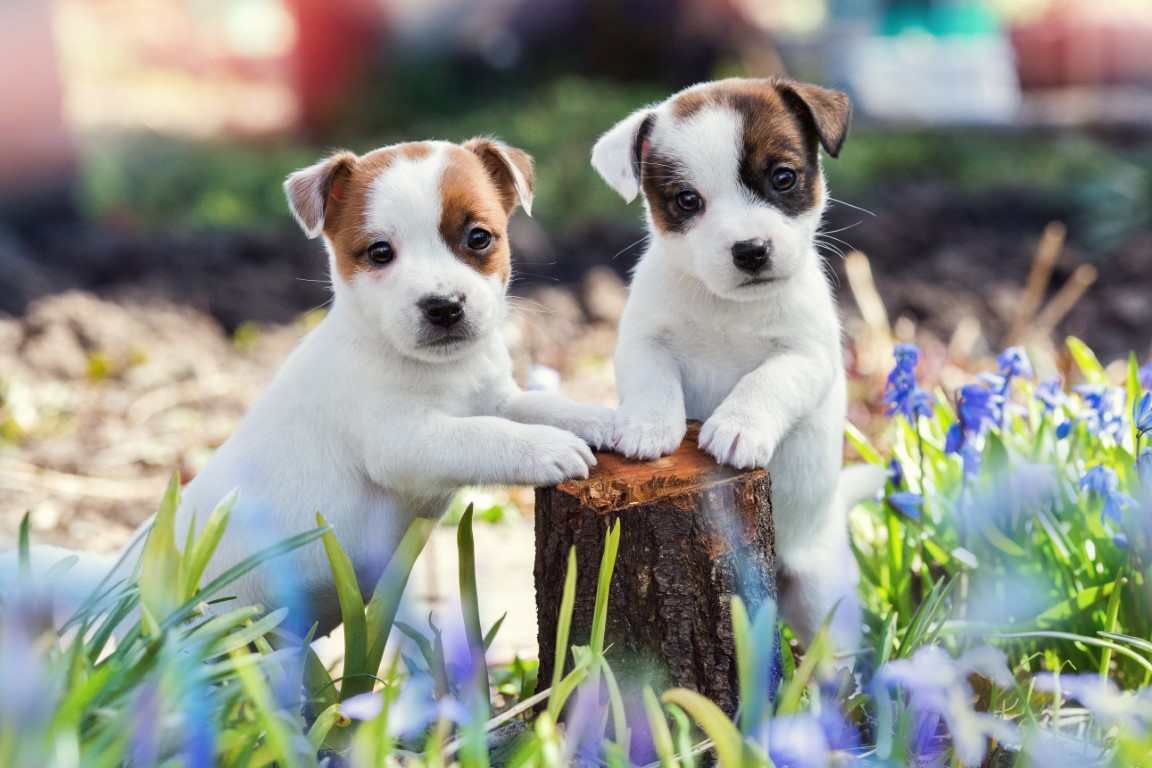
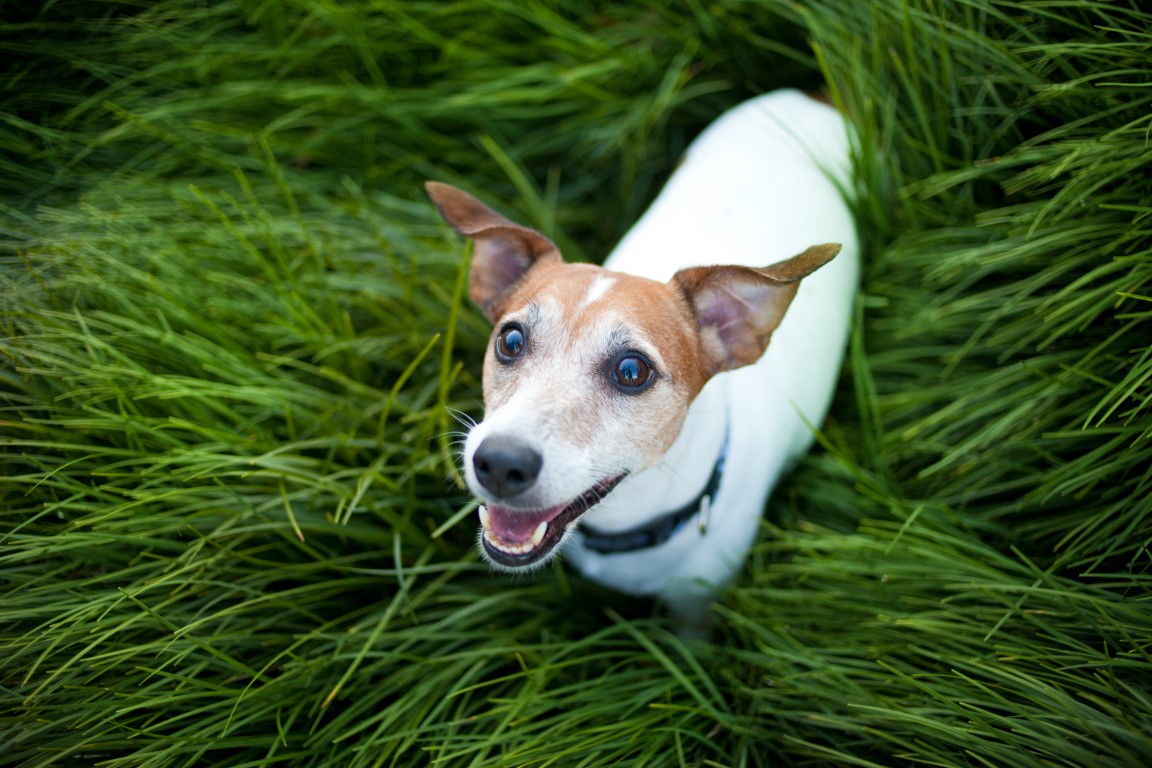
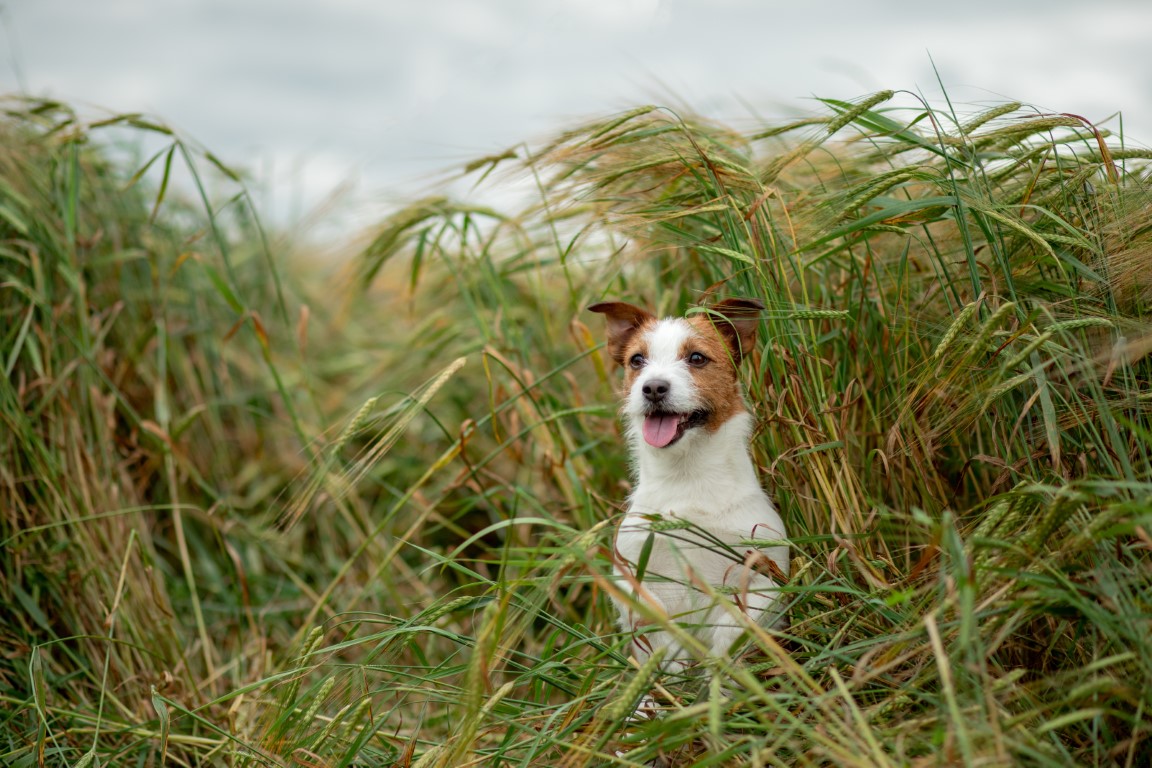
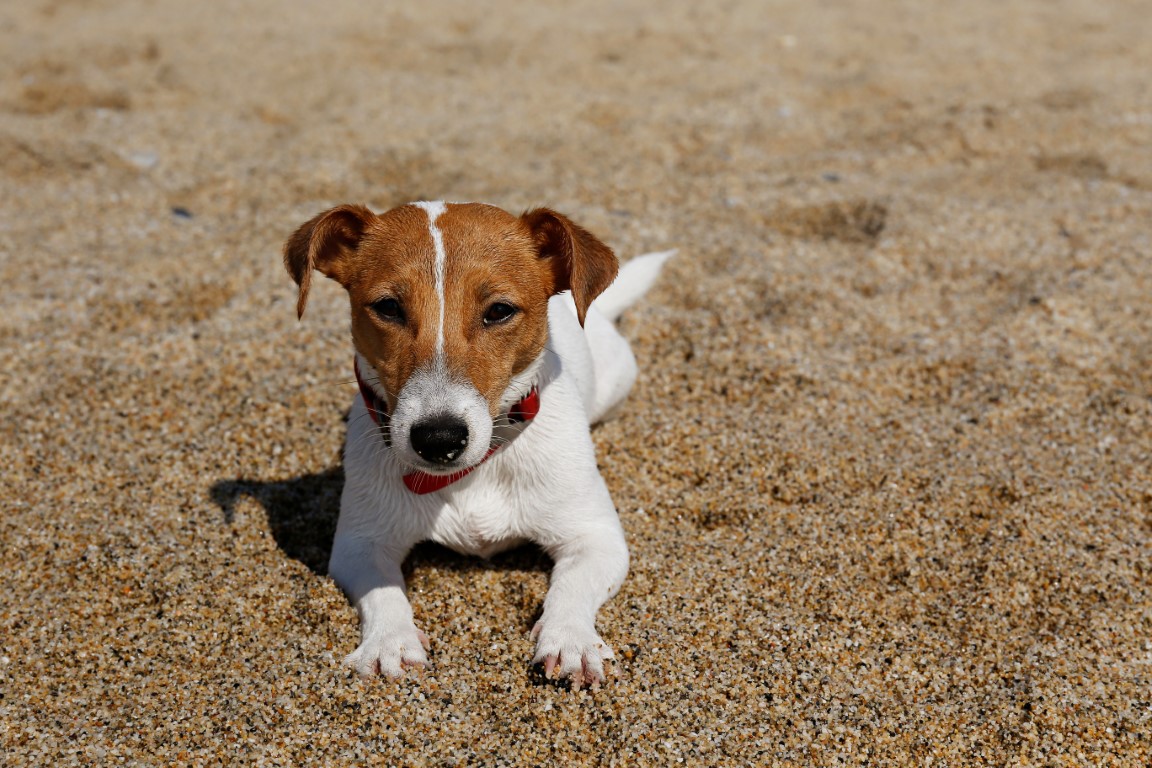
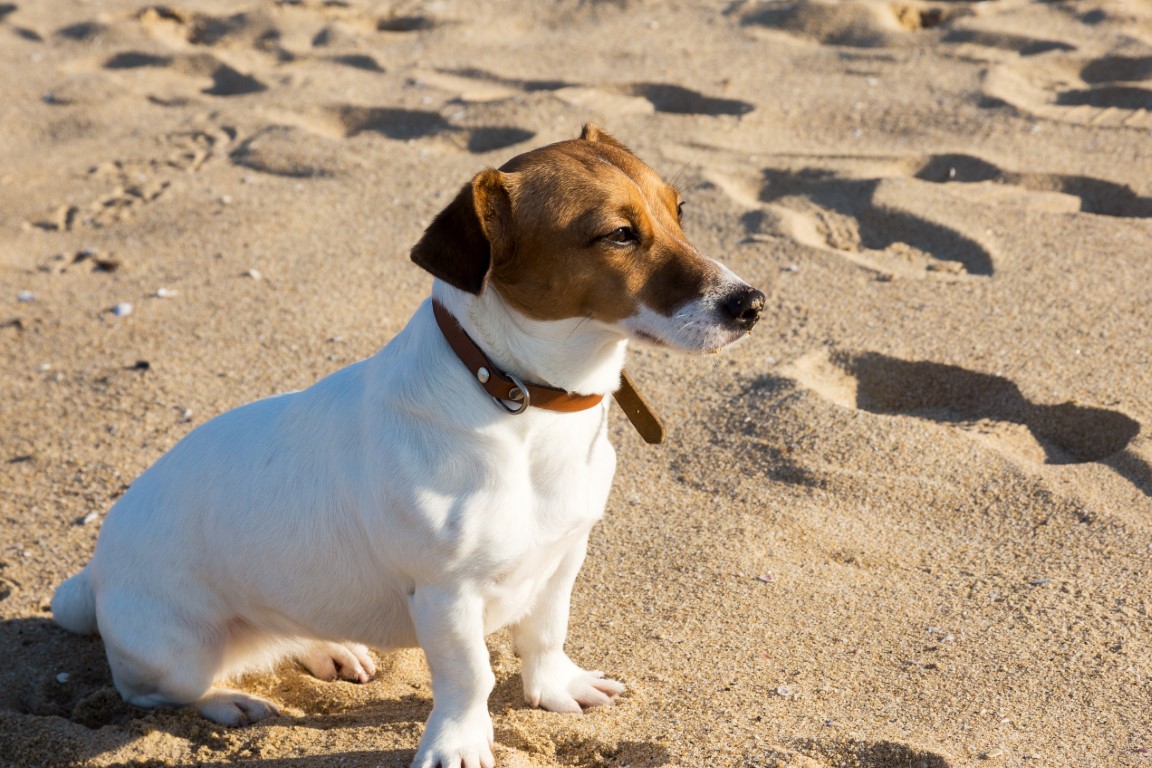
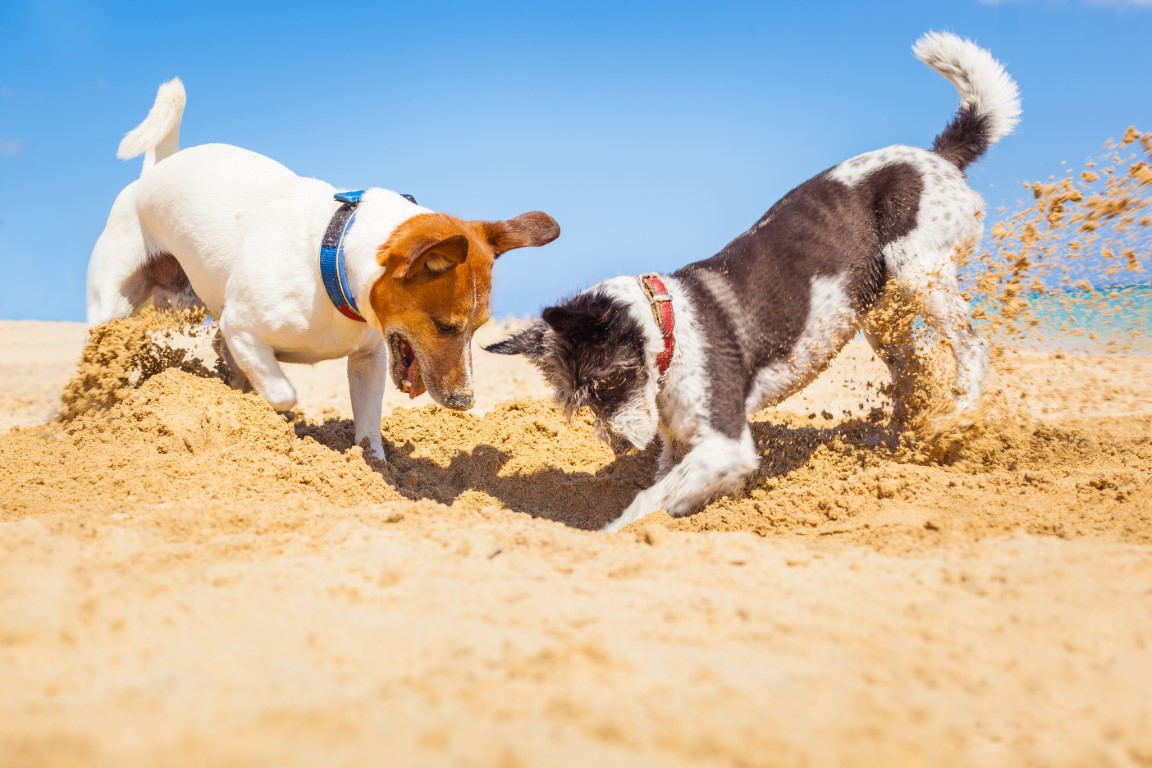
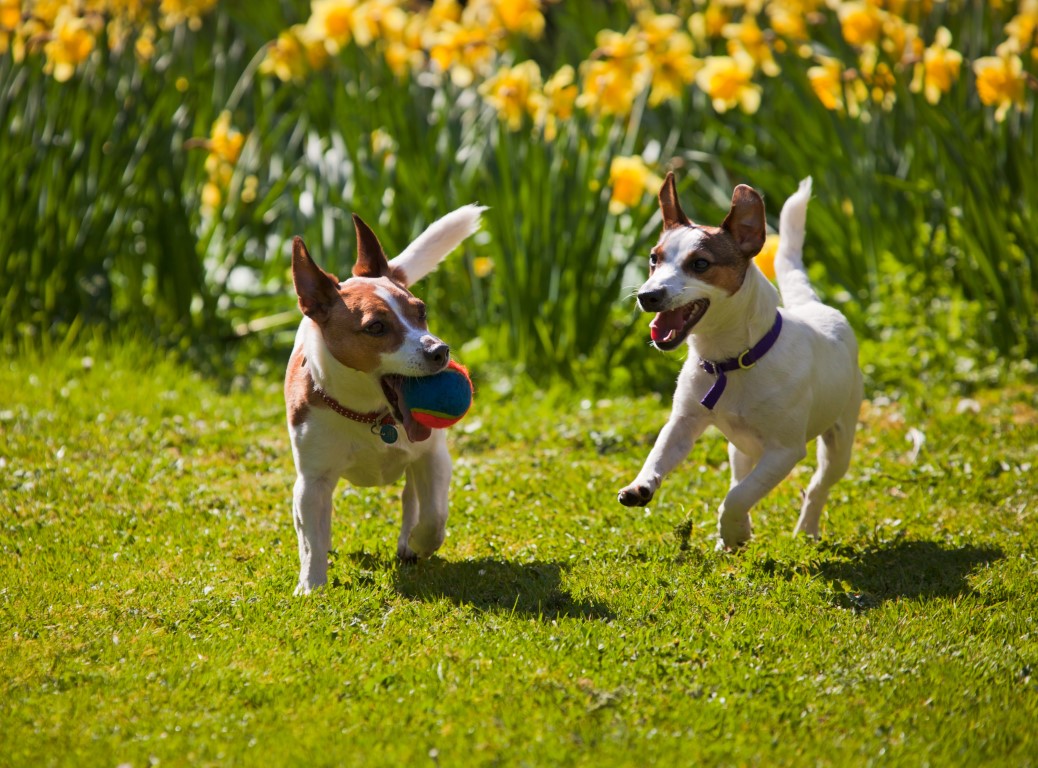
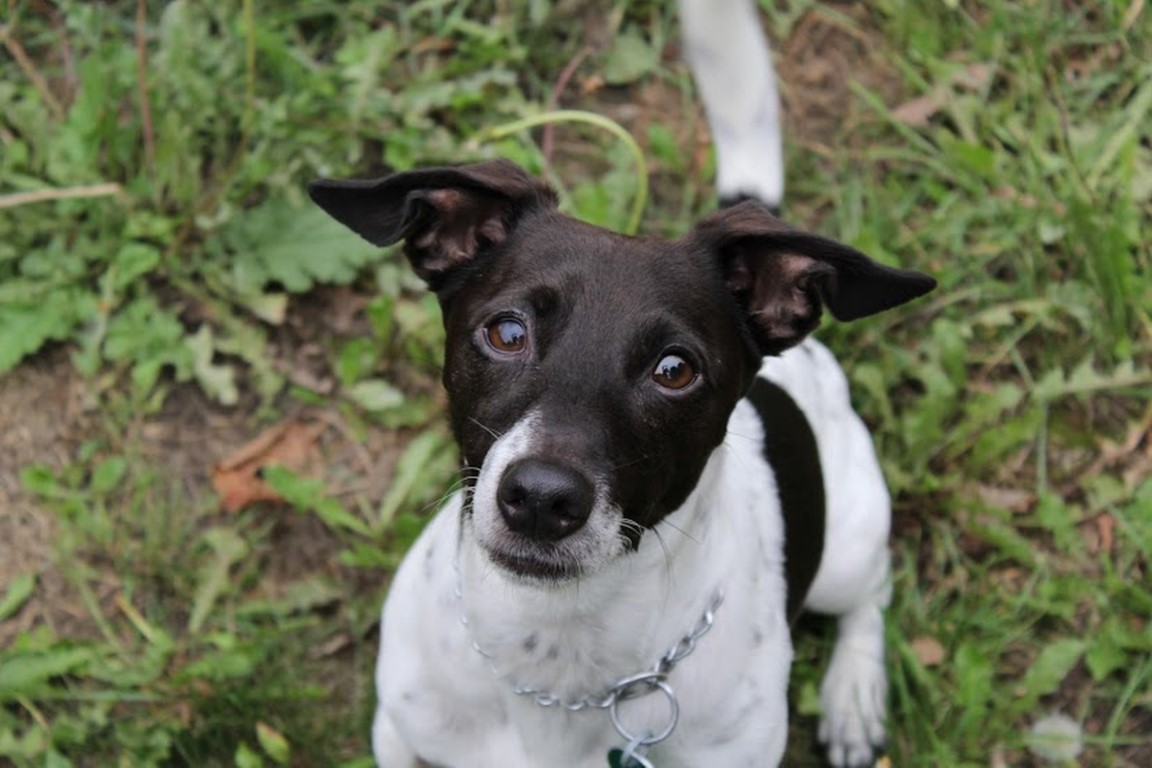
The first thing many people notice is the mostly white coat. White is not an accident or a trend; it helped handlers spot the dog easily and reduced the chance of confusing it with the animal it was pursuing. Color typically appears as patches, most often tan, black, or a mix of both in tricolor patterns, and the JRTCA also allows brown. These patches commonly show up on the head and around the base of the tail, though they can appear on the body as well. You may see a face with one colored ear and one white ear, a mask over one eye, or symmetrical markings, but the key is that white remains the dominant background.
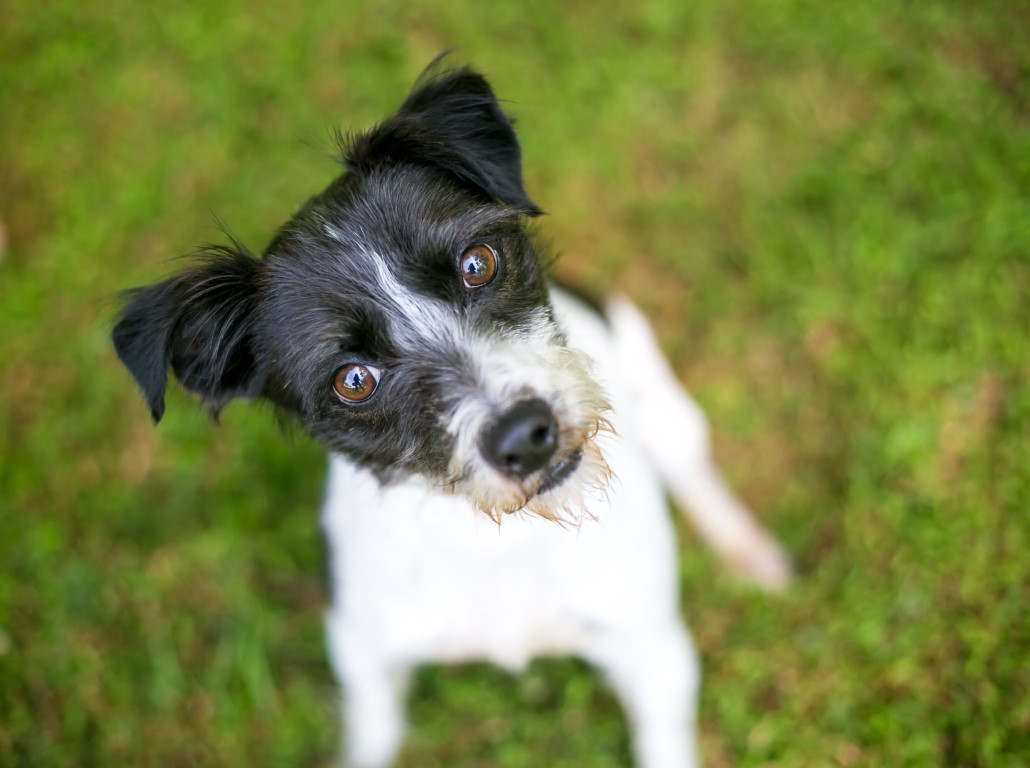
Coat texture is another signature area, and Jack Russells are famous for having three coat types you can identify by sight and touch. The smooth coat lies close to the body and looks sleek, with short hair that shows the dog’s outline clearly. The rough coat is longer and more obviously shaggy, often with facial furnishings like a little beard or eyebrows. Between those two is the broken coat, which is a mix: shorter overall but with longer, harsher patches, especially on the face, legs, or along the back. Broken coats often look slightly tousled, as if the dog has just come in from outdoors, and that in-between texture is a classic tell.
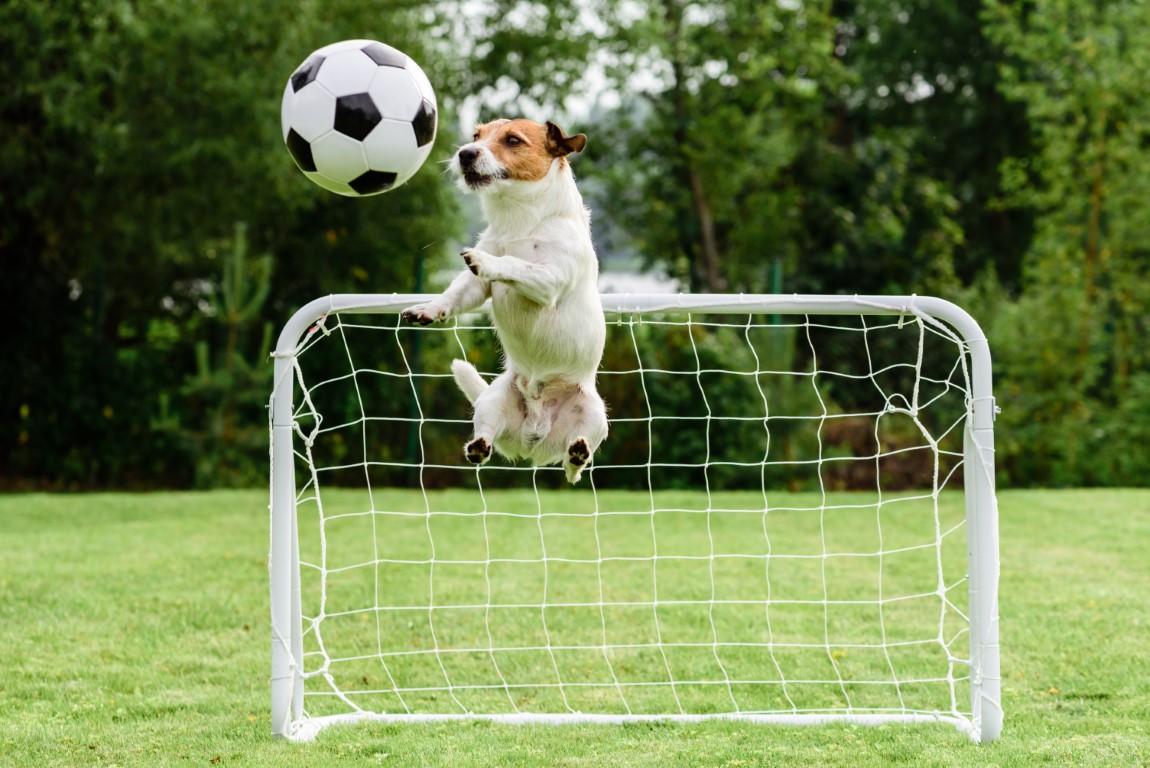
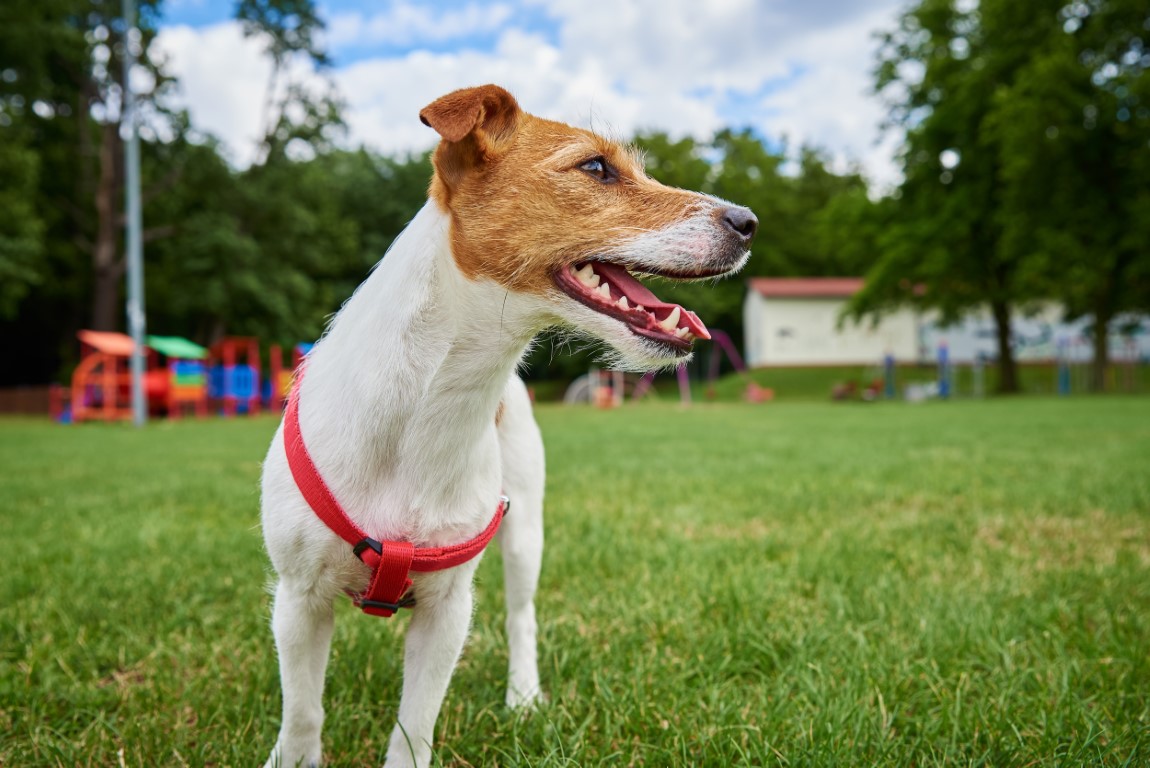
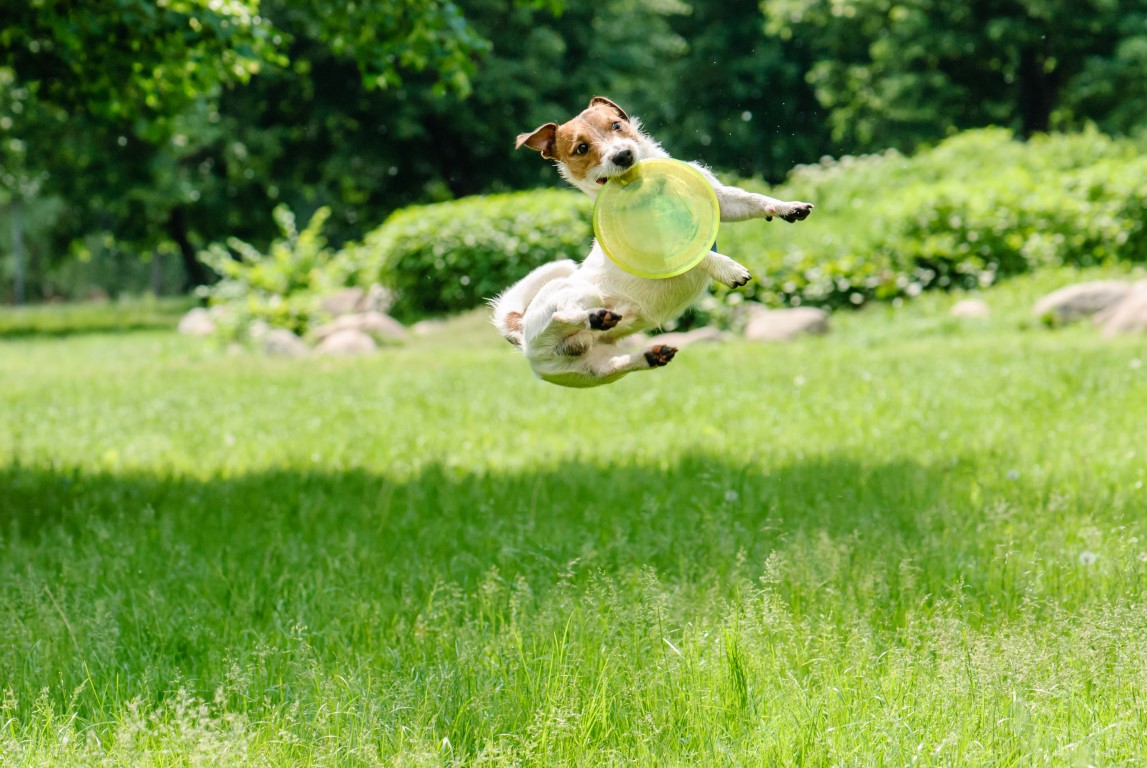
Under the coat, the outline should look compact, balanced, and athletic. A Jack Russell is not meant to be delicate or long-backed like some toy breeds, and it should not look heavy or low like some short-legged terriers. The FCI and Royal Kennel Club standards call for a body slightly longer than tall, while the JRTCA asks for length in proportion to height. No standard wants a barrel-shaped chest. That chest matters for identification: it should look narrow enough that the dog could squeeze into tight spaces, reflecting its working roots. The overall impression is of a dog that can sprint, pivot, and keep going.
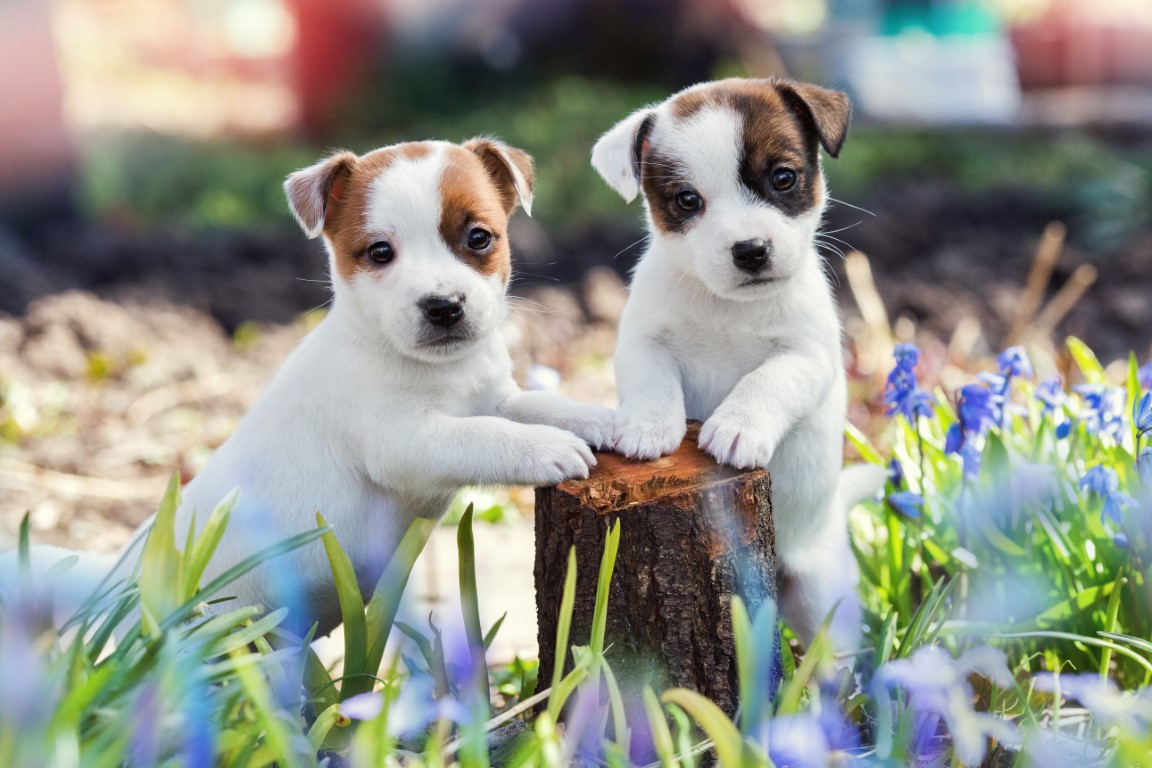
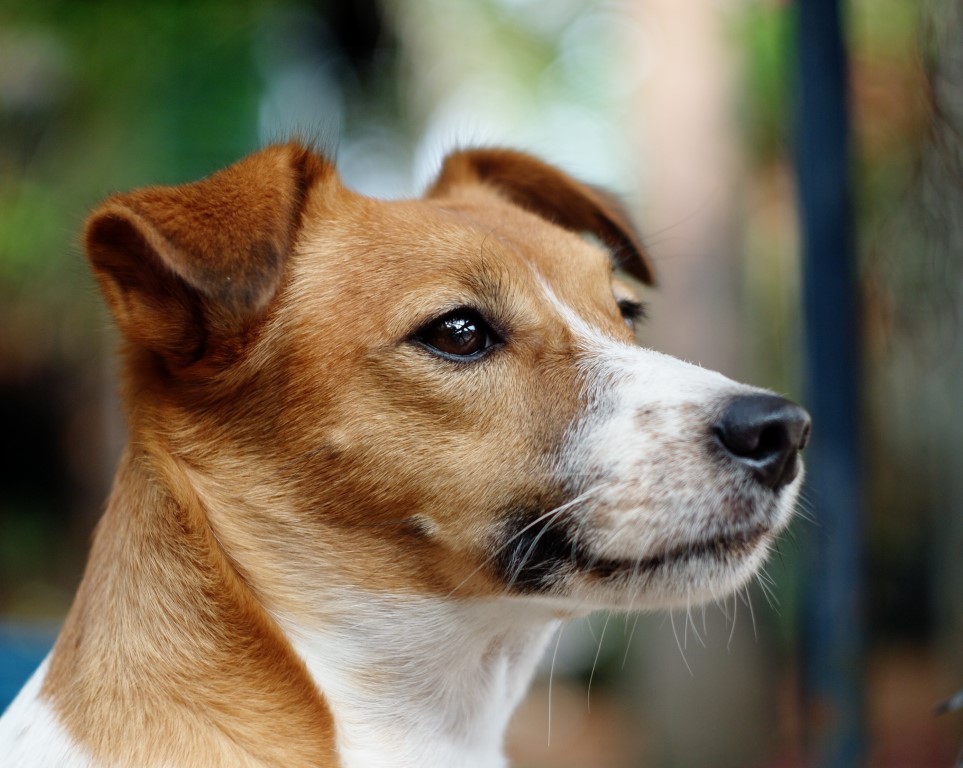
The head gives more clues. The skull is flat and moderately broad, tapering to a strong muzzle. The ears are small and V-shaped, folding forward or to the side rather than standing fully upright. Fully prick ears can occur in other terriers and are a common point of confusion in look-alike quizzes. Eyes are typically dark and alert, giving an intense, ready-for-action expression rather than a soft, rounded toy-dog look.
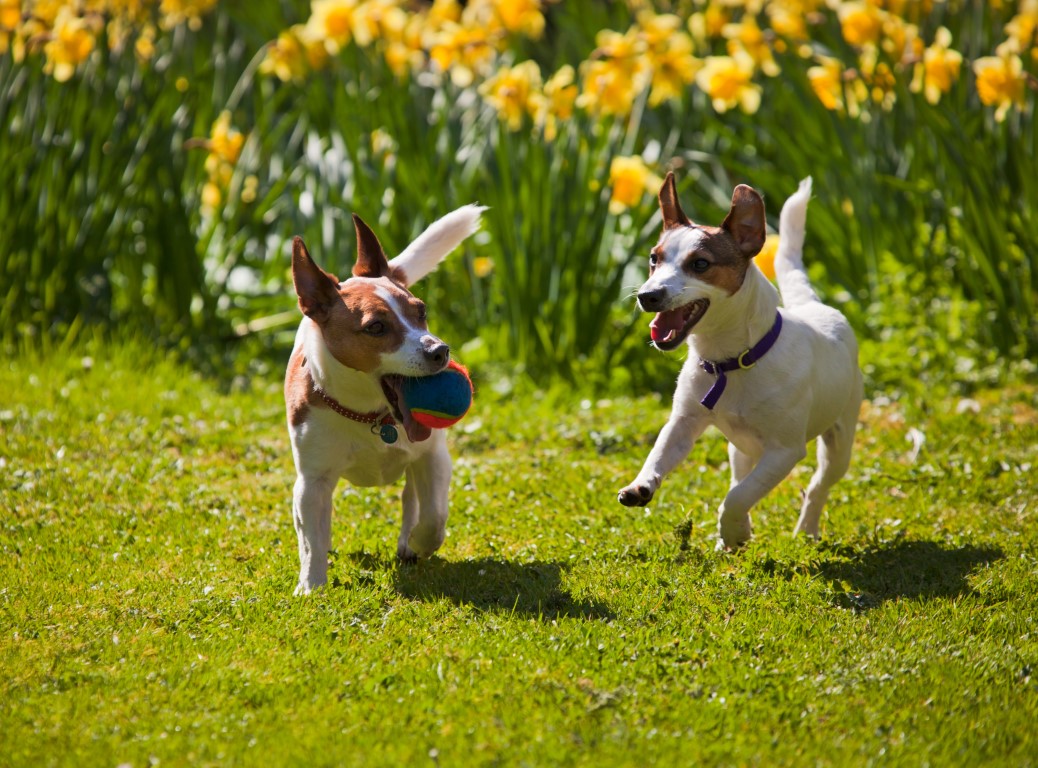
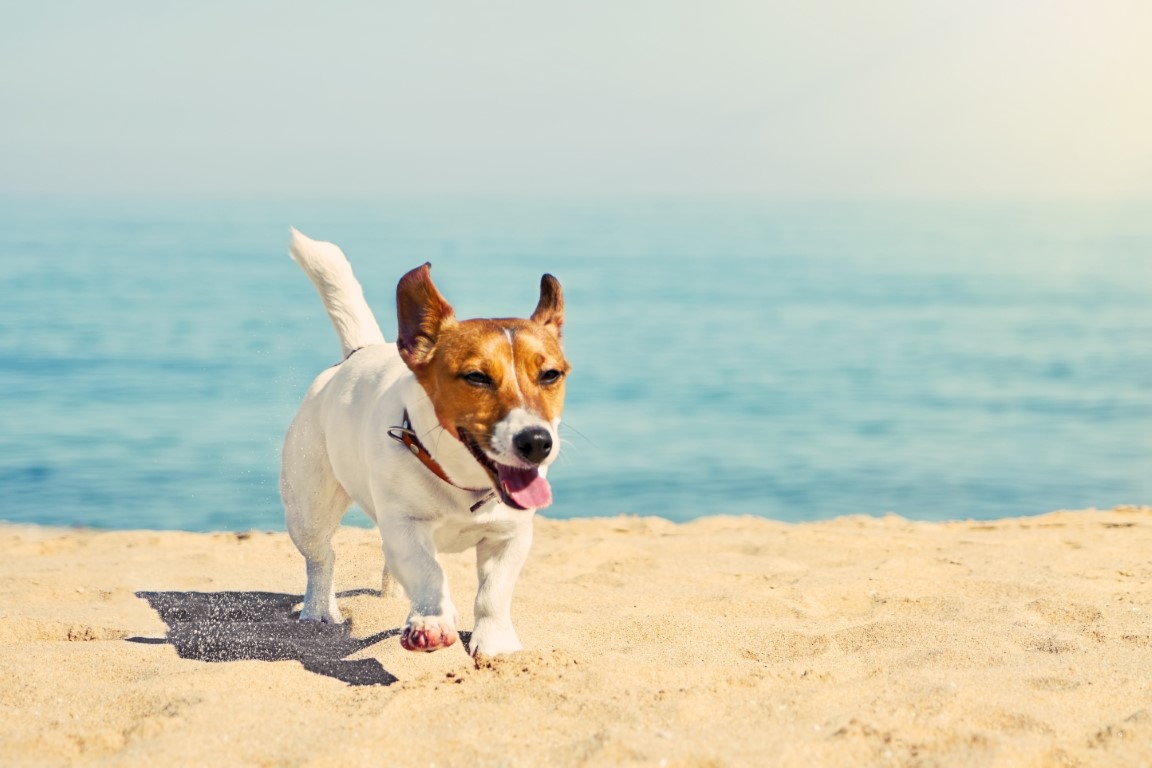
Legs and feet also help with “spot the difference” questions. Jack Russells have straight, sturdy forelegs and compact feet that look built for traction and quick starts. The tail is often carried upright when the dog is active, acting like a little flag, though exact tail appearance can vary by individual and local practices. What stays consistent is the energetic carriage: this is a dog that looks prepared to launch.
When comparing a Jack Russell to similar small terriers, focus on these traits: a predominantly white coat with distinct patches, one of the three coat textures, a tight athletic frame, and ears that fold rather than stand tall. Put together, these details create a look that is immediately recognizable once you know what to watch for, and that makes visual trivia about the breed surprisingly satisfying to master.