Jack Russell: Down the Fox Hole




Quiz Complete!
Jack Russell Terrier Foxwork Instincts: The Little Dog Built for Going to Ground
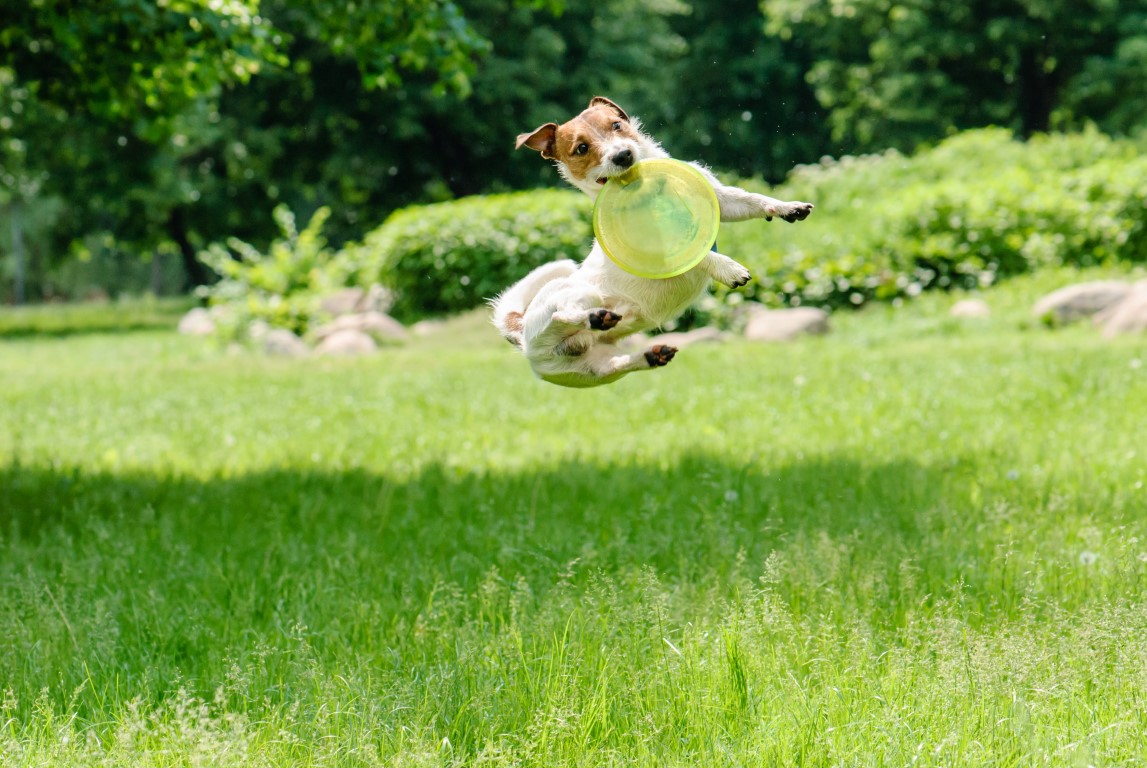
The Jack Russell Terrier did not become energetic by accident. It was shaped for a demanding job in traditional fox hunting, where a small terrier was expected to locate a fox that had gone to ground, enter the den, and force it back out into the open. That work required a very specific mix of body design and mental wiring, and many of the behaviors owners see today make more sense when you picture a terrier working underground instead of lounging on a sofa.
“Going to ground” was not simply running into a hole. A working terrier had to squeeze through narrow tunnels, turn around in tight spaces, and keep moving in darkness while breathing dusty air and navigating loose soil, roots, and rock. This is one reason Jack Russells are compact, athletic, and notably flexible. A dog that is too heavy, too tall, or too stiff could get stuck. The ideal worker could wriggle forward, reverse out if needed, and keep its balance while scrambling through uneven passages.
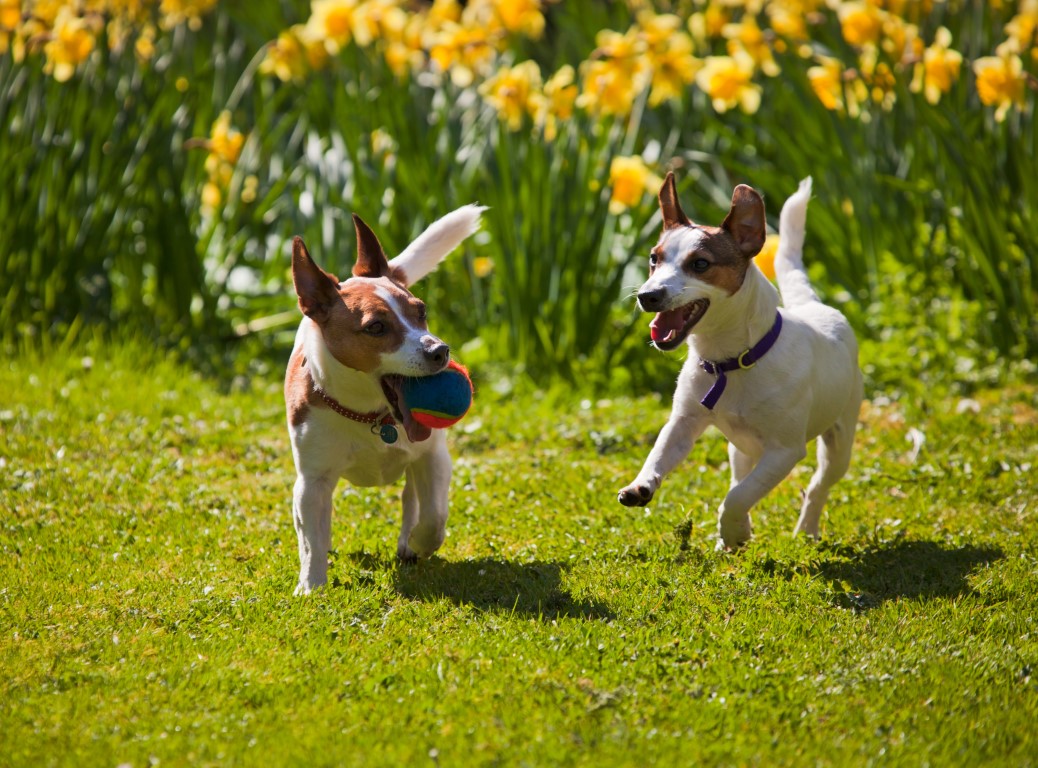
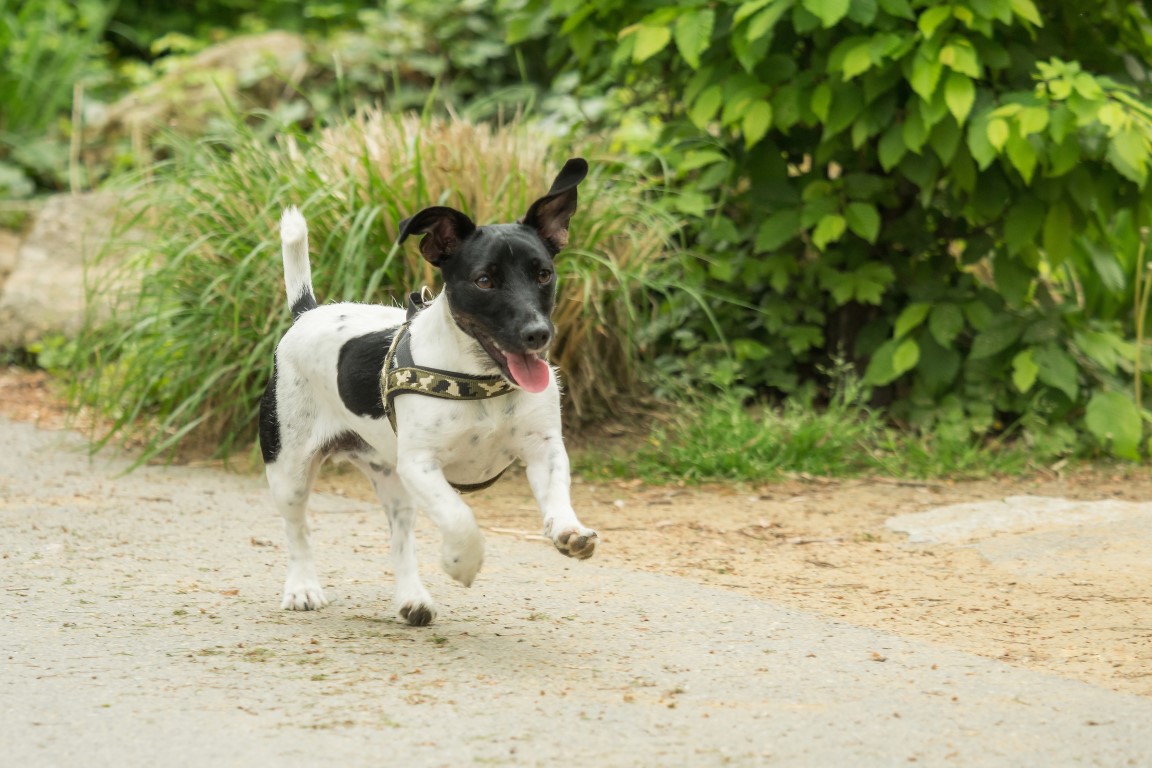
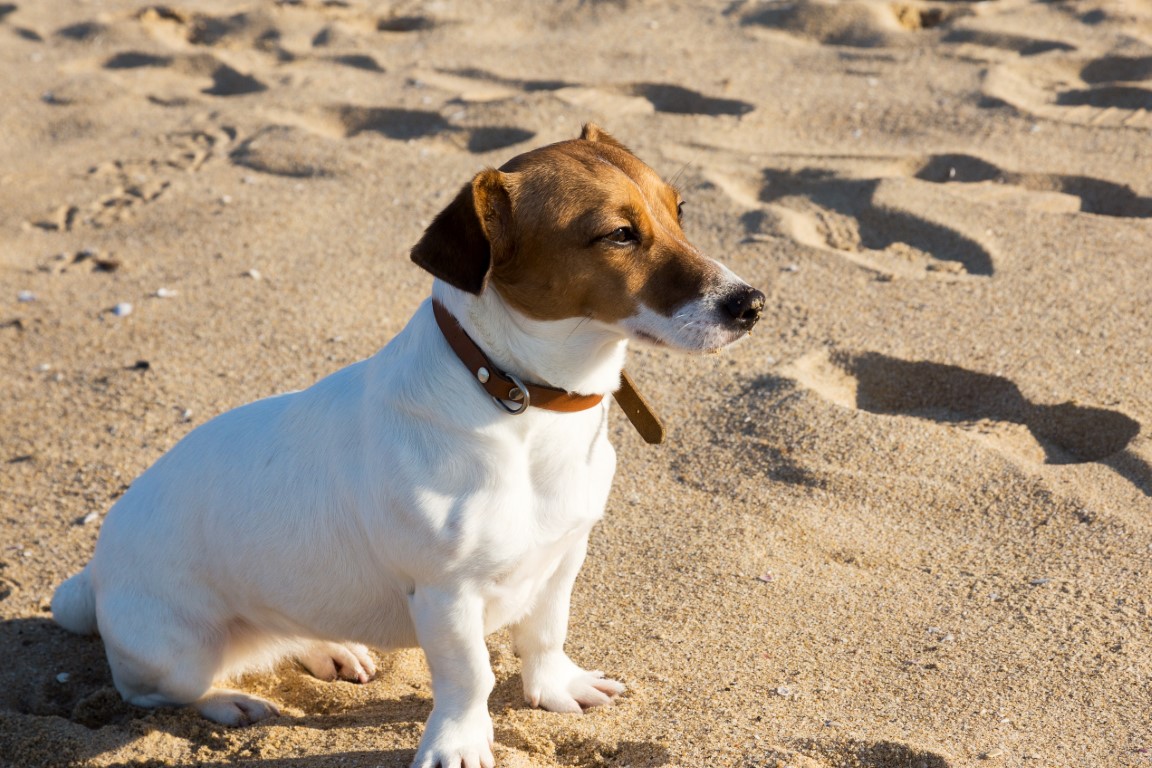
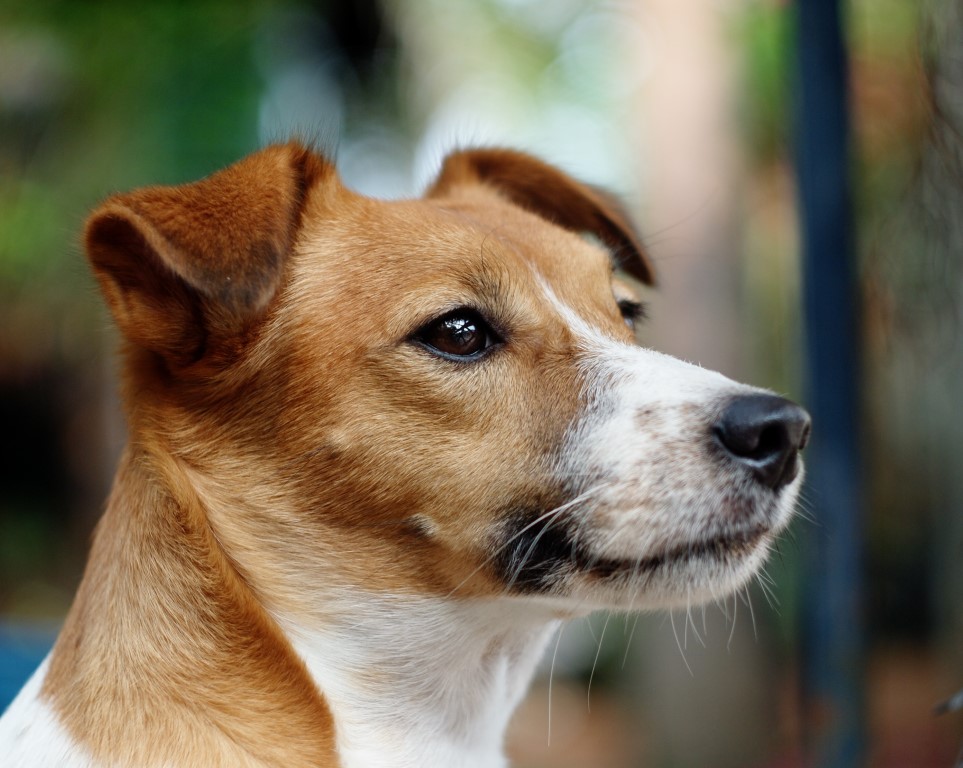
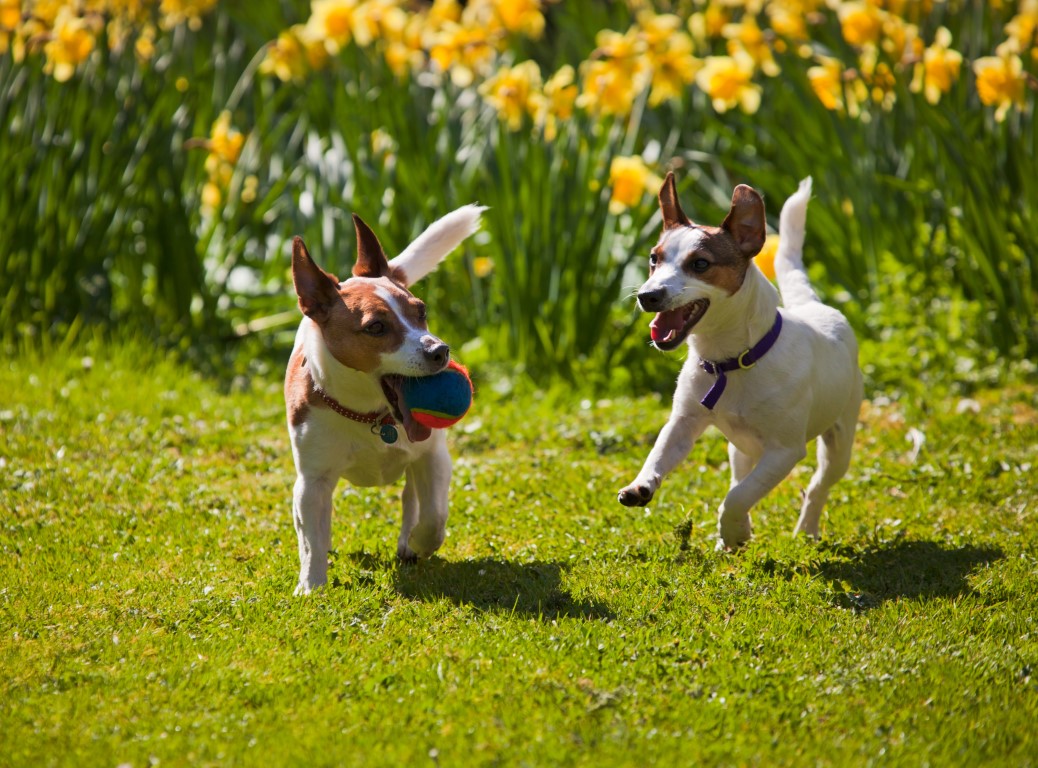
Color also had a practical purpose. Many working strains were predominantly white, often with patches of tan or black. The point was not fashion. In the field, hunters and hounds needed to tell at a glance which animal was the terrier and which was the quarry. A mostly white dog was easier to spot against earth and vegetation, and less likely to be mistaken for a fox in the excitement of a chase. That visibility mattered when a terrier popped out of cover or when handlers needed to grab the dog quickly.
Once underground, the terrier’s job was not necessarily to fight. The goal was to apply pressure: to find the fox, confront it, and make staying in the den uncomfortable enough that the fox chose to bolt. This is where the breed’s famous voice comes in. Persistent barking was a tool. A loud, steady “bay” could help the handler locate the dog’s position from above ground and could also keep the fox moving. Silence might be convenient for a pet owner, but in working terms, a dog that never vocalized could be harder to recover and less effective at driving quarry.
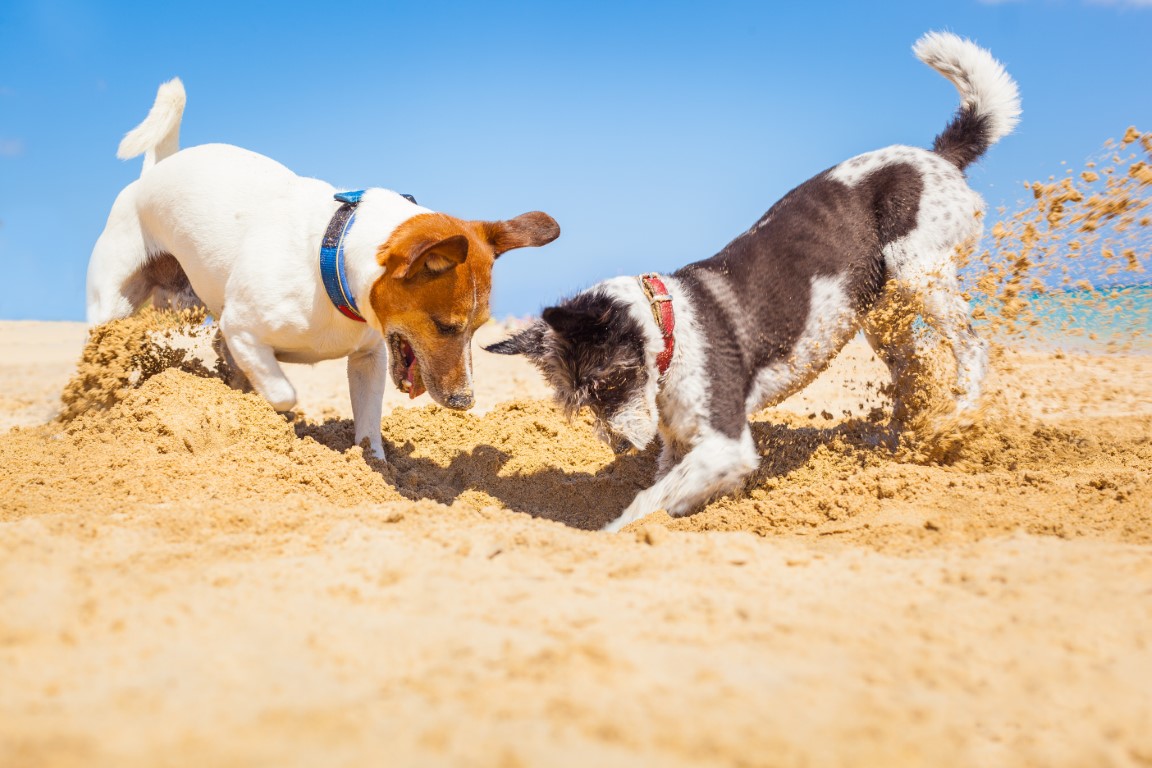
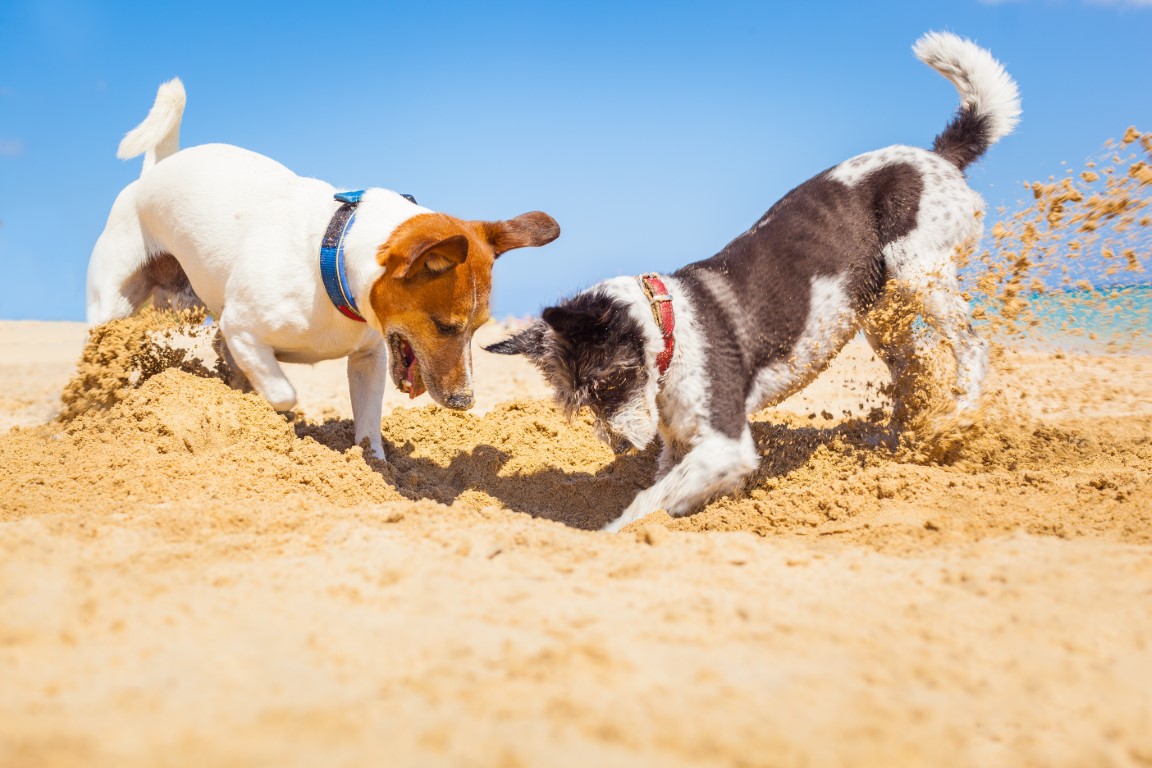
Digging, another modern headache, was also job-related. Dens could collapse, entrances could be blocked, and sometimes the terrier needed to enlarge a tight spot to continue. Strong forequarters, tough nails, and a determined digging style were useful equipment. The same instinct shows up today when a Jack Russell targets flowerbeds, fence lines, or the shady spot under a shed. To the dog, those places feel like promising ground.
Perhaps the most recognizable legacy is prey focus. A good foxing terrier had to ignore distractions and stay locked on task despite noise, cold, and confusion. That persistence is why the breed can seem tireless and why owners so often describe it as unstoppable once it gets going. It also explains why movement triggers them so easily. A rustle in leaves, a squirrel sprinting along a fence, or a ball rolling away can flip the same internal switch that once fueled a long, determined search for quarry.
Even the breed’s boldness makes practical sense. Underground, the dog is out of sight, often out of reach, and expected to make decisions without help. A cautious temperament would fail quickly in that environment. The modern Jack Russell often behaves like a dog three times its size because its work demanded confidence, quick reactions, and a willingness to push forward.
Living with this history means recognizing that many “naughty” habits are actually job skills with nowhere to go. Channeling them into structured games, scent work, controlled digging spots, and training that rewards focus can help. The Jack Russell Terrier is, at heart, a specialist. When you understand the foxwork blueprint behind the breed, the busy mind and busy feet start to look less like chaos and more like a working dog still waiting for an assignment.